The mountain worlds of the Caucasus mark the border between Europe and Asia. The film shows the species and landscape diversity of the lesser Caucasus in Armenia, Georgia and Azerbaijan. Shielded from the main ridge of the Greater Caucasus, a thermophilic flora and fauna has been able to develop there. For the first time, the land bridge between Europe and Persia is portrayed comprehensively: From the mountains of Dagestan to the canyons of the Caspian Basin and to biblical Mount Ararat.

Squirrels are among the most widely known and recognized mammals. In many parts of the world they gladly join us for our lunches in city parks, amaze us with their acrobatics and entertain our children as cartoons on TV. Squirrels live in an extraordinarily diverse range of habitats. Some can fly, some can swim, some live in trees or underground, others love icy wastelands or burning hot deserts. But don’t let their cuteness fool you! They may be small, but squirrels are one of the most successful species on the planet. And they have big families. This blue-chip documentary explores some of the most fascinating squirrel species and shows how they became so successful dealing with extreme environments and curious (human) neighbors. 'Going Nuts' unveils the enchanting world of one of the “most watched” mammals on the planet.

Explore the wetlands of southwestern Germany, where wildlife is returning to the many ponds after suffering from coal mining.

Discover the wonders of the Caucasus, a wild region home to natural riches and rare species, such as the saiga antelope and the short-toothed serpent eagle.


Climate change has reached the indigenous Nenets people in the north of Siberia. The nomads' herds of reindeer move on thin ice. The warming in the Russian Arctic is becoming dramatically visible. Huge craters open in the thawing permafrost and expose dangerous viruses and bacteria. Forest floors dry out and the taiga catches on fire. The pack ice off the coast is melting and depriving polar bears of their habitat so that they approach human settlements in their desperation. The changes in the nature of the Arctic Circle combine with the measurements of researchers and observations of the indigenous people to form a disturbing overall picture: In the Russian Arctic, Pandora's box has been opened! The film team had the chance to shoot in regions that were been restricted areas for decades. The documentary shows in impressive and depressing images already existing effects, phenomena and ominous interlinkages of global warming.

The Pacific Ring of Fire is home to three incredible bears: polar, brown and black. The film tells their story and takes a paw-swipe at a few bear myths.

The fairytale river landscape of the Spreewald, the flocks of birds of the North Frisian Wadden Sea and the striking chalk cliffs on the island of Rügen. You can see unique landscapes and their fauna in the different regions of Germany.

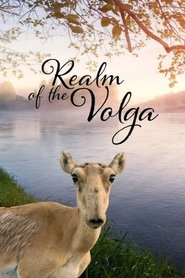
The Volga is a myth, a unique river of superlatives and the natural lifeline of Russia. With a length of more than 3,500 kilometers, it is the most powerful and water-rich river in Europe. Their catchment area is larger than France, Spain and Portugal combined. While all the other great rivers on earth flow into an ocean, the Volga fills its own sea, the largest inland lake on earth, the Caspian Sea. On the way there it flows through rustic forest areas, through wide steppes and dry semi-deserts, each of which is home to a unique wildlife. In three years of filming and on countless expeditions, the Altayfilm team and their Russian colleagues managed to capture the fascinating stream in grandiose pictures and to fully portray it for the first time. Opulent pictures and breathtaking aerial photographs alternate with animal behavior that has rarely been documented before, told with fine humor and a special lightness.