A tv movie discussing some controversial marital topics.

A Kuwaiti comedy play that talks about the period that followed the liberation of Kuwait from the Iraqi invasion. The play cynically dealt with the issue of women entering the political battlefield through Umm Ali (Ansar Al-Sharah) mother, wife and housewife who decides to run in the parliamentary elections and faces many problems and strange situations .

A film about the divorce decision and its impact on the children.

The events revolve around a man who lives an unstable and suspicious life, then it develops and becomes doubtful of everyone around him, causing him great damage to his life and his relationships.

In Game of Fate, we follow Haji Ibrahim, a humble man struggling to build a better life for his family amid the social and economic hardships of 1960s Kuwait. Despite his determination, he finds himself at the mercy of fate, facing unexpected challenges that threaten to derail his dreams. Supported by his resilient wife Amina and caught in complex relationships with those around him, Haji Ibrahim’s journey captures a compelling story of ambition, sacrifice, and the unpredictable twists of life.

A TV Movie about a rich businessman who is told that he will die after several hours of a stroke.

A woman receives marriage proposals from three young men—one rich, one handsome, and one poor who owns nothing but a magical flying carpet. Choosing love over wealth and looks, she marries the poor man and embarks on a journey with him across Iraq, Egypt, Lebanon, and India.

The Play Speaks about the problem the Oil in the beginning of the 90s and the problems State of Kuwait facing during that era.

The story revolves around people who go out in the spring to the desert and hunt pigeons. A person sets off into the desert, and while he is out in the desert, his car breaks down on one of the sand dunes in bad weather conditions, which exposes him to very bad situations, and things get worse when a wolf appears in front of him. The wolf attacks the car and tries to get him.


The events take place in Kuwait in the 1940s before the advent of oil, and the story of a shy love in the conservative society between Mary and Khalifa, and the obstacles they face.

The Kuwaiti short film العاصفة (The Storm) explores Kuwait's social and economic shifts before and after the discovery of oil. Through the perspectives of an older father and his modernized son, it delves into the challenges of tradition versus rapid modernization.

A poor couple wants to buy a pearl necklace with their own money.

The events revolve around a reckless young man who neglects his wife and son without indifference, while his father tries to urge him to take responsibility in his home and work, and treat his wife and son in the right way.

The events revolve around Atwa, who is mentally ill, and his miserly uncle refuses to help him and treat him, so Atwa's brother seeks to support him in his problem.

Aisha decides to take leave from the burdens of the house, and when her husband (Abu Bassam) refuses, she leaves the house. Then he and his son (Bassam) and his daughter (Mona) are forced to do all the homework, but they find it very difficult in it and miss the presence of their mother (Aisha).

A child runs away after her mother treats her badly.

The events revolve around a man who is reckeless and neglects his family and work, and then his conditions change for the worse because of the influence of bad friends on him.

The events of the play revolve around the housing crisis and the problems that citizens are going through to obtain housing, and the state of some government houses that are distributed to citizens after a period.

Horror television movie from Kuwait.

Brothers Mana' and Duwas make a living as street vendors, always finding clever ways to earn extra money. Tensions flare when Duwas breaks Mana’s rule to wait until their sister Fatoun marries before he does, secretly tying the knot with Lulwa and setting off a series of comedic events.

A controlling mother who spies on her children and their spouses by installing cameras in their rooms is caught in a web of problems when one of her daughters-in-law finds out.

The role of events in the seventies of the last century, when Kuwait was an example of human and material development and progress. The series deals with several social and humanitarian issues, such as social class, materialism, love of control and equality between men and women, through three families that struggle directly and indirectly among themselves.

When a thief steals Omaima's car, he finds her child inside and he takes her with him. Omaima's life begins to collapse, as she believes that she has lost her daughter, which makes her devotes her life to supporting the orphans' rights in various care homes.

In the framework of the social drama, the events of the series revolve around Noura, who sacrifices for her brother Faisal, and enters prison instead of him in a drug case, and when she serves the punishment and comes out, she is surprised by Faisal's repudiation of her, threatening to expose his matter if he does not compensate her the years of imprisonment.

Umm Jassim takes care of her children and her business after her husband's death. Sultan competes with her in the market, and he agrees with his assistant to spy on her for his own benefit and take revenge on her. However, Sultan eventually gets what he deserves for what he does.

Everyone in Hamad’s family has his own affairs: Taiba is a domineering wife who takes on the responsibilities of the house, Salem continues his studies abroad, Bashayer tries to work after graduation in the field of journalism, Nasser plays football without interest in studying, and Tahani wants to marry because she does not want to continue her studies.

A traditional comedy series, which deals with the memoirs of Juha and his son, the poet Ajib, their adventures in trade, and their passage in funny situations that expose them to embarrassment, their determination and their efforts to earn the sustenance of their day and to satisfy Juha's wife, the greedy.

The events of the series revolve in a comic framework about (Moza) and (Thnayan), the heads of a family, which includes 5 children, who together try to constantly reunite the family through the weekly meeting of the grandparents with their children and grandchildren in (Zuwara), shedding light on the problems that afflict family relations, which It can cause disconnection or strife if not handled wisely.

A Kuwaiti series that takes place in a comedy setting, about the miser (Abu Saleh), his wife (Fatima), his daughter (Hayla), and his son (Saleh), arising between the mother of Fatima's mother and her husband Saleh many problems because of his sadness. While Hamdan lives with his sister Al-Ansabya, who is looking to marry anyone.

In this Kuwaiti comedy series, Ghafel embarks on multiple marriages arranged through a computer, thanks to his cousin, who owns an online matchmaking company. However, each marriage ends in failure, prompting him to continuously search for a new wife.

The events revolve around the disobedience of the parents through the family of Jassim Al-Kharaz and his children, who hinder their parents and care only about their own interests.

Bu Nasser has everything from money and a name and he lacks nothing but the presence of a male son who bears his name, and because of the mockery of some of his competitors by trading him because he is "the father of the girls" and does not have a male son, his friends advise him to marry a second so that the boy has a son, so he decides to look for another wife with the help of Bu Duaij Al-Tajer.

Mansour marries Hayat, and he thinks that he will live a simple, decent life with her, but he is surprised by her mother’s interference in all their affairs, and debts control him, and every time he tries to overcome his problems, he falls into another problem.

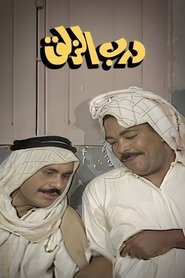
"Darb Al-Zalaq" is a classic Kuwaiti TV series that offers a window into Gulf Arab culture through the comedic and often poignant tale of two brothers, Hussein and Saad. Driven by their desire for quick wealth, they embark on a series of ill-fated business ventures, only to find themselves repeatedly caught in the traps of their own making. Set against the backdrop of a rapidly changing society, the series explores themes of greed, family ties, and the unpredictable twists of fate that are central to Arab storytelling. Through humor and satire, "Darb Al-Zalaq" reflects the challenges of balancing tradition and modernity in the Gulf, making it a cultural touchstone that resonates with audiences across generations.

The series takes place in a form of humor and comedy about the two brothers who are looking for jobs, but have difficulty finding jobs.

Salha is divorced from her cousin Abdul Rahman. Despite their divorce, he lives with her in the same government house and has another wife. As Salha owns half of the house, he cannot sell it without her consent. Many funny situations occur between them because of her jealousy of her ex-husband’s wife.

The series takes place in the fifties of the last century, where Abdul Wahab falls into several comedic paradoxes because of his limited intelligence, which causes many problems for his father, while he seeks to marry his girlfriend (Hida)

Abu Radh, a crafty and opportunistic mailman, projects an image of poverty to those around him. In reality, he's a silent partner in multiple lucrative ventures that have made him incredibly wealthy. As he juggles his secret fortune with his humble facade, the question remains: can he keep his hidden wealth under wraps, or will the truth eventually catch up to him?

The Kuwaiti comedy series حاور زاور, produced in 1972, features a series of humorous and socially reflective scenarios centered around everyday challenges and misunderstandings in Kuwaiti society. Each episode presents a standalone comedic plot that draws on interactions among neighbors, friends, and family, using humor to highlight social issues and relationship creating an engaging viewing experience that resonated with audiences of the time.