The 2022 (Reiwa 4) edition of NHK's New Year's Eve TV special Kōhaku Uta Gassen

Japanese swords fascinate collectors around the world. A special kind of steel called tamahagane is required to make them. This miraculous material is strong, flexible, rust-resistant, and produced through the ancient process of "tatara" ironmaking which takes place over three days and nights. Due to the COVID pandemic, there was only one production run in 2022, which was hit by a series of problems. Did the team meet the challenge? This documentary captures the essence of Japanese craftsmanship.

With only a photograph and a name, a group of passionate puzzle players have been trying without success to answer the question: "Who is this man?" Finding Satoshi is a playful documentary that finally solves the 14 year mystery.

When a Japan-based American journalist discovers that a World War II B-29 engine was unearthed from a sacred mountain he embarks on a quest to uncover the fate of the US airmen.

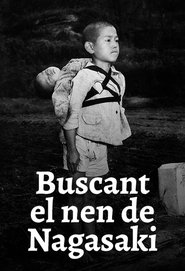
October 1945. A young Japanese boy in the devastated city of Nagasaki, two months after the atomic bomb, carries on his back the lifeless body of his younger brother. An American military photographer, Joe O'Donnell, took a picture of the boy standing stoically near a cremation pit. No one knows the subject's name, but the photo has become an iconic image of the human tragedy of nuclear war. This documentary follows the continuing efforts to deepen understanding of the photograph, while exploring the fate of thousands of atomic-bomb orphans and their struggles to survive the aftermath of World War II.

The story of the March 2011 Great East Japan Earthquake and tsunami as told through news footage and eyewitness video footage.

Japan's Imperial system is said to have over 2,000 years of history. A closer look at the history reveals how the Imperial institution has shifted with the times, and with the people. At a time when there are only three heirs to the throne, a look is taken at what this could mean for the people of Japan and their Imperial system.

A decade on from its triple core meltdown, we take stock of the mammoth task of decommissioning the Fukushima Daiichi Nuclear Power Plant, an undertaking fraught with both technical and social challenges. The Japanese government maintains the process will take up to 40 years, but the schedule has already been revised 5 times, with pivotal elements postponed. Meanwhile, as people return to their homes in surrounding areas, disposal of unprecedented volumes of radioactive waste has become a point of contention between residents and the government. We look back on the 10 years since the nuclear disaster and explore the choices that will shape Fukushima's future.

The global hit manga series Detective Conan, also known as Case Closed, has reached thirty years in 2024. NHK is allowed rare access into the world of its creator Aoyama Gosho. The program reveals the never-before-told account of how Conan came to be, how Aoyama wore himself dangerously close to the edge, and the story he really wanted to tell.

Japanese gardens have long captivated people around the world. This program follows the master gardeners chasing perfection at the Adachi Museum of Art and the Katsura Imperial Villa.

We explore the vast rail network that crisscrosses the Tokyo metropolis. With 148 train lines carrying some 40 million passengers daily, Tokyo hosts the world's largest and most interconnected urban rail network. Actor Sato Takeru takes on a riddle-solving mission tied directly to the train schedule, putting the railways' famed dedication to punctuality to the test in the process. We uncover a fascinating history and meet the people whose tireless dedication keeps the whole intricate operation running like clockwork.

In this program, renowned Japanese chefs visit European wineries participating in FOODEX WINE, then showcase original dishes paired with exquisite wines.
Shiba Inu dogs have quite the personality and are now more popular than ever. Discover their unique traits by watching personal episodes with their owners and "digging" the latest scientific findings.

In 1945, US forces dropped an atomic bomb on Nagasaki. Last year, photos and a map of the aftermath were found, detailing the bomb's destructive mechanism. They showed how the Mach stem - a shock wave that hyper-intensified the power of the initial blast - was responsible for destroying buildings with increasing force 500 meters from ground zero. Through a simulation of the blast and interviews with survivors, this program reveals how the bomb was exploded to maximize its catastrophic effect.
Takano Hospital is located in a town only 22 kilometers away from the Fukushima Daiichi Nuclear Power Plant. The 81-year-old hospital director, Dr. Hideo Takano, has continued to provide medical care during difficult times as an active physician. The program follows Dr. Takano over a period of 2,000 days as he struggles on alone.

Kabuki is a world-class theater with a history of over 400 years, but is also exciting entertainment. What is the secret of its enduring attraction? Haruka Christine, Nakamura Kazutaro, and Ichikawa Somegoro guide us through the world of kabuki.

An unusual documentary series that delves into human dramas through chance encounters with ordinary people at selected spots. Filmed over 72 hours in a single location, the show captures glimpses into people's lives as they open up and share their stories. Japanese Broadcast Version

Three days in the life of...Stay in one location for 72 hours, catching glimpses into people's lives as they open up and share. NHK World English Broadcast Version

Traditional techniques and resourceful recipes! Chefs Saito and Rika, present their unique approaches to cooking delicious Japanese food.

Come ride with us! Bicycle through the scenery of Japan, stay with locals and discover hidden traditions in a Japan you didn't know existed.

The meaning of professional. Meet exceptional people who are breaking new ground and making a difference in their area of expertise.

Chatroom Japan is a platform for NHK WORLD-JAPAN to engage with international residents in Japan. The public broadcaster aims to develop a new relationship with these viewers and, together, explore ways to make their lives better.

What is good design? And what is its power? From traditional to cutting edge, we explore Japanese designs that are literally shaping our lives.
In recent years, major projects for promoting the "Cool Japan" concept have been launched, increasing its global recognition. However, further promotion for promising Japanese artists and artisans fusing traditional and modern culture is on call. The program aims to discover and set the stage for powerful but yet to be known people.

Magazine style intellectual aesthetic voyage, exploring art and philosophy in Japanese designs from antiques to high-techs, commodities and fashions.

Here is the high-resolution movie by Koichi Hozan, a videographer living in Nara Prefecture, with exclusive pieces which a pianist, Mine Kawakami, played on the "Hyakunen (100-year-old) Piano." The light and sound create a poetic video to make you experience each season.

Traditional festivals called matsuri are found all over Japan. In this series, we present diverse matsuri and the preparations leading up to them. Each matsuri presents a new face of local Japan.

This travel show aimed at overseas visitors offers info on where to go, what to see, and how to experience Japan, like an expert.

In 2016, a famous French restaurant in Tokyo closed its doors. The chef Otsuka Kenichi and his wife Keiko fell in love with the rich local foods in Hokkaido and relocated to Furano city. They collaborate with local producers to make attractive dishes that you could have nowhere else. Unique dishes with local ingredients, such as freshly harvested asparagus and corns, oysters and scallops, also melons and haskaps. Beautiful 4K footage captures the nature of Hokkaido and the colorful cuisine.

Where broken beauty is reborn. How legendary art restorer Koji Mayuyama is preserving ancient treasures, one divine touch at a time.

What can artists do in time of war? This series conveys messages from Japanese artists in various fields in relation to the Russian invasion of Ukraine.

Each episode of this documentary series focuses on a different place of interest. One hundred cameras are installed and left to record, showcasing the habits and behavior of the people they capture. Without the presence of a camera crew, the subjects gradually begin to share glimpses into their lives, and we receive an unobstructed window into personal conversations and real-life events.