There are few places on earth that have such a diverse variety of terrain and range of climates concentrated in a relatively small area - temperate coastline, scorching arid deserts and tundra, tropical rainforests and frozen snowcapped mountains. And there are few places that are as heavily exploited by humans, yet remain a wilderness.

This film, three years in the making, The remote forests of Kalkalpen National Park in Austria, the largest area of wilderness in the European Alps, have been left untouched by humans for nearly a quarter of a century in order to return to their natural, primeval state. The landscape regenerates itself in dramatic cycles of growth and decay, and this bold hands-off method of conservation yields salient results: the lynx, absent from the area for 115 years, has returned.

The Tale of 1001 waterfalls takes place day and night right in the heart of Croatia. For here lying hidden among rough karst mountains is a “Natural Wonder World” – the Plitvice Lakes, one of the oldest Nationalparks in Europe. The Plitvice Lakes are embedded in a grandiose karst region. The film follows the course of the water taking it’s wondrous paths through the limestone. Rain and snow seep through the porous layers, cavities and caves to disappear from the surface but once in the depths these small water veins collect to mighty torrents.

The River Danube is home to a fish that grows larger than the Great White Shark. Although it leads a secretive life, the Beluga Sturgeon – the King of the Danube – produces the most prized food in the whole world. For over 200 million years, the 8-metre long fish had no enemies, and yet today it is on the verge of extinction. Evolution did not prepare the fish for pollution, river regulation and overfishing. Beluga caviar is traded for up to 20,000 dollars per kilogramme. Ironically, the high price of this precious product could save the animals from a premature disappearance from planet earth.

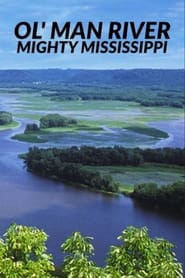
Travel from the steamy delta beyond New Orleans, upstream to headwaters in great northern swamps, and along the Mississippi's greatest tributary, the Missouri. The crew encounter a wealth of wildlife, from tropical manatees to ancient horseshoe crabs, primitive giant fish, colorful herons, industrious beavers, deadly rattlesnakes, herds of buffalo, and prairie dog colonies. Dramatic reconstructions illustrate what the river was like when the first explorers encountered it, meeting Indian tribes and witnessing new wildlife spectacles.

This comprehensive cinematic portrait of Europe's second-longest river presents scenes of breathtaking beauty along the banks of the Danube and investigates the tension between humans and nature, civilization and wilderness. Dams and power stations alternate with sections of natural wilderness along this mighty river, which flows through great cities such as Vienna and Budapest.