Vita, a young and beautiful African woman learns that finding love and happiness need not come at the sacrifice of one's identity.

During the production of his album “Sobre Crianças, Quadris, Pesadelos e Lições de Casa”, rapper and activist Emicida visited several communities to create an overview of the reality of young people who live outside the standards of the upper classes.

A book is buried under a mango tree in a backyard in Cape Verde, initiating a journey to reconstruct a fictional, geographic, emotional, and identitary cartography of loss, based on the five stages of grief.

A Cape Verdean woman navigates her way through Lisbon, following the scanty physical traces her deceased husband left behind and discovering his secret, illicit life.

On a remote volcanic island that everybody wants to leave, little Nana learns to stay. Her mother, Nia, went into exile right after she was born and Nana grows up in the family of her father. One day, the family learns that Nia is ill. Nana begins to develop high fevers and is sent to the foot of a volcano for treatment. There she encounters a world steeped in magical realism, between dreams and reality. Later, when Nana is a teenager, her mother Nia finally returns to the island.

Documentary about Cape Verde and the island of Fogo produced by the revolutionary government of the new country. A culture learning to live without tutelage.

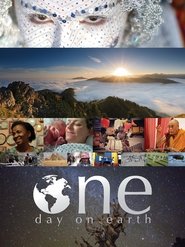
Recording a 24-hour period throughout every country in the world, we explore a greater diversity of perspectives than ever seen before on screen. We follow characters and events that evolve throughout the day, interspersed with expansive global montages that explore the progression of life from birth, to death, to birth again. In the end, despite unprecedented challenges and tragedies throughout the world, we are reminded that every day we are alive there is hope and a choice to see a better future together. Founded in 2008, it set out to explore our planet's identity and challenges in an attempt to answer the question: Who are we?

Pedro Costa's segment from "O Estado do Mundo".

Young Gabriel worries about forgetting his late father’s face; Isabel, a single mother, frets about her son and how she will make ends meet; Firmino questions his sense of belonging after losing his garden which he considered his portal to Cape Verde. The lives of Gabriel, Isabel and Firmino intertwine in Nuno Boaventura Miranda’s The Last Harvest. Miranda offers an intergenerational portrait of a Cape Verdean community and diaspora living in Lisbon as they grapple with questions of identity and a shared longing for connection.

A poetic and subtle journey immersed in the director's memories of her grandfather, and in the cycles of life.

Orlando Pantera (1967-2001) was a gifted Cape Verdean musician who died at 33 before releasing his solo album. This film revives his legacy through innovative sound and archival material from his daughter. It features contemporary interpretations by artists like Mayra Andrade and Princezito, highlighting his lasting influence on musicians today.
In Praia, Tempu, an introverted undertaker, mourns the death of his father while facing family pressure to sell their country home and leave Cabo Verde. His life intersects with Mónica, a Cabo Verdean singer and emigrant, who is visiting on the occasion of her estranged father's burial. After the two meet during the tense family gathering that follows the ceremony, unexpected intimacy ensues. Tempu invites Mónica on a trip to enjoy Passover festivities and to visit his mother before he leaves. Their journey takes them through the island’s countryside, highlighting Mónica’s feelings of alienation. A heated argument erupts forcing them to confront their emotions. As Mónica learns painful family secrets, Tempu reveals his tragic past and his mother’s suicide that was of his father’s doing. Departing from Cabo Verde, Tempu makes peace and leaves after a tender farewell with Mónica, who, a year later, sings in nostalgia.

Poet, agricultural engineer and revolutionary Amílcar Cabral was born in Guinea-Bissau to Cape Verdean parents. After studying in Portugal, he emerged as the charismatic leader of the anti-colonial struggle against Portuguese rule. With his utopian ideas, he sparked a cultural and an armed uprising that went on to inspire other African liberation movements.

Quirino, 77, has lived for more than 30 years in an abandoned village, at the bottom of a deep valley, between the sea and the mountains. Feeling the effects of old age, Quirino faces the dilemma of having to leave the only place he has ever known or end his days there.

Mindelo is the cultural capital of Cape Verde. Over the years, generations of writers, painters, singers and intellectuals have been the ultimate expression of Cape Verdean art and thought. Fragments of the lives of its inhabitants reveal the strength of its history, the beauty of its creativity and, above all, its resistance to the scourges of life in Mindelo, a meeting place for different nationalities.

Tchinda is one of most beloved women in Cape Verde, especially after she came out as a transgender person in the local newspaper in 1998. Since then, her name has become the term used by locals to name queer Cape Verdeans.

From a forgotten photo of a group of clandestine Cape-Verdean guerrillas in the mountains of Cuba, Elson, a young filmmaker, searches for the silenced heroes of this daring and little-known military operation, whose main objective was to fulfill Amílcar Cabral’s dream of liberating the country from the clutches of colonialism. In a back-and-forth between the past and the present, the film establishes a conversation with the heroes of the country’s Independence. With them, it travels through the years of struggle in Guinea and post-independence Cape Verde, reflecting on dreams, nightmares, and what the country is today, between utopia and oblivion.

With a dance performance, a mother and daughter point out the destruction of the environment. They tell how they survive selling beach sand, knowing that it has a negative impact on nature, their health and the economy.

The story of a father and his son, with Tabanka as a backdrop.

When Malagasy soldiers came back from WWII, they expected De Gaulle to give them independence for fighting along with France against Nazis. Instead, they were asked to return to their indigenous status. They soon became the leaders of an uprising, harshly repressed by the French colonial authorities. The last witnesses tell us about their long months of resistance.