
Trailers & Videos
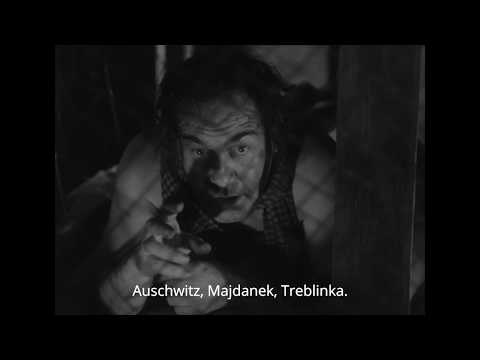
Teaser
Cast
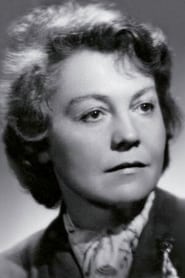
Blanka Waleská
Hana Kaufmannová
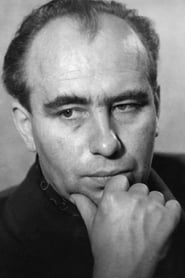
Otomar Krejča
Antonín Bureš
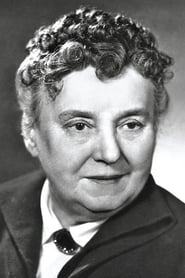
Zdeňka Baldová
Hedvika Kaufmannová
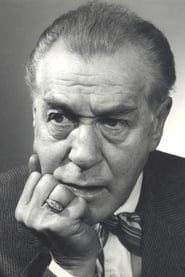
Eduard Kohout
Reiter
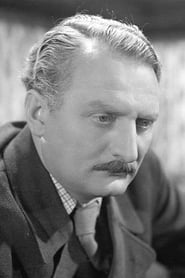
Jiří Plachý
Abrahamovič
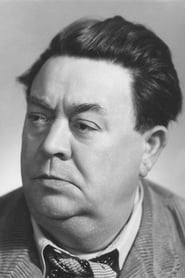
Saša Rašilov
Mošeles

Soňa Danielová
Ellen

František Vnouček
Fried
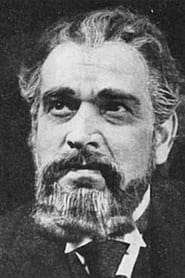
Jaroslav Seník
Beer

Rudolf Deyl
Jarda Noha

Jan S. Kolár
Müller
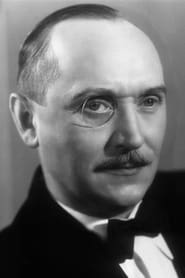
František Kreuzmann
Šantrůček
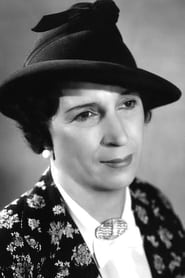
Milka Balek-Brodská
Bindlerová (uncredited)
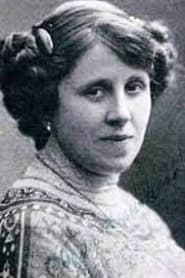
Otýlie Beníšková
Theresienstadt Old Woman (uncredited)

Bohumil Bezouška
Theresienstadt Young Man (uncredited)

Marie Burešová
Theresienstadt Stairs Woman (uncredited)

Karel Effa
Gas Chamber Builder (uncredited)
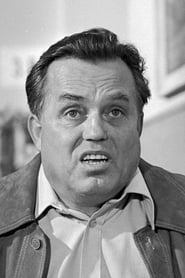
Antonín Jedlička
Theresienstadt Man (uncredited)

Marie Kautská
Naked Theresienstadt Girl (uncredited)
Věra Koktová
Theresienstadt Woman (uncredited)
More Like This






Reviews
CinemaSerf
Perhaps what adds extra impact to this story of the “Kaufmann” family is the fact that it was made in Czechoslovakia a mere four years after the war had ended. The actors and crew here would still have the true memories of the Nazi invasion, occupation and news of the Holocaust fresh in their minds when they embarked on this depiction of the tragic story of a family torn asunder because of their traditions and faith. What makes this harder to watch is that as the fear and panic sets in, the family begins to fracture and to an extent implode as, all the while, we are presented with actuality of a goose-stepping High Command that looks as unassailable as it does brutal. The story unfolds via a few different threads. As Naziism gains momentum and it’s propaganda takes control of the message, it becomes evident that Jewish people are in peril. Not all of a sudden, but by degree as they are banned from public spaces, their businesses are closed, their people shunned. That it is the family of an eye doctor - “Hana” (Blanka Walenská) - that we focus on seems to add further to the cruelty, as she, her husband “Tonik” and her ageing father (Victor Ocásek) face segregation and she sent to the ghetto at Theresienstadt where some fifty thousand of her compatriots were hemmed in, overworked, undernourished and forced to “donate” their property to the Reich. There is the occasional hint of kindness from their guards, but for the most part this is a ghastly regime that fairly swiftly becomes a feeder camp for those elsewhere with more toxic intent. The whole film has an authenticity to it that makes the continuing atrocities all the more impactful, and the entire ensemble showcase just how ill-prepared this family and the population at large were when the yellow stars started making their appearances. I don’t really know why, but it’s always the female prison warders who seem the cruellest, and that’s no exception here as their sadism is writ large. There is something really quite visceral about this and though not an easy watch, it shows humanity at it’s most destructive and also at it’s most resilient.
You've reached the end.