
Fanny by Gaslight
Returning to 1870s London after finishing at boarding school, Fanny winesses the death of her father in a fight with Lord Manderstoke. She then finds that her family has for many years been running a bordello next door to their home. When her mother dies shortly after, she next discovers that her real father is in fact a well-respected politician. Meeting him and then falling in love with his young advisor Harry Somerford leads to a life of ups and downs and conflict between the classes. Periodically the scoundrel of a Lord crosses her path, always to tragic effect.
Available For Free On

Cast

James Mason
Lord Manderstoke
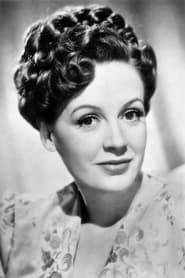
Phyllis Calvert
Fanny
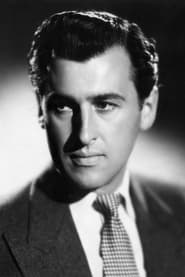
Stewart Granger
Harry Somerford
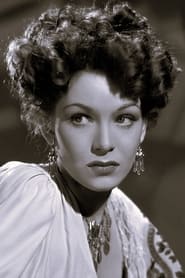
Jean Kent
Lucy Beckett
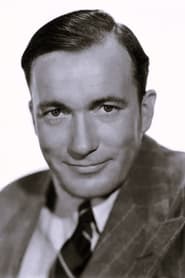
Wilfrid Lawson
Chunks
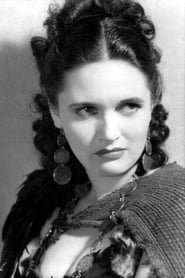
Margaretta Scott
Alicia
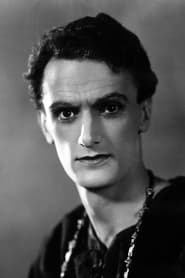
John Laurie
William Hopwood
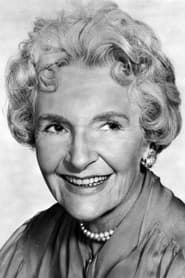
Cathleen Nesbitt
Kate Somerford
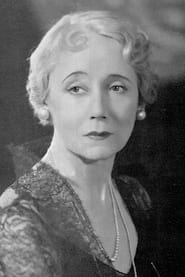
Helen Haye
Mrs. Somerford

Nora Swinburne
Mary Hopwood
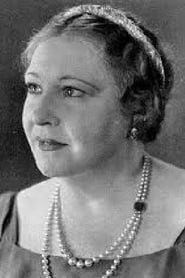
Amy Veness
Mrs. Heaviside

Ann Stephens
Fanny as Child

Esma Cannon
Maid (uncredited)
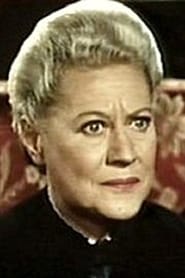
Helen Goss
Polly (uncredited)
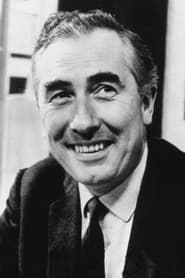
Peter Jones
Young Client at 'The Shades' (uncredited)

Vi Kaley
Mrs. Joe (uncredited)
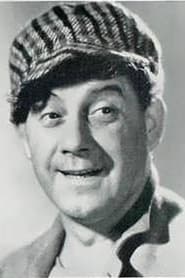
Johnnie Schofield
Joe (uncredited)
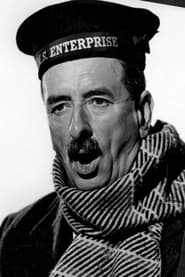
Cyril Smith
Publican (uncredited)
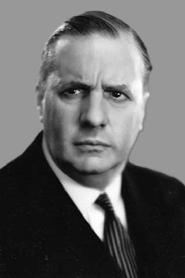
John Turnbull
Magistrate (uncredited)
More Like This














Reviews
CinemaSerf
An entertaining look at Victorian morals and double-standards as told through the eyes of "Fanny" (Phyllis Calvert) who is the daughter of a seemingly well-to-do family. When her father dies, she discovers that he secretly ran an house of ill repute from the basement and her sheltered, ordered, life is turned upside down. She goes to live in the home of successful politician Stuart Lindsell ("Seymore") who confides news that offers her new hope before, again, disaster strikes and she must again fend for herself - though this time with some assistance from his former secretary Stewart Granger ("Somerford") - all the time haunted/stalked by the rather unlikeable "Lord Manderstoke" (James Mason). "Fanny" hasn't her problems to seek in this rather episodic melodrama, but Granger, Lindsell and Margaretta Scott all contribute to this rather fine melodrama that exposes the best and worst of English social hypocrisy well. Mason features sparingly, considerably less frequently than in Saddier's original 1940 novel, which is a bit of a shame as the ending rather depends on the tension his character creates, but it is still a well crafted romantic drama.
You've reached the end.