
Cast

Gérard Blain
Davide

Anna Maria Ferrero
Giulia
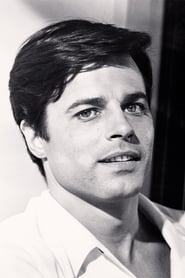
Jean Sorel
Massimo
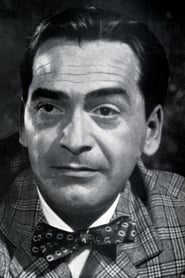
Andrea Checchi
Ortona - father of Giulia

Paola Borboni
Rosa
Umberto Raho
Rabbi Beniamino

Miranda Campa
Signora De Santis

Ignazio Leone
Partisan from Sicily
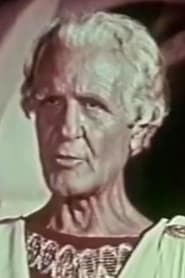
Nando Tamberlani
Signor De Santis
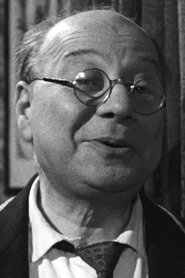
Enzo Petito
Usuraio
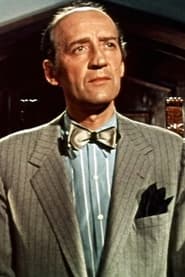
Luigi Scavran
Amalfi

Luigi Casellato
Segretario-consigliere della comunità

Tino Bianchi
Sua Eccellenza
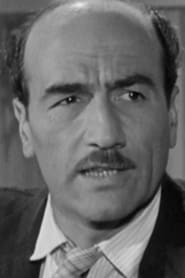
Ugo D'Alessio
Piperno, l'orefice
Calisto Calisti
Vincenzo
More Like This












Reviews
CinemaSerf
With the Nazis now firmly in control of the City of Rome, they have come up with a plan to extort 100 lbs of gold from it’s Jewish community else they must deliver two hundred of their most distinguished citizens up as hostage - and they know that will only be a prelude to more wholesale attacks on their faith and their assets. They have barely forty-eight hours to deliver the goods, and so many of them gather together everything of value that they possess to raise this ransom. “Davide” (Gérard Blain) wants none of this appeasement, though. He argues with his leaders that this is but the start of their persecution and that they must leave the city and join the partisans awaiting the arrival of the allies. He also has an eye for “Giulia” (Anna Maria Ferrero) but she is taken by local Catholic lad “Massimo” and a marriage to him might well see her safe from their occupiers - for now, at any rate. What now ensues sees the population divide along the lines of what to do next, but sadly that presentation is a little too superficial. Though Blain does well here as the charismatic lead and Filippo Scelzo also delivers quite poignantly as their conflicted leader determined to do what can to keep some semblance of peace until relief arrives, the other characterisations really only serve to thinly sketch out a scenario but not to really immerse us in it. It’s history, so perhaps Carlo Lizzani was assuming that we all already knew this so felt it unnecessary to fill out the detail, but with so much going on in the city, he determines to focus more on the slightly soapier elements of the storyline rather than the more menacing and intimidatory ones. The photography showcases the city and all that, but aside from one or two more robust scenes towards the end, the substance of this is lacking and I as a bit disappointed.
You've reached the end.