
Available For Free On
Trailers & Videos
![Thumbnail for video: Masters of Cinema Trailer [Subtitled]](https://img.youtube.com/vi/75SO1lc_TZU/hqdefault.jpg "Thumbnail for video: Masters of Cinema Trailer [Subtitled]")
Masters of Cinema Trailer [Subtitled]
![Thumbnail for video: Trailer [Subtitled]](https://img.youtube.com/vi/yEEmVghrypo/hqdefault.jpg "Thumbnail for video: Trailer [Subtitled]")
Trailer [Subtitled]

Clip 3
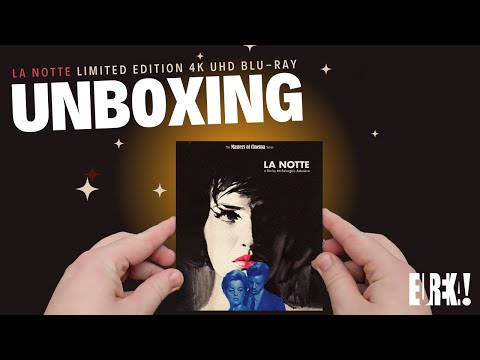
Masters of Cinema 4K UHD Blu-ray Unboxing Video
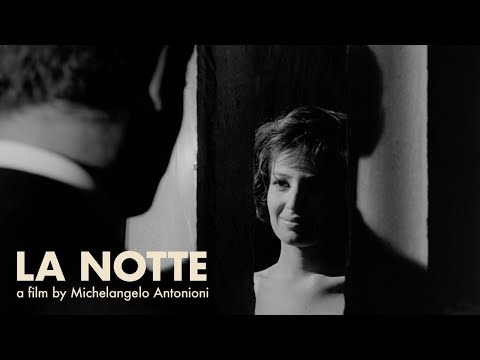
Clip 2
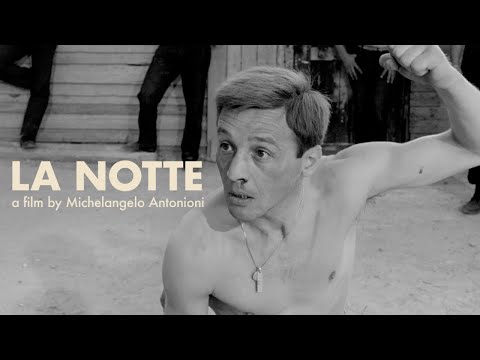
Clip
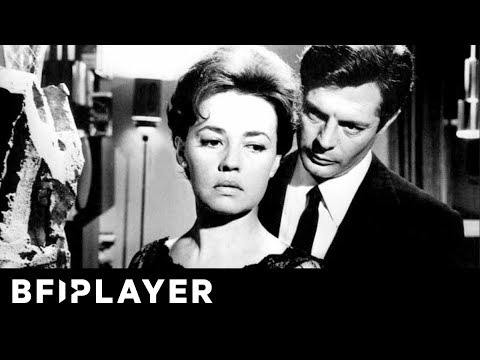
Mark Kermode reviews Antonioni's La Notte (1961) | BFI Player
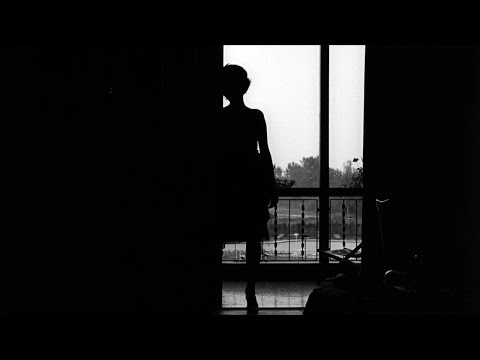
Three Reasons: La notte
Cast
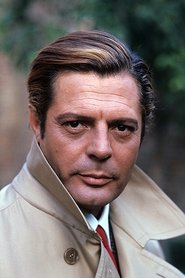
Marcello Mastroianni
Giovanni Pontano
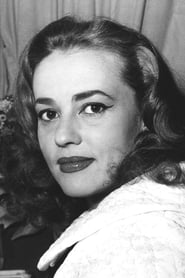
Jeanne Moreau
Lidia

Monica Vitti
Valentina Gherardini
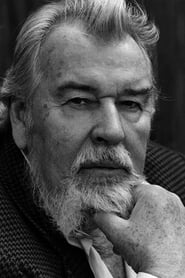
Bernhard Wicki
Tommaso Garani
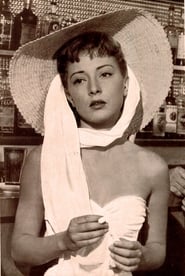
Rosy Mazzacurati
Rosy
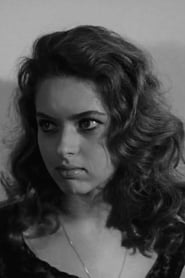
Maria Pia Luzi
Un'invitata

Gitt Magrini
Signora Gherardini
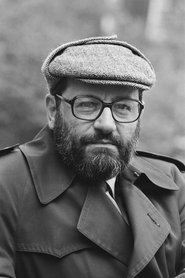
Umberto Eco
Man at the Party (uncredited)
More Like This



Reviews
CinemaSerf
I have always thought Jeanne Moreau to be one of the most striking of actresses. He expressions with her smile and her eyes would have made her a fantastic silent film star. Here she portrays "Lidia", married to "Giovanni" (an equally potent Marcello Mastroianni), with whom she has a pretty open relationship in what is a rapidly deteriorating marriage. It's only after they visit a terminally ill friend "Garani" (Bernhard Wicki) that she becomes distraught, leaves the hospital and her thoughts start to focus a little. She visits the home of her youth, he goes to a party to celebrate the release of his latest tome then they both end up at a lavish soirée where they are as if independent of each other - both pretty shamelessly flirting with other, younger, people whilst maintaining just about enough of a façade to remember that this is all about business. Michelangelo Antonioni has created the ultimately crafted fly-on-the-wall film, here. The photography is intimate, almost invasive, at times as we watch these two people heading on a crash course to marital oblivion taking a great deal of themselves with them too. Though at times outwardly superficial, the characterisations are actually quite complex and both play with a subtle, nuanced charisma that compliments the more obvious symptoms of their declining interest in each other. What also adds a richness to this is a distinct paucity of dialogue. Giorgio Gaslini has provided us with a score that allows the photography to tell us great swathes of the story using imagery only - the lack of needless conversation between the characters helps it to showcase the ostentatiousness of their ball or the use of the Milanese city-scape in the darkness illuminated only by the occassional street-light - and that frequently creates a compelling atmosphere as sterile and barren as is their failing partnership. By the end, we know that something has to give, but what might that be? For two hours it just flies by. It's Golden Bear was well won.
You've reached the end.