
Trailers & Videos
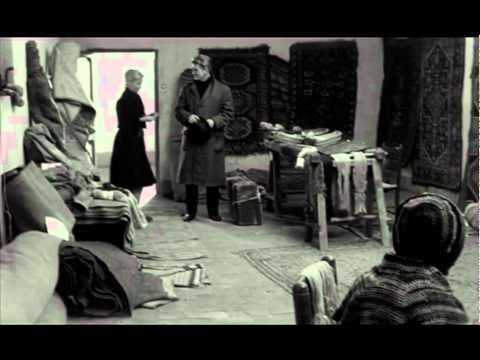
Le notti bianche di Luchino Visconti - Trailer
Cast
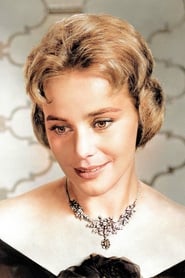
Maria Schell
Natalia
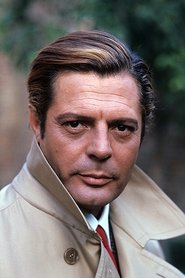
Marcello Mastroianni
Mario

Jean Marais
L'Inquilino
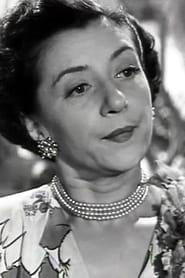
Marcella Rovena
La Padrona della Pensione

Maria Zanoli
La Domestica
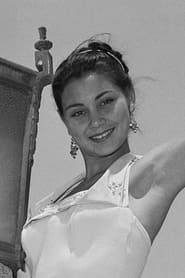
Elena Fancera
La Cassiera
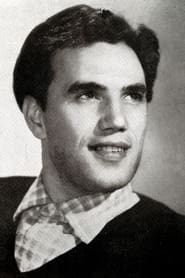
Renato Terra
Un Coinvolto nella Rissa
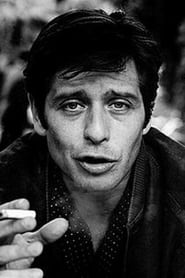
Corrado Pani
Un Giovinastro

Clara Calamai
La Prostituta
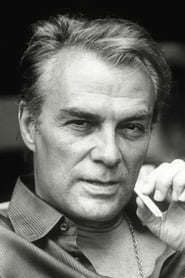
Giorgio Albertazzi
L'Inquilino / Narratore (uncredited)

Lys Assia
La Cantante (uncredited)
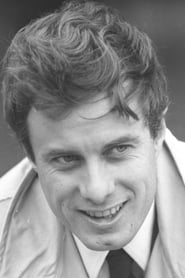
Enzo Doria
Il Marinaio Che Balla (uncredited)
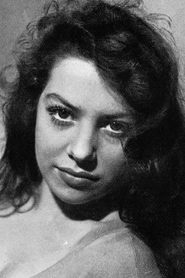
Carla Foscari
(uncredited)
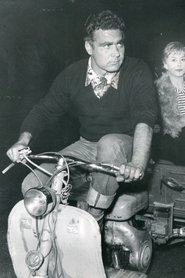
Biagio Gambini
Dancer (uncredited)
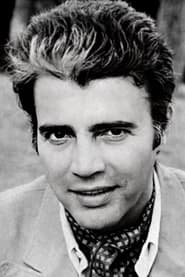
Sandro Moretti
Un Giovinastro (uncredited)
Mimmo Palmara
L'Uomo Che Gioca a Carte con la Prostituta (uncredited)
Winni Riva
(uncredited)
More Like This



Reviews
CinemaSerf
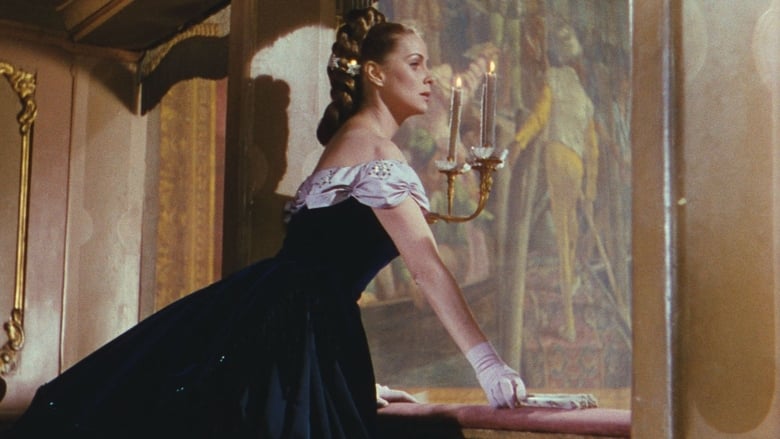
Marcello Mastroianni espies a young woman who is waiting, patiently, by a bridge. Initially he thinks she is one of the ladies of the night but as he passes he thinks he hears her crying. Distressed, she tries to flee from him but he manages to calm her down and they chat. They agree to meet next evening, same place same time - and that's the start of this charmingly simple drama that sees "Mario" and "Natalia" (Maria Schell) begin to confide in each other and cement a bond borne out of both of their emotional desires and frustrations. We also find out just why she waits each night. There are moments of intensity and joy as this story unfolds and we see a love burgeoning. Can it ever result in anything, though? The cold wintery evenings, the snow, the canals - they all add an eerie richness to two potent performances that show the vulnerabilities of their characters, their longings, disappointments and their hopes. Visconti also amiably incorporates a sense of family into the story well too. His being more around the relationship with the loudly omnipresent, but caring, landlady of his hotel (Marcella Rovena) and her's with her ageing grandmother - who rather comically uses a safety pin to adjoin their shirts so she cannot wander off! There is comedy here, but this film also has a sadness to it. Not a melancholic one, more an inevitability that somehow you just know is going to leave one of them quite possibly worse off in the end. Dostoevsky didn't much like "happy" endings - so don't go expecting one here, but there's a delicate chemistry to enjoy between Mastroianni and Schnell.
You've reached the end.