

Cast

Stanley Holloway
Sam Hollingsworth / Mr Lucifer

Peggy Cummins
Kitty Norton
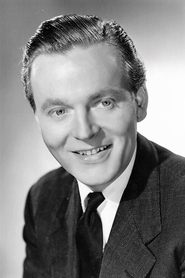
Jack Watling
Jim Norton

Kay Kendall
Lonely Hearts Singer

Ian Carmichael
Man Friday
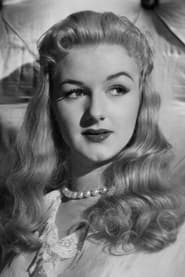
Joan Sims
Fairy Queen
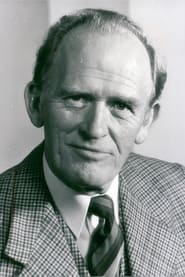
Gordon Jackson
Hector
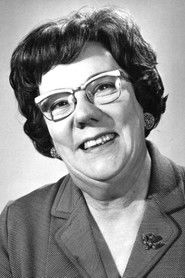
Dandy Nichols
Mrs. Clarke
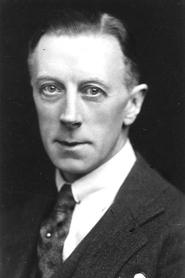
Ernest Thesiger
Mr. Macdonald
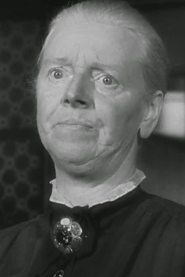
Jean Cadell
Mrs. Macdonald
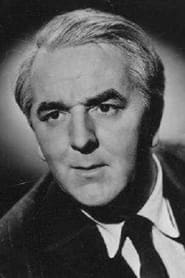
Joseph Tomelty
Mr. Pedelty

Barbara Murray
Patricia
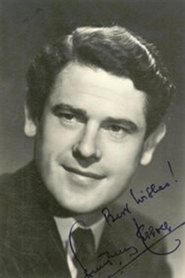
Humphrey Lestocq
Arthur
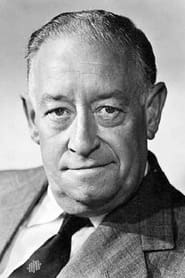
Charles Victor
Mr. Elder

Olive Sloane
Mrs. Stannard
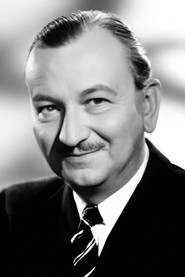
Raymond Huntley
Patterson

Frank Pettingell
Mr. Roberts

Irene Handl
Lady with the Dog
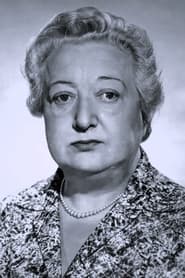
Gladys Henson
Lady in the Bus

Eliot Makeham
Edwards
More Like This















Reviews
John Chard
The Devil's Goggle Box.
Meet Mr. Lucifer is directed by Anthony Pelissier and adapted to screenplay by Monja Danischewsky from Arnold Ridley's (later to play private Godfrey in the long running situation comedy) Dad's Army) play (Beggar My Neighbour). It stars Stanley Holloway, Peggy Cummins, Jack Watling, Barbara Murray, Joseph Tomelty, Humphrey Lestocq and Gordon Jackson. Music is by Eric Rogers and cinematography by Desmond Dickinson.
Out of Ealing Studios, Meet Mr. Lucifer is one of that great studio's lesser lights. Homing in on a sort of fear of the new home entertainment of the 50s, that of the TV set, plot features a television set that moves from owner to owner and causes nothing but trouble for said owners. This of course is the work of Old Nick himself, here essayed with a glint in his eye by Holloway. Sadly the attempts at satire miss the mark, leaving us with a somewhat uneven mix of comedy and seriousness. On the plus side it opens the eyes to the iffy quality on the TV in the early 50s, while there's a roll call of fine British actors in the supporting (cameo) slots.
Interestingly the Ealing hierarchy were very wary of the themes at the core of the picture, which explains why Pelissier was fetched in to direct. Knowing they themselves were uncommitted to the production goes some way to explaining the flat feel to it all. 5/10
You've reached the end.