


Trailers & Videos
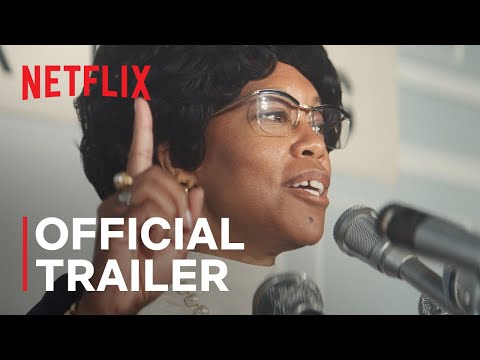
Official Trailer
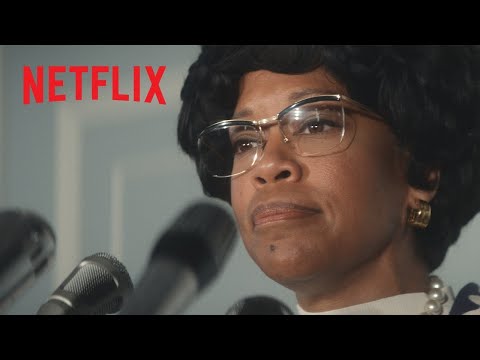
Shirley (played by Regina King) Speaks to the Black Delegates
Cast

Regina King
Shirley Chisholm
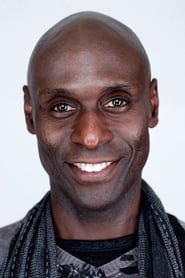
Lance Reddick
Wesley McDonald 'Mac' Holder

Terrence Howard
Arthur Hardwick Jr.

Lucas Hedges
Robert Gottlieb
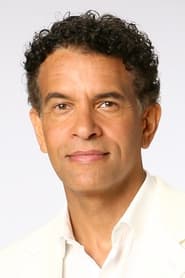
Brian Stokes Mitchell
Stanley Townsend
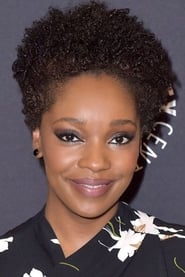
Christina Jackson
Barbara Lee
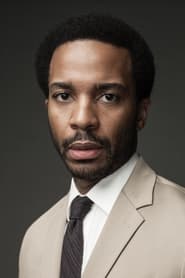
André Holland
Walter Fauntroy
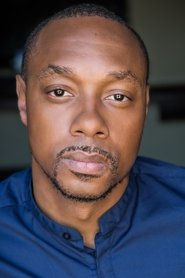
Dorian Missick
Ron Dellums
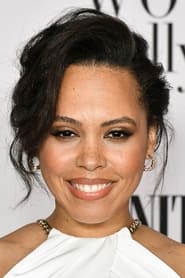
Amirah Vann
Diahann Caroll
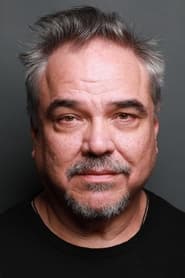
W. Earl Brown
George Wallace
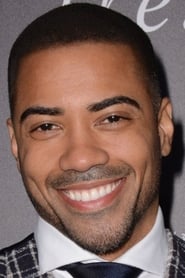
Brad James
Huey Newton

Ken Strunk
Congressman McCormack

Cory Hardin
Klosterman

Gregory Mallios
Oly Clark

Micaela Wittman
Maggie
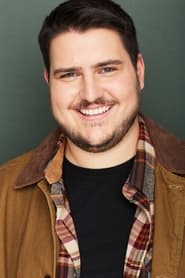
Brandon Knabe
Scott
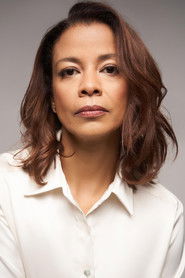
Loren Escandon
Rose
Mario Rocha
Labor Rally Goer

Mike Seely
Sweeney
David Vegh
Officer Brant
More Like This






Reviews
Brent Marchant
Congresswoman Shirley Chisholm (Regina King), the first African-American woman elected to the House of Representatives, was an inspiring, trailblazing politician, particularly in the areas of race and gender politics. After winning her seat in Congress in 1968, she later went on to run for the Democratic Party nomination for President in 1972. And that impressive background, one would think, should provide the basis for an engaging, uplifting film biography. Unfortunately, writer-director John Ridley’s take on this groundbreaking, often-unappreciated pioneer misses the mark in a number of ways. The biggest problem is a script that tries to cover too much ground in its 1:58:00 runtime, addressing an array of elements from Chisholm’s personal and political life and not covering either area particularly well, most notably in the film’s first half before settling down in the picture’s back end. The narrative jumps around so much that the picture becomes choppy and unfocused – almost incoherent at times – primarily due to some inexplicably mystifying film editing and a lack of sufficient explanation and back story, especially for those who may not know much about the protagonist’s life going in. The film also features some rather questionable casting choices, such as the selection of actor W. Earl Brown to portray Alabama Governor George Wallace, who neither looks nor sounds anything like the conservative Southern Democrat who also ran for President in 1972 and was subsequently shot during the campaign. Even King’s performance is somewhat uncharacteristically lacking as she struggles mightily to definitively capture Chisholm’s singular demeanor and vocal inflections, qualities that sometimes don’t always resonate, despite the actress’s strong physical resemblance to her character. The real standout here is Lance Reddick, who gives one of his career’s best portrayals (as Chisholm’s political mentor) in one of his last screen performances. It’s disappointing that this inspirational social and political leader hasn’t received the worthy cinematic tribute she truly deserves. Perhaps “Shirley” might have worked better as a miniseries than as a standalone vehicle, as that format likely would have provided a better option for more fully telling her story in all of the detail it seeks to depict here. Indeed, for someone who endeavored to rise up to the challenges she faced, it’s disheartening that the film seeking to depict that effort doesn’t match what she so earnestly sought to accomplish.
You've reached the end.