
Straw Dogs
In the Face of Every Coward Burns a Straw Dog.
David Sumner, a mild-mannered academic from the United States, marries Amy, an Englishwoman. In order to escape a hectic stateside lifestyle, David and his wife relocate to the small town in rural Cornwall where Amy was raised. There, David is ostracized by the brutish men of the village, including Amy's old flame, Charlie. Eventually the taunts escalate.
Trailers & Videos
![Thumbnail for video: Straw Dogs (1971) ORIGINAL TRAILER [HQ]](https://img.youtube.com/vi/izkEZAjaIbk/hqdefault.jpg "Thumbnail for video: Straw Dogs (1971) ORIGINAL TRAILER [HQ]")
Straw Dogs (1971) ORIGINAL TRAILER [HQ]
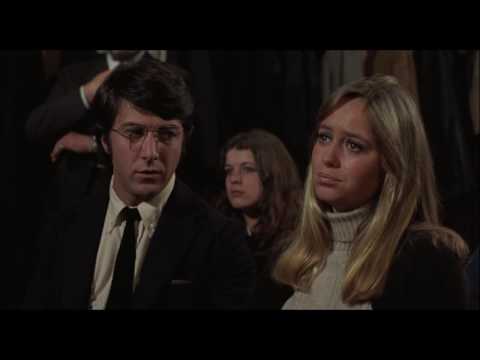
Linda Williams on Sex, Violence, and STRAW DOGS
Rod Lurie on STRAW DOGS
Josh Olson on STRAW DOGS
Cast
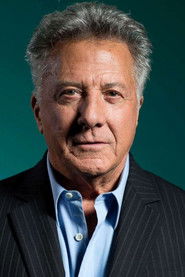
Dustin Hoffman
David Sumner

Susan George
Amy
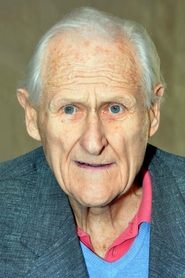
Peter Vaughan
Tom Hedden

T. P. McKenna
Maj. John Scott
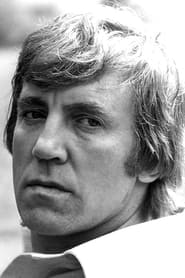
Del Henney
Charlie Venner
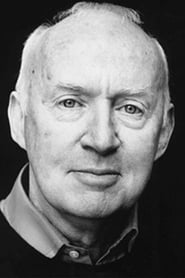
Jim Norton
Chris Cawsey
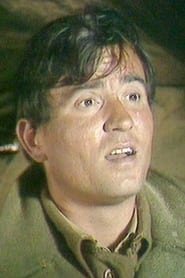
Donald Webster
Riddaway

Ken Hutchison
Norman Scutt
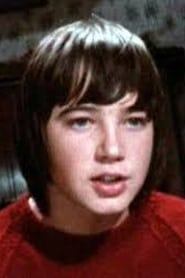
Len Jones
Bobby Hedden
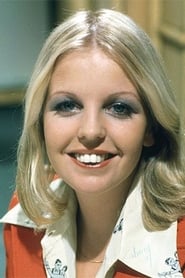
Sally Thomsett
Janice Hedden
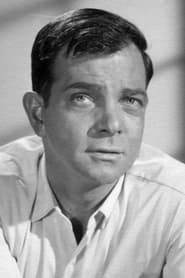
Peter Arne
John Niles

Colin Welland
Rev. Barney Hood
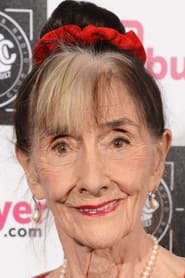
June Brown
Mrs. Hebden (uncredited)
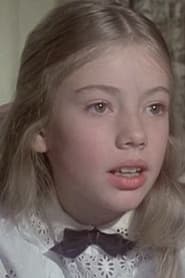
Chloe Franks
Emma Hebden (uncredited)
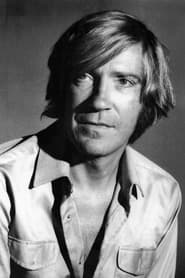
David Warner
Henry Niles (uncredited)
More Like This
Reviews
John Chard
This is where I live. This is me. I will not allow violence against this house.
Straw Dogs is directed by Sam Peknipah and Peckinpah co-adapts to screen play with David Zelag Goodman from the novel "The Siege of Trencher's Farm" written by Gordon Williams. It stars Dustin Hoffman, Susan George, Peter Vaughan, T.P. McKenna, Del Henney and Ken Hutchison. Music is by Jerry Fielding and cinematography by John Coquillon.
A young American maths teacher and his English wife move to the rural English village where she was raised and face increasingly vicious harassment from the locals...
One of Peckinpah's masterpieces (yes you can have more than one), Straw Dogs is an uncompromising dissection of violence, machismo and boundary pushing of the human condition. Controversy around the film reigned supreme upon release (and long into the dead part of the video nasty era 1980s), and in fact still today it is still pored over as an abject lesson in audience manipulation. For a s the power struggle between a husband and wife against their abusers reaches boiling point, ultra violence and sexual assault attacks the viewer's senses.
Peckinpah is in his pomp here, making us observers complicit in the ultimate cynical premise. It's not so much that violence begets violence, but that a mild mannered man has to resort to extreme violence - thus repelling his once firm code of morals - in order to defend what should in fact be his right. Hoffman is excellent, layering the character arc to perfection, while George as his wife is sexually suggestive, spiteful and positively superb in bringing to vivid life such a challenging characterisation.
As the director (see what he could do when not pestered by studio execs) pulls the audience's strings, and Fielding lays a haunting musical score over proceedings (Oscar Nominated), we have been privy to one of the best and most caustic observations of violence put on the screen. 10/10
Wuchak
**_How far can a civilized man be pushed?_**
A well-to-do couple from America (Dustin Hoffman and Susan George) move back to the wife's hometown near Land’s End in western Cornwall, England, and settle into the vacant homestead. They enlist some roofers whom she knows from her school days, one of them being a former boyfriend (Del Henney). Rivalry is in the air as the laborers try to emasculate Amy’s brainy husband and she questions his manhood. Havoc ensues.
Based on Gordon M. Williams’s novel and helmed by Peckinpah, "Straw Dogs" (1971) is a psychological thriller and so there's a lot of drama and subtle suspense build-up; things don't blow-up until the final act, so to speak. Consequently, anyone looking for mindless action should stay away. There are bits reminiscent of "Of Mice and Men," like the mentally challenged guy (David Warner) who doesn't know his own strength.
The conflict here is basically brawn vs. brain or Lynyrd Skynyrd vs. Bach. David (Hoffman) is a meek, civilized man of below average stature (almost 5’6”) with an intellectual occupation who is forced to shed all his cultured conditioning and revert back to the barbarism of his ancestors.
The story spurs some questions: Why does a rape-victim keep silent? Why is the local teen hottie interested in the mentally-challenged hunk? But a little reflection will answer these and other questions. I like it when films don't spell everything out and make you think. Certain added bits are interesting, like the subtle rivalry between gang members Charlie (Henney) and Norman (Ken Hutchison).
The flick is sophisticated and sneers at binary good/bad characterizations, rubbing the viewer’s face in humanity’s animalistic (or fallen) nature, which lies just beneath the veneer of civilized proprieties. There’s an effective 2011 remake, which switches the setting to the modern day of the Deep South, America. Anyone who appreciates Rural Gothic or Southern Gothic will likely appreciate either. I should add that there's an unpleasant rape sequence à la “The Wild Angels” and “Last Summer,” not to mention the mayhem of the climax, but it's mostly an intelligent drama that slowly builds tension, obviously influenced by “The Shuttered Room” from four years prior.
It runs 1 hour, 58 minutes, and was shot in southwest England at St Buryan, near Penzance, with studio stuff done at Twickenham Studios in London.
GRADE: B
You've reached the end.