
The Arbor
A Documentary Re-Invented
The lives of the late Bradford playwright Andrea Dunbar and Lorraine, one of her daughters, and the community of Bradford, in the 30 years since the 18-year-old Andrea penned a play about growing up in the community titled "The Arbor".
Production

Production
Trailers & Videos
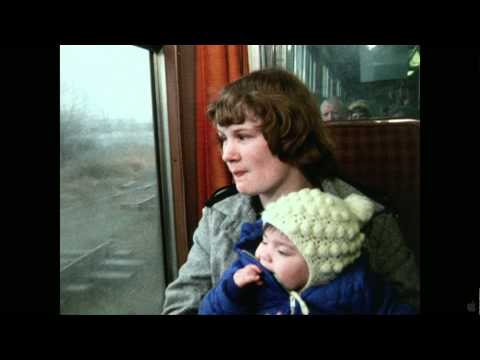
THE ARBOR trailer HD
THE ARBOR - OFFICIAL UK TRAILER
Cast

Christine Bottomley
Lisa Thompson

Manjinder Virk
Lorraine Dunbar

Natalie Gavin
The Girl

George Costigan
Jimmy 'The Wig'

Monica Dolan
Ann Hamilton

Neil Dudgeon
Steve Saul

Jimi Mistry
Yousaf

Robert Emms
Young David

Kate Rutter
The Mother

Danny Webb
Max Stafford-Clark / The Father

Matthew McNulty
Andrew Dunbar

Kathryn Pogson
Pamela Dunbar

Jonathan Jaynes
David Dunbar

Kulvinder Ghir
Rafee

Moey Hassan
Bus Conductor

Josh Brown
Policeman

Andrea Dunbar
Self (archive footage)
More Like This









Reviews
CinemaSerf
Using a combination on documentary style film making and some more theatrical re-enactments, this takes a candid approach to it’s telling of the story of troubled playwright Andrea Dunbar - probably most famous for her “Rita, Sue and Bob Too”. The arbor in question is a street on the 1950s Buttershaw housing estate in the Yorkshire city of Bradford, and it’s primarily through the eyes of those portraying her children that we get a glimpse of the booze and drug-fuelled lives of many who lived in this working class community. Lorraine (Manjinder Virk) and Lisa (Christine Bottomley) quite ably provide a running narrative combining some more overtly recreated episodes with some cleverly presented lip-synched deliveries from actual conversations that occurred with their mother, between themselves and with their neighbours as they grew up - and they do that convincingly throughout. If you did live in any of Britain’s northern urban areas in the 1970s, then there is a lot relatable here. The sense of community spirit is writ large, but so is the racism that prevails amidst a society that profoundly disapproves of any inter-racial relationships - an issue that personally impacts on Lorraine and arguably sets her in train for a life of her own not dissimilar from those experienced and described by her mother. There is also some actuality featuring Dunbar here too, which reminds us that not only was this a woman of keen observational skills, but also one possessed of quite a degree of wit, too and her descriptions are compelling, authentic and darkly humorous into the bargain. The ensemble cast contribute hugely to this docu-drama with some playing real people, and others playing actors playing real people - and the staging of scenes on their grassy common using basic props and with neighbours watching on has something uncomfortably honest about it. It’s not the cheeriest of films as it progresses, indeed it frequently offers us a gloom and doom that it can be quite hard to sympathise with as many of the characters seem content to wallow in their own self-perpetuated disillusionment, but it certainly offers food for thought.
You've reached the end.