
The Choral
They were divided by war. He united them in song.
As World War I rages on, Dr. Henry Guthrie takes over a British choral society that's lost most of its men to the army. The community soon discovers that the best response to the chaos of war is to make beautiful music together.
Production



Production
Trailers & Videos
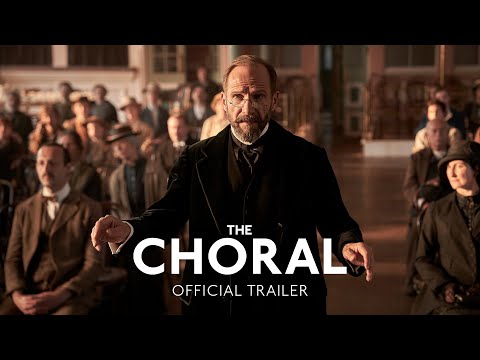
Official Trailer
"About the Film" with Director Nicholas Hytner
Nicholas Hytner, Roger Allam & Kevin Loader: Getting with the programme | TIFF x Rogers
Real voices. Real emotion.
Finding meaning in making music together
Hear what it was like on set with the cast of The Choral
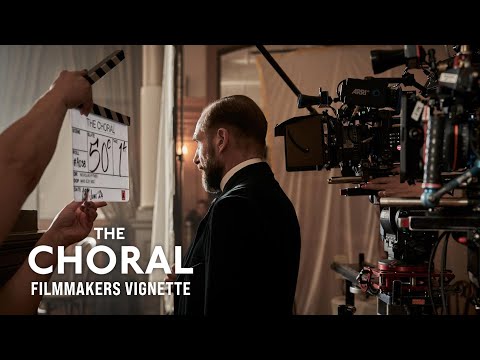
Filmmakers Vignette
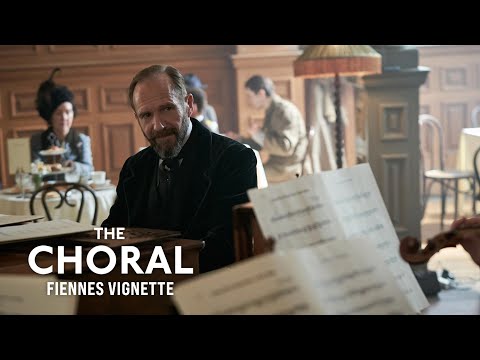
Fiennes Vignette
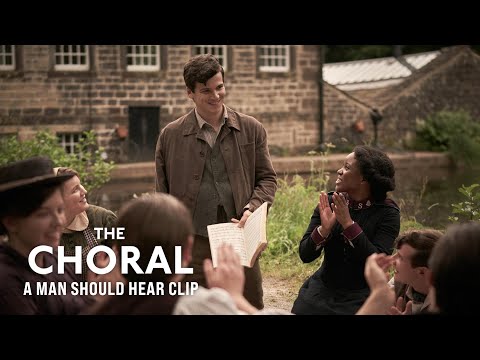
A Man Should Hear Clip
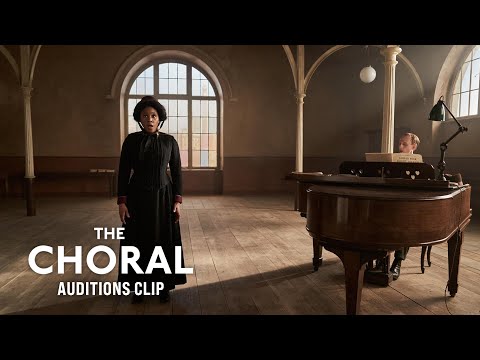
Auditions Clip
Cast
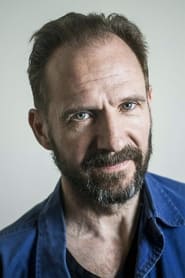
Ralph Fiennes
Dr. Henry Guthrie
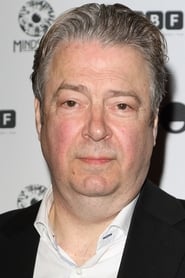
Roger Allam
Alderman Bernard Duxbury
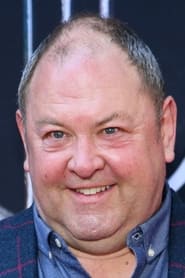
Mark Addy
Joe Fytton

Alun Armstrong
Herbert Trickett
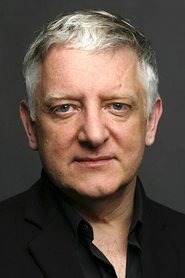
Simon Russell Beale
Sir Edward Elgar
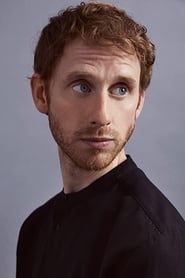
Robert Emms
Robert Horner

Lyndsey Marshal
Mrs. Bishop
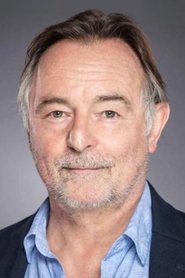
Ron Cook
Reverend Woodhead

Amara Okereke
Mary Lockwood

Emily Fairn
Bella Holmes

Shaun Thomas
Mitch
Jacob Dudman
Clyde

Oliver Briscombe
Lofty
Taylor Uttley
Ellis
Thomas Howes
Gilbert Pollard
Carolyn Pickles
Miss Muschamp

Angela Curran
Mrs. Pemberton

Reuben Bainbridge
Black Bright
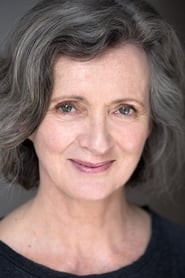
Eunice Roberts
Mrs. Duxbury
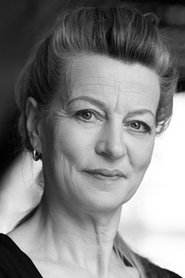
Tamzin Griffin
Miss Niner, Cellist
More Like This




Reviews
Manuel São Bento
FULL SPOILER-FREE REVIEW @ https://fandomwire.com/the-choral-review/
"The Choral is a passable yet forgettable experience.
While the vocal performances are heavenly and the premise of finding refuge in art is noble, its thematic and narrative approach is too shallow. The lack of development for all characters prevents catharsis and emotional impact, leaving the audience with a movie that feels more like a rigid stage play than a cinematic drama.
It's a mere fleeting comfort whose beautiful music cannot conceal the superficiality of its story."
Rating: C+
CinemaSerf
With people still believing that the Great War would be over by Christmas, the grandees in the northern English town of “Ramsden” are facing a crisis of their own. Their choir-master has joined up, and with St Matthew’s Passion already booked for the town hall, local mill owner “Duxbury” (Roger Allam) needs to find a replacement. A chat with his sidekicks “Joe” (Mark Addy) and disgruntled undertaker “Trickett” (Alun Armstrong) sees them alight on “Guthrie” (Ralph Fiennes). Snag? Well he has spent quite a lot of time in Germany and just about every piece of music they can think of has been written by a German, too. Aware of the political sensitivities of their choice and also struggling to get any male voices from the now dwindling citizenry, the film depicts their efforts to perform their own version of a large-scale choral piece from Sir Edward Elgar. Meantime, whilst this is all in the pipeline we also follow the adventures of a few of the lads from the town who, at just seventeen, are aware that call-up is just a matter of time so getting laid - either lovingly or transactionally - is the order of the day. “Ellis” (Taylor Uttley) has his eyes set on “Bella” (Emily Fairn) but she’s engaged to the recently returned and wounded “Clyde” (Jacob Dudman). Then there’s the aptly named local postie “Lofty” (Oliver Briscombe) and finally the man-shy Sally-Army chanteuse “Mary” (Amara Okereke) and her, he hopes, would-be beau “Mitch” (Shaun Thomas). Finally, and I felt a bit unnecessarily, there’s an undercooked sub-plot between “Guthrie” and pianist “Robert” (Robert Emms) to further complicate matters and illustrate something of the idea of conscientious objectivity. What chance any of them might find happiness before their big day on the stage or before that fateful train departs? Actually, what chance Sir Edward (Sir Simon Russell Beale) is going to let them perform it at all? Now historians could probably take issue with a lot of this. Even I spotted a few inconsistencies with the facts and this timeline, but I think this is essentially a film about how ordinary people coped with a war that they knew little about beyond their loyal and fairly unequivocal dedication to King and Country. It stretches belief a little insofar as this small town managing to find quite such an array of singing talent, but on that front it reminded me a little of “Brassed Off” (1996) in that it showcases just how important a choir and/or a band were to these proud working class communities who were embarking on complex works with a determination that easily transcended the barriers of class or social standing that prevailed outside of their rehearsal room. It’s that sense of purpose that I felt this delivered quite well, and though I can’t say Fiennes did all that much beyond enunciate in German quite effectively, I did think Allam, Addy, Fairn and the scene-stealing Okereke presented us with an amiable observation of the importance of wartime diversion when many were preoccupied with those already at, or about to go to, the Somme. The production design is busy and authentic looking, sugar rationing doesn’t appear to have been an issue for the Battenberg cakes and of course Sir Simon managed his five minutes of pure luvvie-curmudgeon as if he were still on the set of the last “Downton Abbey” movie. The oratorio in question features powerfully as the credits roll and though this maybe isn’t a film you will recall for too long, I thought it’s very humanity, tempered with some occasional mischief, was quite poignant and worth a watch.
You've reached the end.