


Cast

Mikkel Gaup
Aslak Hætta

Anni-Kristiina Juuso
Elen Skum
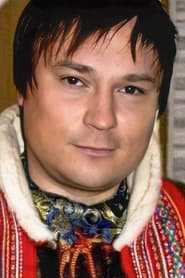
Aslat Mahtte Gaup
Mathis Hætta

Mikael Persbrandt
Carl Johan Ruth

Bjørn Sundquist
Niels Vibe Stockfleth
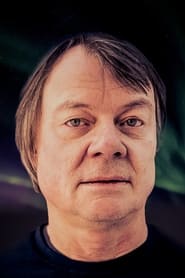
Sverre Porsanger
Ruth's Assistant

Peter Andersson
Lars Johan Bucht

Michael Nyqvist
Lars Levi Laestadius

Jørgen Langhelle
Halmboe

Nikolaj Coster-Waldau
Biskop Juell

Stig Henrik Hoff
Stockfleth's Assistant

Ola Otnes
Tjänsteman Harris
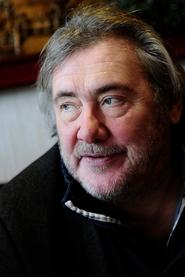
Göran Forsmark
Butikshandlaren

John Sigurd Kristensen
Fogd Lie

Frank Krog
Bøddel

Knut Walle
Lensmann

Ánne Mággá Wigelius
Berit
More Like This













Reviews
CRCulver
In 1852, Sami reindeer herders in the Arctic region of Norway were fed up with the Norwegian liquor industry exploiting their tendency to alcoholism, local government officials seizing parts of their herds, and a corrupt state church ignoring it all. They rioted, beating the local priest and killing a merchant and government official. The two men considered ringleaders, Aslak Haetta and Mons Somby, were tried and executed. This incidence is little-known in most of Europe, but in the history of the Sami people it is one of the few tales of resistence to pressure from their southern neighbors and has gained a sort of epic status. Nils Gaups' 2008 film The Kautokeino Rebellion depicts this event. The main character of the film is Ellen Aslaksdatter Skum, who with her husband Mathis Haetta, was sentenced to long imprisonment. Ellen is played by Anni-Kristiina Juuso, a Sami actress best known for her role in Aleksandr Rogozhkin's 2001 film The Cuckoo. The film is multilingual, with the Sami speaking their own language, Swedish used as a lingua franca, and Norwegian heard from a few outsiders. Mid-19th century Norway is depicted in absorbing detail, and watching the film I felt to some degree that I was sharing the challenges of the characters in the frozen north.
The film takes a few liberties with history (the whipping of the priest isn't portrayed, and the rioters are stopped by what seem to be Norwegians instead of their own other Sami neighbors. Still, it's generally factual and really inspires the viewer to go out and learn more about the event. What I really admire about the film is that it doesn't try to portray the murderers as bold defenders of national consciousness: their uprising was something of an act of blind rage and they were betraying their own Christian ideals. Other depictions of the riots, such as Launis' godawful opera "Aslak Hetta", give in to hyperbolic National Romantic feelings, but Gaups' film keeps it on the level.
You've reached the end.