



Trailers & Videos
Janus Films Trailer
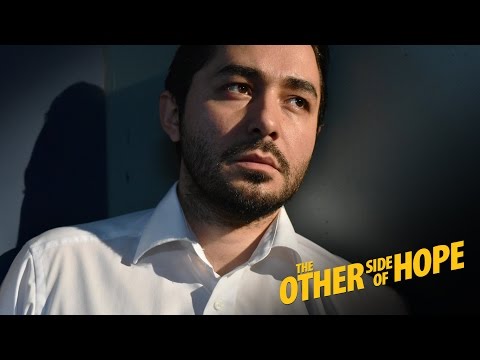
UK Trailer
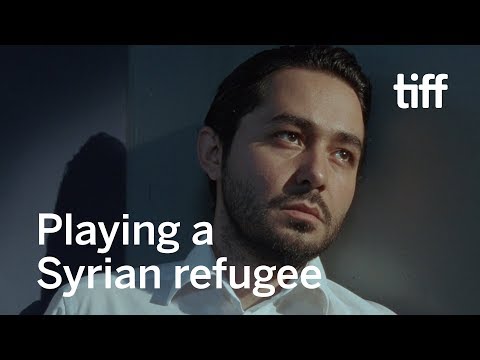
How Aki Kaurismäki Shows the Other Side of Refugee Stories
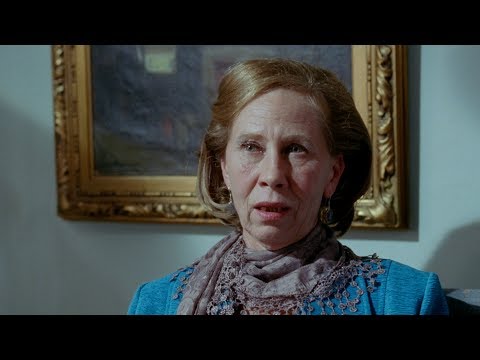
clip - "Drink sake and dance hula hula"
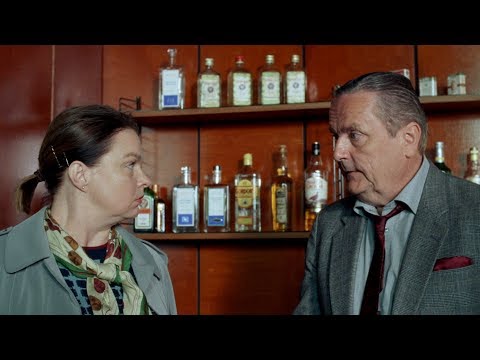
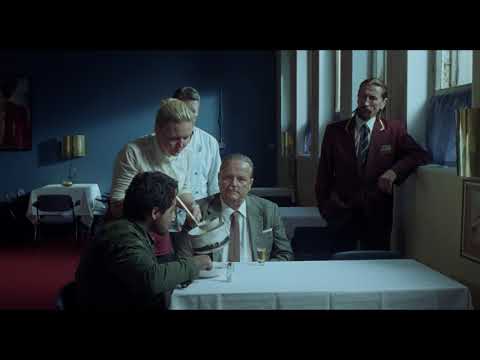
clip - "Official business"
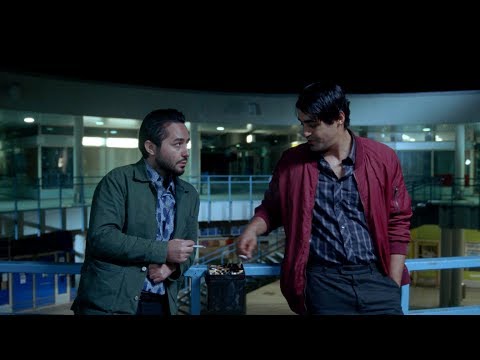
clip - "Should I smile?"
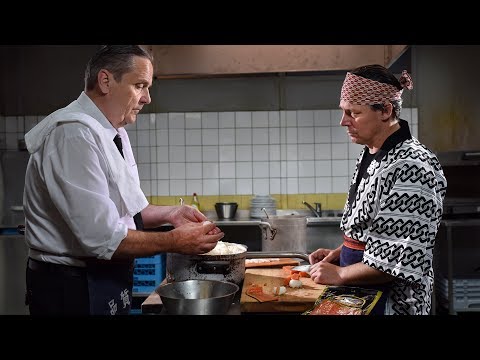
clip - "Meatballs won't do"
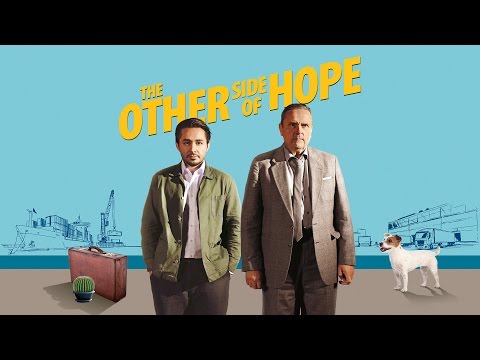
UK Spot
Cast
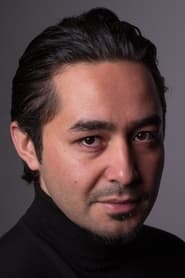
Sherwan Haji
Khaled
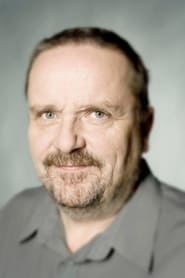
Sakari Kuosmanen
Wikström

Kaija Pakarinen
Wikström's Wife

Niroz Haji
Miriam

Janne Hyytiäinen
Nyrhinen
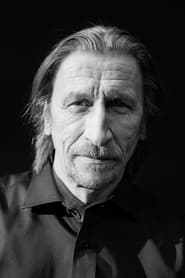
Ilkka Koivula
Calamnius

Nuppu Koivu
Mirja

Simon Al-Bazoon
Mazdak
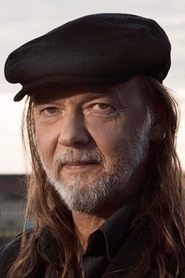
Tuomari Nurmio
Busker / Band Member
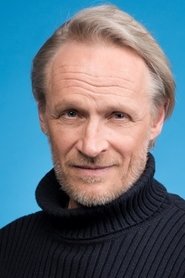
Antti Virmavirta
Police at the Station
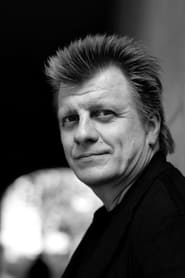
Timo Torikka
Police at the Station

Kati Outinen
Clothing Store Owner

Maria Järvenhelmi
Reception Center Officer

Milka Ahlroth
Asylum interviewer
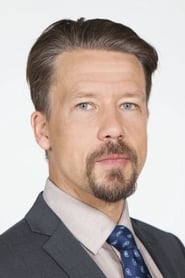
Tommi Eronen
Hooligan at the Bus Stop
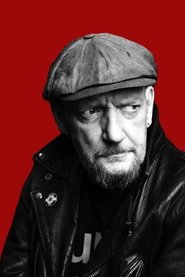
Vesa Häkli
Hooligan at the Bus Stop
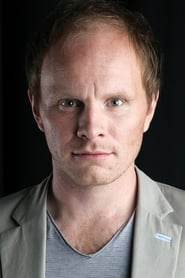
Dome Karukoski
Hooligan at the Bus Stop

Mikko Mykkänen
Poker Room Doorman
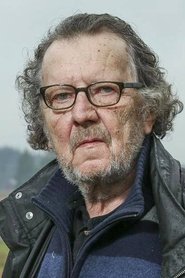
Sulevi Peltola
Poker Room Operator
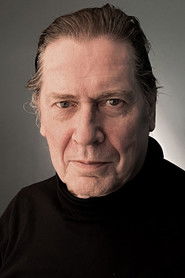
Matti Onnismaa
Man with Cold Stare
More Like This







Reviews
CRCulver
In Aki Kaurismäki's 2016 film Toivon tuolla puelella ("The Other Side of Hope"), the Finnish auteur continues a theme he explored in Le Havre from five years earlier: refugees fleeing to Europe and forced to survive when heartless officials and some locals are against them. While that earlier film was shot in the comparatively exotic setting of the eponymous French port, Toivon tuolla puelella returns to Kaurismäki's familiar stomping grounds of downtown Helsinki.
The film consists of two converging plotlines. In one, the aging salesman Wikström (Sakari Kuosmanen, a longtime member of Kaurismäki's acting stable) leaves his wife, wins a lot of money in a poker game, and decides to open a restaurant. In the other, the Syrian refugee Khaled (Sherwan Haji) arrives in Helsinki after fleeing war-torn Aleppo and wandering across half of Europe, but he is worried about his sister that he got separated with along the way. Wikström and Khaled eventually meet and become friends -- or the closest thing to friends that Kaurismäki's exaggeratedly cold and morose Finns can get to each other. Before that, however, the Wikström plotline serves to inject some humour, albeit of an extremely deadpan sort, into a film that, though Khaled, explores the depressing lives of refugees who are shuffled from one center to another and forced to wait for their cases to be processed.
For three decades now, Kaurismäki has made all his films to a very distinctive template that virtually never varies. Its characters speak a minimum of dialogue to each other and show little expression on their faces. The sets are drab in colour and deliberately anachronistic, with gadgets, vehicles or clothes from the 1950s alongside computers and mobile phones from our time. At some point, a band will appear on stage playing oldies rock, blues, or Finnish tangos as the characters look on.
Toivon tuolla puelella doesn't stray from that template either. Still, the script has enough fresh moments to it that it will feel worthwhile evento longtime Kaurismäki films who have sat through this template many times before. Some of the humorous bits are laugh-out-loud funny, but overall this does feel like a darker film than most of the director's work. It is ultimately a choked, restrained cry of rage at the way that refugees are treated, by a Nordic society that prides itself on fairness, equality and charity. While Kaurismäki is roughly on the left politically, several of his films have attacked the Finnish welfare state for its opaque bureaucracy and its reduction of human beings to mere papers in a government file. This film continues that critique by depicting the refugees, who come from many countries but manage to band together to lend each other help, as the sort of neighborly solidarity that Kaurismäki prefers to faceless bureaucracy.
I personally wouldn't find this the best introduction to Kaurismäki. His earlier film Mies vailla menneisyttä ("The Man Without a Past") depicted with more meat on its bone a down-on-his-luck man lost among bureaucracy, while the über-idiosyncratic romantic comedy Varoja paratiisissa ("Shadows in Paradise") is one of Kaurismäki's best achievements in deadpan humour. Still, Toivon tuolla puelella seems to tell a story universal enough to pull on everyone's heartstrings and is worth seeing.
FrontrunnerParis
Europe "welcomes" war refugees. Gallery of portraits in Tati-style sets, and a call to order, always in progress. Uplifting.
You've reached the end.