
The Richest Girl in the World
$30,000 A DAY TO SPEND...and nothing to live for!
Millionairess Dorothy Hunter is tired of finding out that her boyfriends love her for her money, and equally weary of losing eligible beaus who don't want to be considered fortune-hunters. That's why she trades identities with her secretary Sylvia before embarking on her next romance with Tony Travers. This causes numerous complications not only for Dorothy and Tony but for Sylvia, whose own husband Philip is not the most patient of men.
Production

Production
Cast

Miriam Hopkins
Dorothy Hunter

Joel McCrea
Anthony Travers

Fay Wray
Sylvia Lockwood
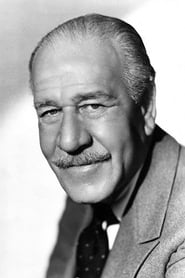
Henry Stephenson
John Connors
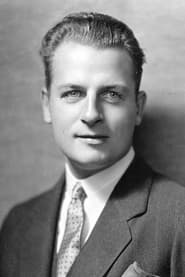
Reginald Denny
Phillip Lockwood
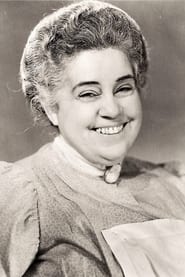
Beryl Mercer
Maid

George Meeker
Donald
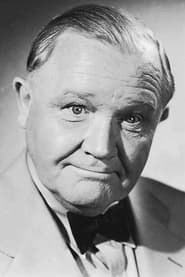
Wade Boteler
Jim Franey

Herbert Bunston
Cavendish
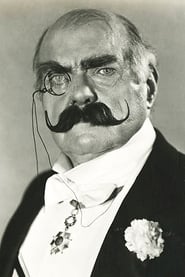
Burr McIntosh
David Preston
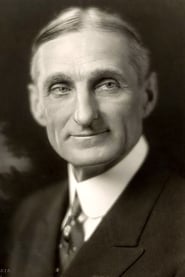
Edgar Norton
Binkley - The Butler

Selmer Jackson
Dr. Harvey (uncredited)

Bess Flowers
Nightclub Patron (uncredited)
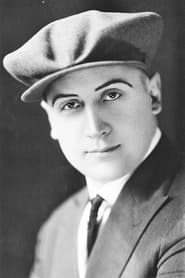
Harold Miller
Party Guest (uncredited)
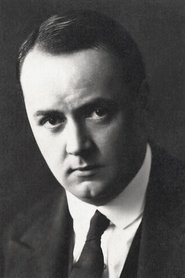
Charles Coleman
(uncredited)
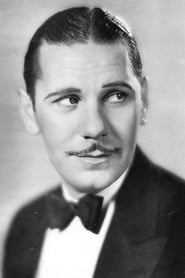
Brooks Benedict
Party Guest (uncredited)

Harry Bowen
Pinky (uncredited)
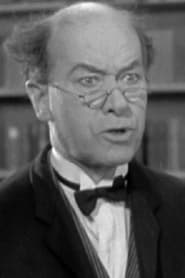
William Burress
Haley's Editor (uncredited)
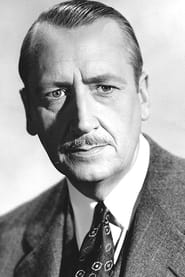
William Gould
Second Trustee (uncredited)

Olaf Hytten
Valet (uncredited)
More Like This














Reviews
CinemaSerf
Poor little rich girl “Dorothy” (Miriam Hopkins) is fed up always being ousted by gold-digging boyfriends and so hits on the idea, with the help of her executor “Connors” (Henry Stephenson), of swapping places with her dedicated secretary “Sylvia” (Fay Wray) and the. Seeing if she can’t meet a man who likes her for herself. That man might just have come along in the form of “Tony” (Joel McCrea) but with the whole scenario being built on a pyramid of lies and with the real husband of “Sylvia” (Reginald Denny) getting just as confused by proceedings, this all starts to look distinctly dodgy. Now to get anything from this, you have to pretty much suspend common sense. Even in the 1930s, the identity of the heiress would never have been so easy to conceal as it appears here. Even her own board of directors don’t seem to recognise their own boss. Thereafter, the film really belongs to Hopkins because she delivers quite a skilful portrayal of a selfish, spoiled and really quite unpleasant girl who coasts along through a mire of caviar and lobster completely unaware of just how fortunate she is. It does have moments of levity, usually at the hands of Denny but it’s all just a little too contrived to remain very funny for long. How the other half lived!
CinemaSerf
Recently jilted poor little rich girl “Dorothy” (Miriam Hopkins) is fed up always being pursued by gold-digging boyfriends and so hits on the idea, with the help of her executor “Connors” (Henry Stephenson), of swapping places with her dedicated secretary “Sylvia” (Fay Wray) and then seeing if she can’t meet a man who likes her for herself. That man might just have come along in the form of “Tony” (Joel McCrea) but with the whole scenario being built on a pyramid of lies and with the real husband of “Sylvia” (Reginald Denny) getting just as confused by proceedings, this all starts to look distinctly dodgy. Now to get anything from this, you have to pretty much suspend common sense. Even in the 1930s, the identity of the heiress would never have been so easy to conceal as it appears here. Even her own board of directors don’t seem to recognise their own boss. Thereafter, the film really belongs to Hopkins because she delivers quite a skilful portrayal of a selfish, spoiled and really quite unpleasant girl who coasts along through a mire of caviar and lobster completely unaware of just how fortunate she is. It does have moments of levity, usually at the hands of Denny but it’s all just a little too contrived to remain very funny for long. How the other half lived!
You've reached the end.