
The Sporting Club
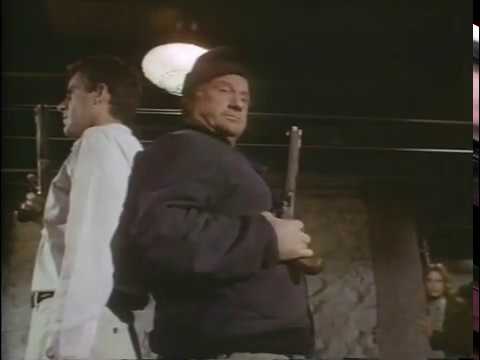
The trout season begins in May. The deer season begins in September. Today it's open season for people!
The wealthy members of an exclusive backwoods retreat face an existential threat from both a disgruntled former manager as well as a subversive, anarchistic current member.
Trailers & Videos
The Sporting Club | 1971 - AVCO Embassy
Cast
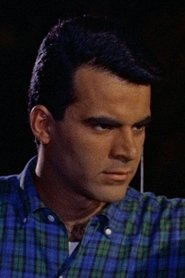
Robert Fields
Vernur Stanton
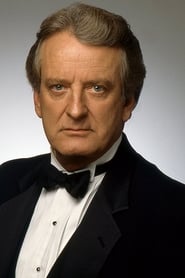
Nicolas Coster
James Quinn

Margaret Blye
Janey
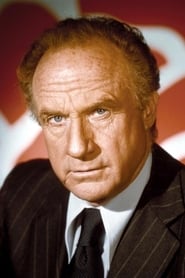
Jack Warden
Earl Olive
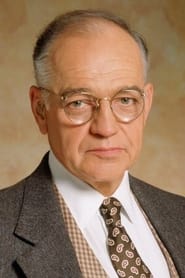
Richard Dysart
Spengler
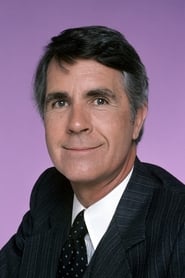
James Noble
Canon Pritchard
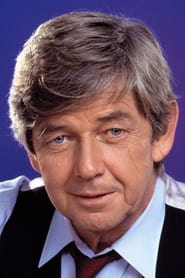
Ralph Waite
Olson


Linda Blair
Barby
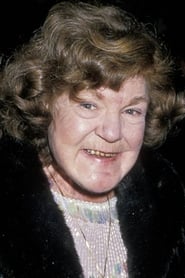
Anne Ramsey
Scott's Wife

Helen Craig
Mrs. Olds
Logan Ramsey
Scott
William Roerick
Fortesque
More Like This














Reviews
adorablepanic
THE SPORTING CLUB (1971) - Businessman James Quinn (Nicolas Coster) sets out for a peaceful getaway of hunting, fishing, and drinking at the Centennial Club, a backwoods retreat whose wealthy members all value insularity and tradition. All, that is, except for Vernur Stanton (Robert Fields), a simmering provocateur and anarchist whose favorite pastime is engaging in Alexander Hamilton/Aaron Burr-style gun duels. When Earl Olive (Jack Warden), the Club's new manager, is injured in one of these wax-bullet showdowns, the perpetually stoned Olive - with assistance from his rowdy biker buddies - declares literal class warfare on the Club and its members. Since its satiric concerns revolve around issues which are so prevalent in American politics today - namely hyper-partisanship and the privileged versus the proletariat - you would think that this would resonate more powerfully today than when initially released by a clueless AVCO Embassy (who actually promoted this in some markets as a MOST DANGEROUS GAME (1932)-style human-hunting tale). Unfortunately, the story starts to gradually lose focus; the approach becomes heavy-handed and obvious; and interest starts to wane before the big orgy finale. (Yes, you read that right.) With an interesting, folksy score by Michael Small; a source novel by Thomas McGuane; and a cast full of fine character players who would become familiar faces on television over the next decade, this is one instance where the whole is quite a bit less than the sum of its parts.
You've reached the end.