
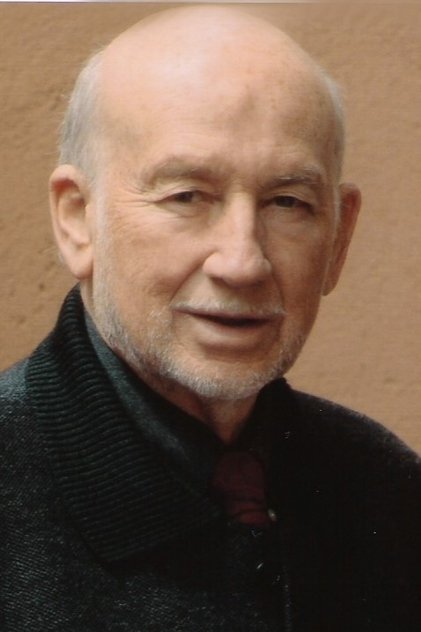
Adolfo Marsillach
Acting
Biography
Adolfo Marsillach i Soriano (Barcelona, January 25, 1928 - Madrid, January 21, 2002)
Born: January 25, 1928
Place of Birth: Barcelona, Barcelona, Catalonia, Spain
Known For
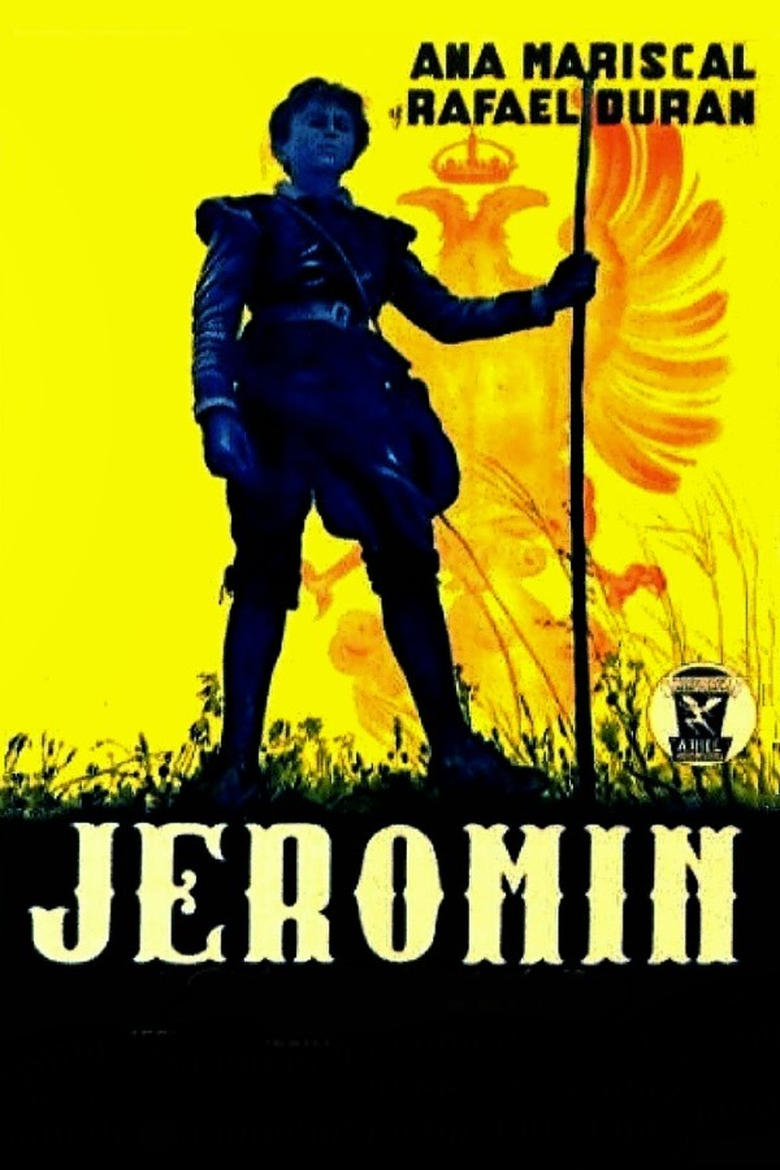
Jeromín
In the biography of John of Austria the Spanish hero of Flanders, brother of Philip II, as an argument, the tape is a praise of Spain Emperor Charles V and the values of Franco.

Don Juan Tenorio
There are nearly three dozen major televised, theatrical and cinematic productions paying homage to this revision of the original tale of Don Juan. Playwright José Zorrilla's work, was first written and published in 1844, and it soon became one of the most popular plays of the 19th Century. Spanish Director Alejando Perla's own 1952 cinematic version is probably the best-known of several films made concerning Zorrilla's take on the exploits of the immortal Don Juan-in just a 15 year period, (starting in 1936). His version stands out because it focuses on why Don Juan Tenorio should repent, after reflecting on a hedonistic life of drinking, followed by his enchantment, seduction and ultimate corruption of the innocent and married women he seduced then callously abandoned all throughout Seville.
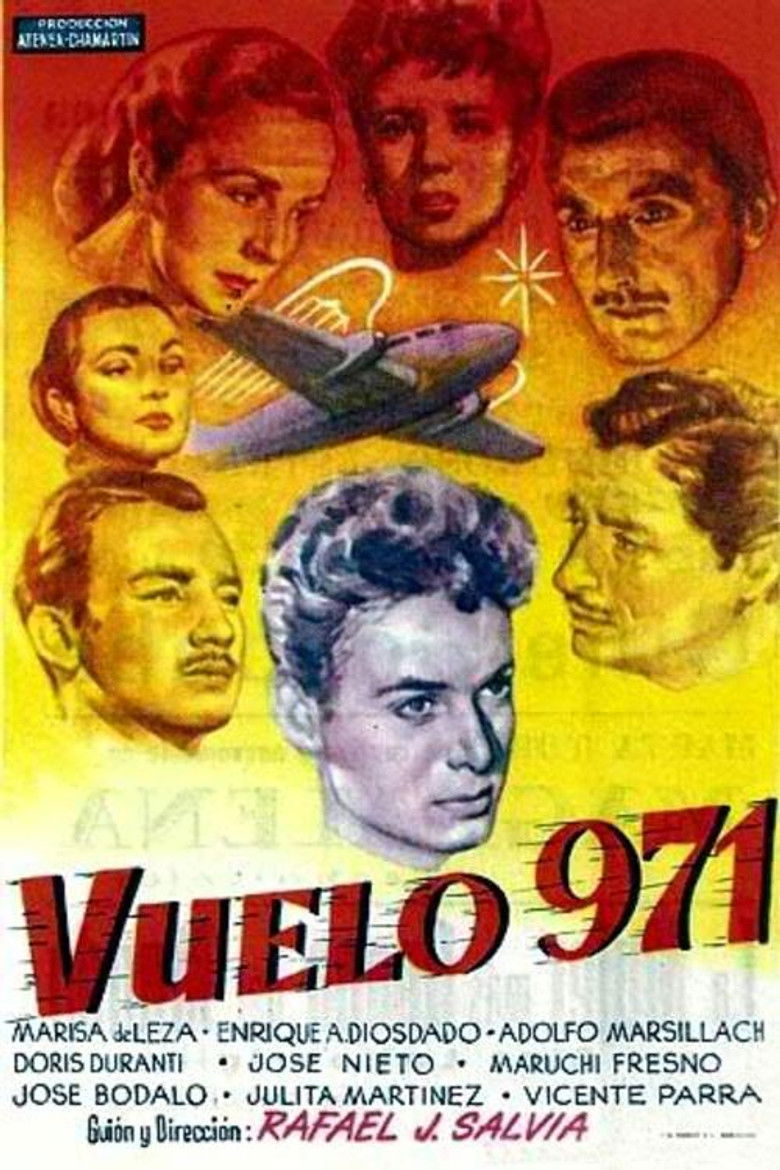
Vuelo 971
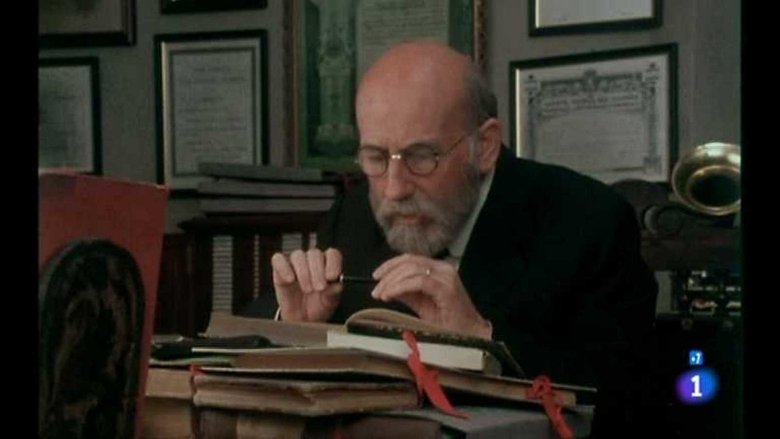
Ramon y Cajal
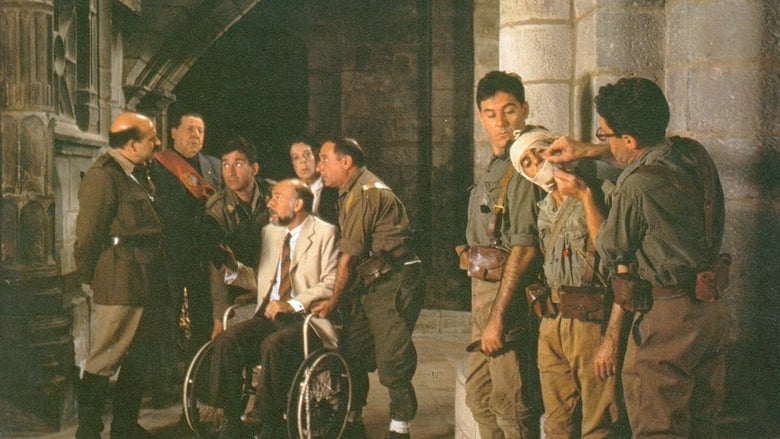
The Heifer
During the Spanish Civil War a platoon of mismatched Republican soldiers cross the front-line to steal the bull that the enemy is going to fight on the local holiday of the nearby village. In addition to ruining the Nationalist faction's celebration they want the animal in order to butcher it and feed their famished troops. They get caught in the process and have to go through a series of funny and pathetic incidents before they can get back to their side.

Mi calle
Life events around a city street and its residents are told along the years while time goes by, wars break out and end and life evolves.

Near the city
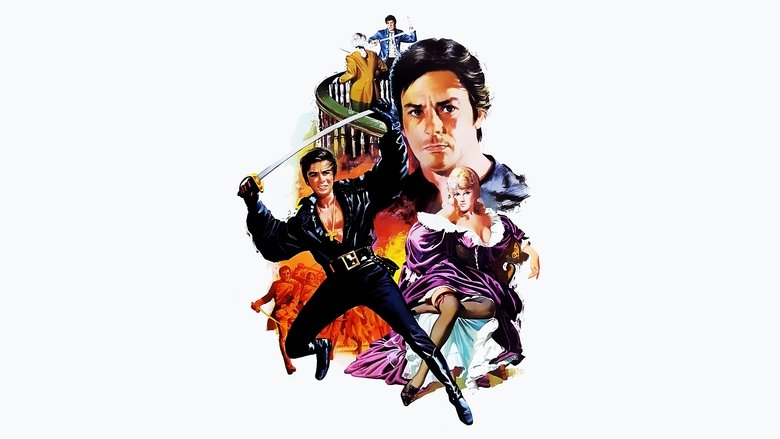
The Black Tulip
Aristocrat Guillaume de Saint Preux leads a double life as a masked bandit known as the Black Tulip. The Black Tulip only robs rich aristocrats, so the local peasants regard him as a hero. Baron La Mouche is convinced Guillaume is the Tulip. During a robbery, he scars the Tulip's face, and hopes to use this to expose Guillaume, but Guillaume is one step ahead.
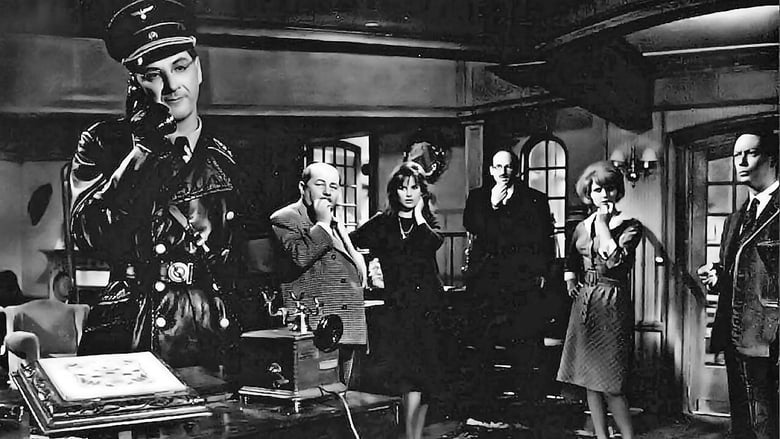
Champagne for Savages
A diverse group of friends gather to celebrate a witless woman's birthday in this comedy drama set in France during World War II. The guests include an uncle who is a Nazi collaborator, a blind war veteran, a simpering physician, an arrogant educator, a patriotic girl, and the husband of the guest of honor. When some German soldiers are killed outside the house, the group is told by the Gestapo that they must choose among themselves two who will be shot if the killer is not caught. If two victims are not chosen, all seven at the party will be captured. Things sound pretty grim, but the black comedy begins when all seven try to save themselves by any means possible.
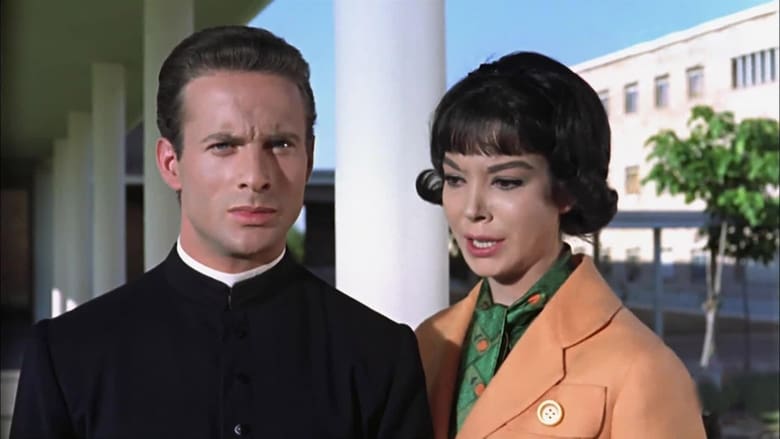
Alegre juventud
Luis, Julio, Miguel and Carlos are four young men who, moved by a strong religious vocation, have left behind family, friends, work and a love of youth to enter a seminary and start a life consecrated to God.
Filmography
as Self (archive footage)
as Casimiro Casals
as Carlos III
as Juan Bautista Salgado (segment "Delirio 1")
as Marqués
as José Manuel Varela
as Santiago Ramón y Cajal
as Emilio
as Julio Hernández / Soledad
as Francesc Cambó
as Everardo / father
as Cesar del Rio
as Víctor Quintanar
as Conde de Añobre
as Víctor Escuder
as Gómez
as Actor en 'Rapiña en Golden City' (uncredited)
as le docteur
as Baron La Mouche
as Toni 'El Jefe'
as Padre Ramón
as Daniel Romero
as Daniel Ferrero
as López
as Gonzalo
as Andrés Martín
as Marcelino
as Padre Herrera
as Doctor
as Felipe II
as Capitán Centellas
as Padre José
as Darío Rueda