

Aglaja Schmid
Acting
Biography
No biography available for Aglaja Schmid.
Born: August 9, 1926
Place of Birth: Scheibbs, Austria
Known For
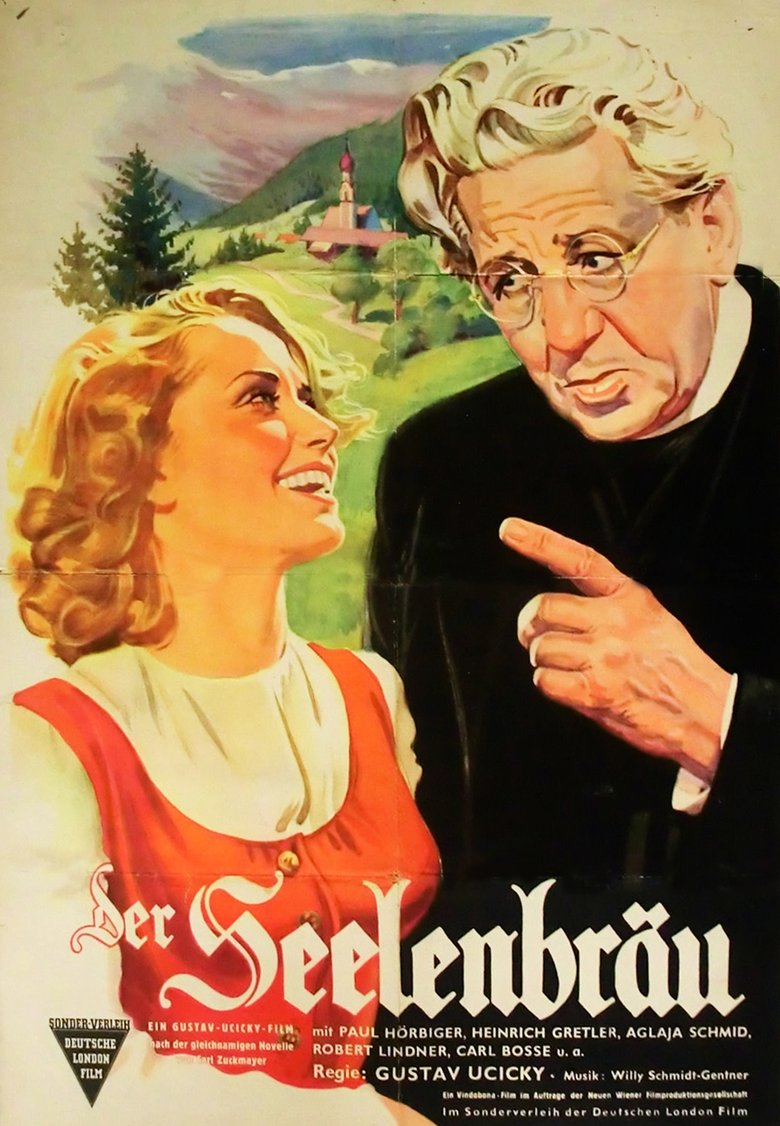
Der Seelenbräu
In Alt-Köstendorf in the Salzburg region, the dean, known as Seelenbräu, and the brewer Hochleithner, known in the village as Leibesbräu, are fighting for supremacy. As their nicknames suggest, Leibesbräu is primarily concerned with the physical well-being of the villagers, while Seelenbräu cares deeply about the faith of his congregation. This leads to repeated clashes between the two men, who could perhaps be described as stubborn. When Hochleitner's niece Clementine leaves the convent and wants to stay at home, a new dispute flares up between Seelenbräu and Leibesbräu.

The Trial
In 1882 a country girl disappears from a small Hungarian village. The inhabitants suggest that she was murdered by the Jews. Everything is done to accuse them before the trial. A study in stubbornness, racism and intolerance and how to fight against it.
The Trial
In 1882 a country girl disappears from a small Hungarian village. The inhabitants suggest that she was murdered by the Jews. Everything is done to accuse them before the trial. A study in stubbornness, racism and intolerance and how to fight against it.
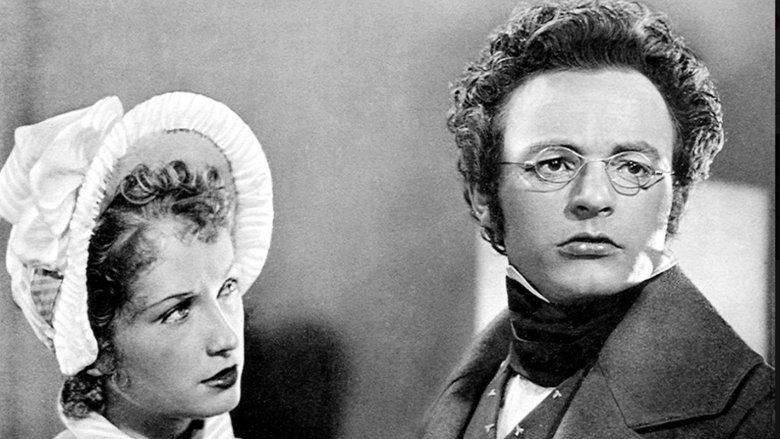
Franz Schubert – Ein Leben in zwei Sätzen
Franz Schubert toils by day as his father’s clerk while secretly composing in Beethoven’s shadow, gaining little recognition until friends persuade publisher Diabelli to host a public performance where he meets and falls for soprano Therese Grob. Abandoning a teaching career, he moves in with artist and poet friends, finds inspiration for the “Erlkönig,” and together with Therese sustains himself by performing his songs.
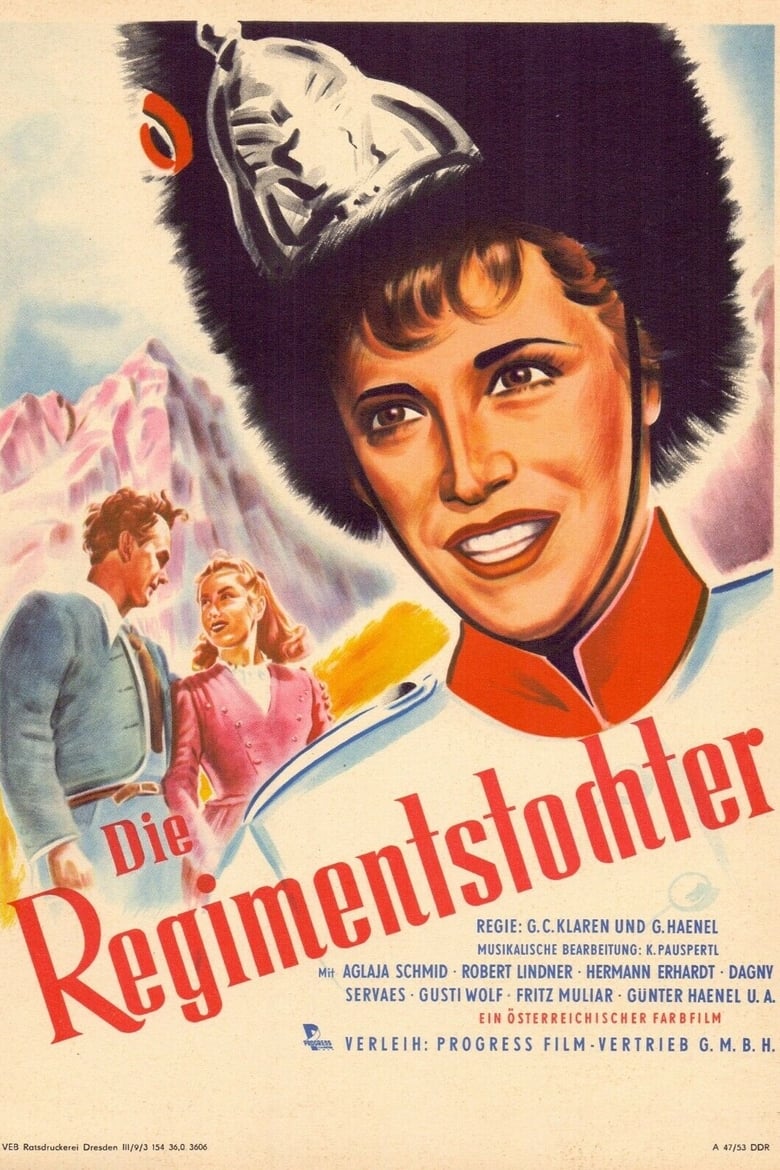
Die Regimentstochter
A Tyrolean rifle regiment adopt a young baby girl they have rescued and she becomes the "Daughter of the Regiment". In 1811, as a full-grown woman she falls in love with one of the new recruits while the regiment battles French forces during the Napoleonic Wars.

The Other Eye
This film essay explores the strange case of G.W. Pabst, the Austrian filmmaker who was considered a giant of early cinema before his reputation went behind a cloud.
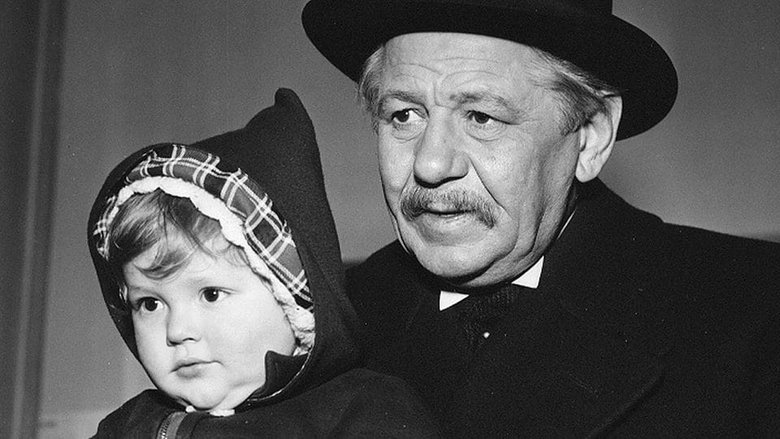
My Name is Niki
Winnie is desperate and doesn't know what to do next. She is about to marry her lover Paul, who has returned from war captivity. Both want to emigrate to America short after marriage. But the young woman has an illegitimate one-and-a-half-year-old son, whom she has kept secret from her fiancé. The short-tempered Paul would never understand that. When she is on her way to the orphanage, the grumpy senior civil servant Hieronymus Spitz and his little dog Tobby get into her train compartment. After a short observation, Winnie is certain that the misantrope actually has a good heart, because he lovingly takes care of his dog. Without further ado she leaves little Niki with the tax accountant and disappears from the train. Only a note with a request remains. The overwhelmed old gentleman initially wants to get rid of the child, but then takes it home and takes care of it together with his housekeeper. Both take the bundle of joy to their hearts. But then everything turns out differently.
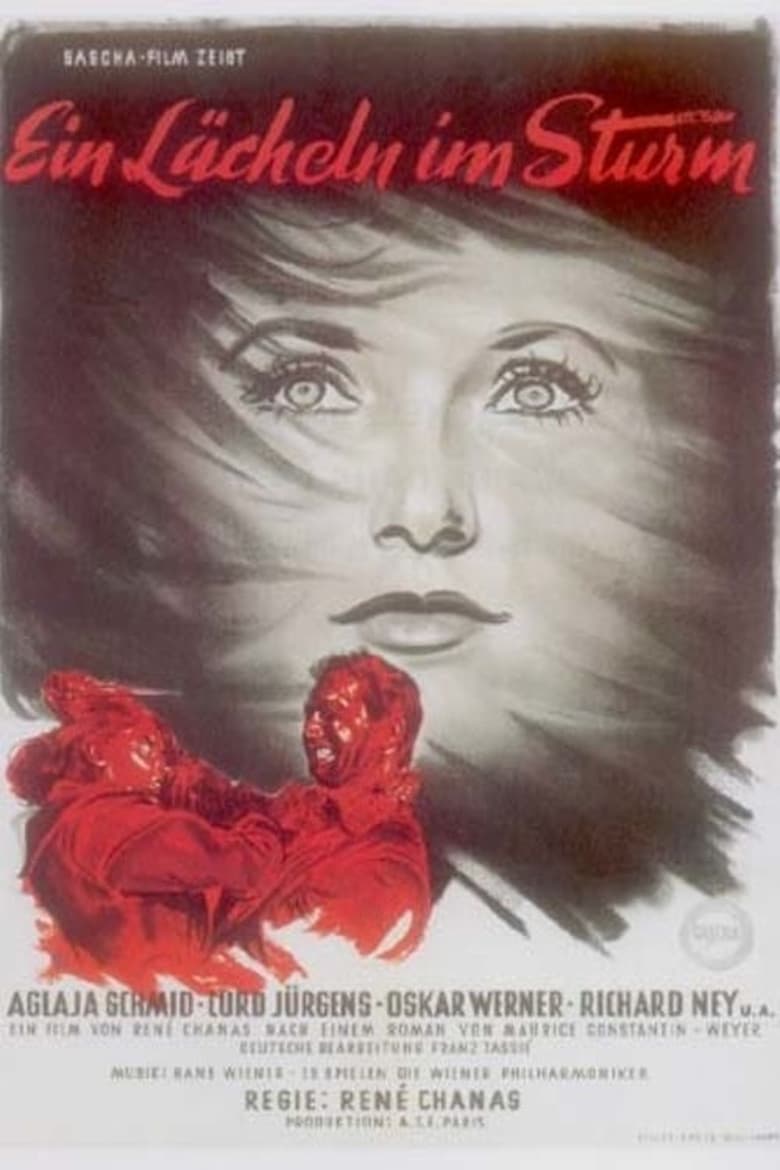
Ein Lächeln im Sturm
Katrina Mercier and her husband arrive in Canada's far north to run a trading post. Another trading post owner, Langrand, and police sergeant Spenlow, the only two civilized people in the area, fall in love with Katrina. They follow the husband and wife as they head further north for a chance that, until now, the husband has been reluctant to take. One day, Mercier catches his partner, an adventurer, trying to take advantage of Katrina; he kills him but is wounded. The couple and the two other whites attempt to return south, but Mercier dies of his wound along the way. Caught in a storm, the three survivors get lost; the dogs abandon them. Spenlow, realizing that Katrina loves Langrand, sacrifices himself to leave them his supplies; he is devoured by wolves. Langrand and Katrina are saved in extremis by a hunter.
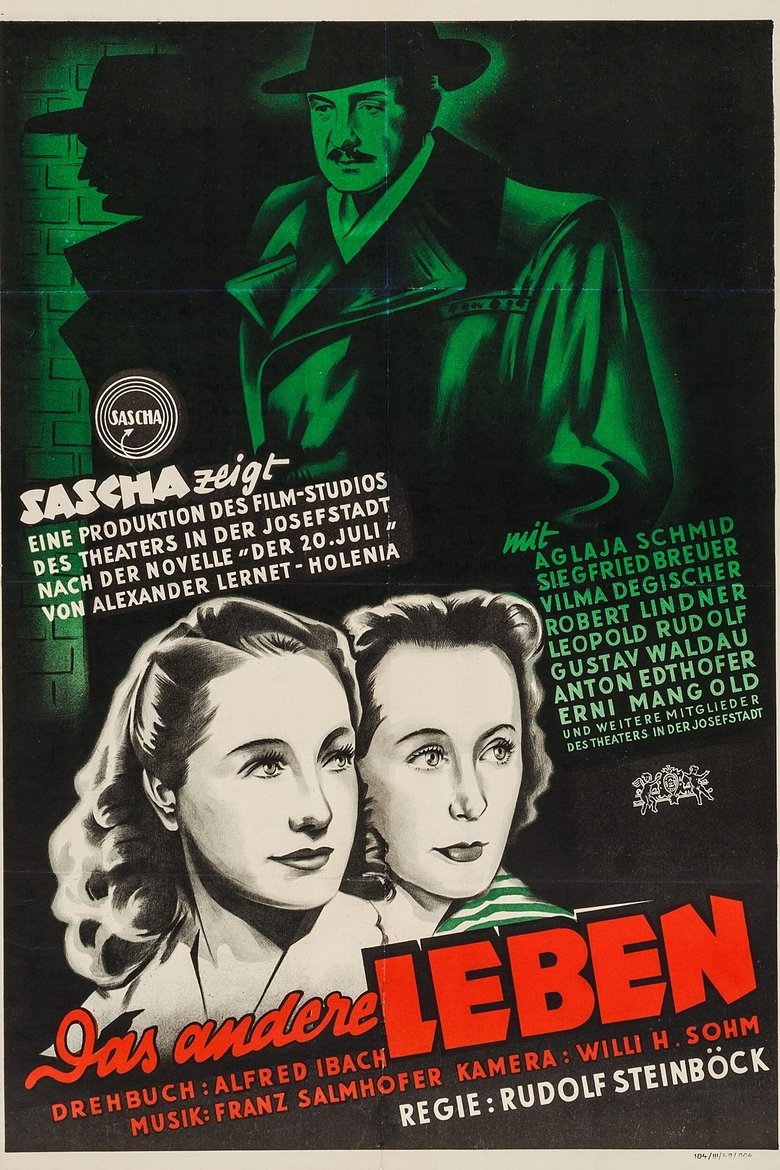
Das andere Leben
The film tells the story of a young Jewish woman who, during the Nazi era, is hidden by her friend, treated in a hospital using her identity papers, and dies there. As a result, her friend loses her official identity. For the first time, the question of the behavior of friends, neighbors, caretakers, and strangers during the persecution of Vienna's Jewish population is raised. Ostensibly, "The Other Life" is a gripping play on identity, but overall, it is an astonishing demonstration of the civil courage of Alexander Lernet-Holenia (1897-1976), who, shortly after the war, addressed the then-taboo subject of the persecution of the Jews in his literary work. The ambitious film studio of the Theater in der Josefstadt, which did not last long, took up the material and filmed it with the theater's actors.

Dreaming Days
The Berger couple want to enjoy their vacation in the mountains, a break that they both deserve. Because Maya suffers from strong emotional swings and feels constrained by the concerns of her husband, who is successful in the hospitality industry. Things don't improve during the holidays, and tensions between the two even escalate when Maya gets involved with a mountain guide. But even this brief affair ends in tragedy: the lover is struck by lightning on a tour and falls to his death.
Filmography
as Self
as Elisabeth von Valois
as Therese Grob
as Marie
as Winnie
as Katrina Mercier
as Maja Berger
as Clementine Hochleithner
as Esther Solymosi, das verschwundene Mädchen
as Esther
as Elisabeth Josselin