
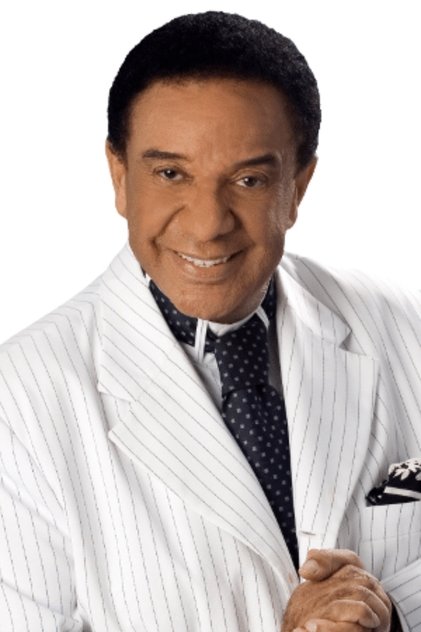
Agnaldo Timóteo
Acting
Biography
No biography available for Agnaldo Timóteo.
Born: October 16, 1936
Place of Birth: Caratinga, Brazil
Known For
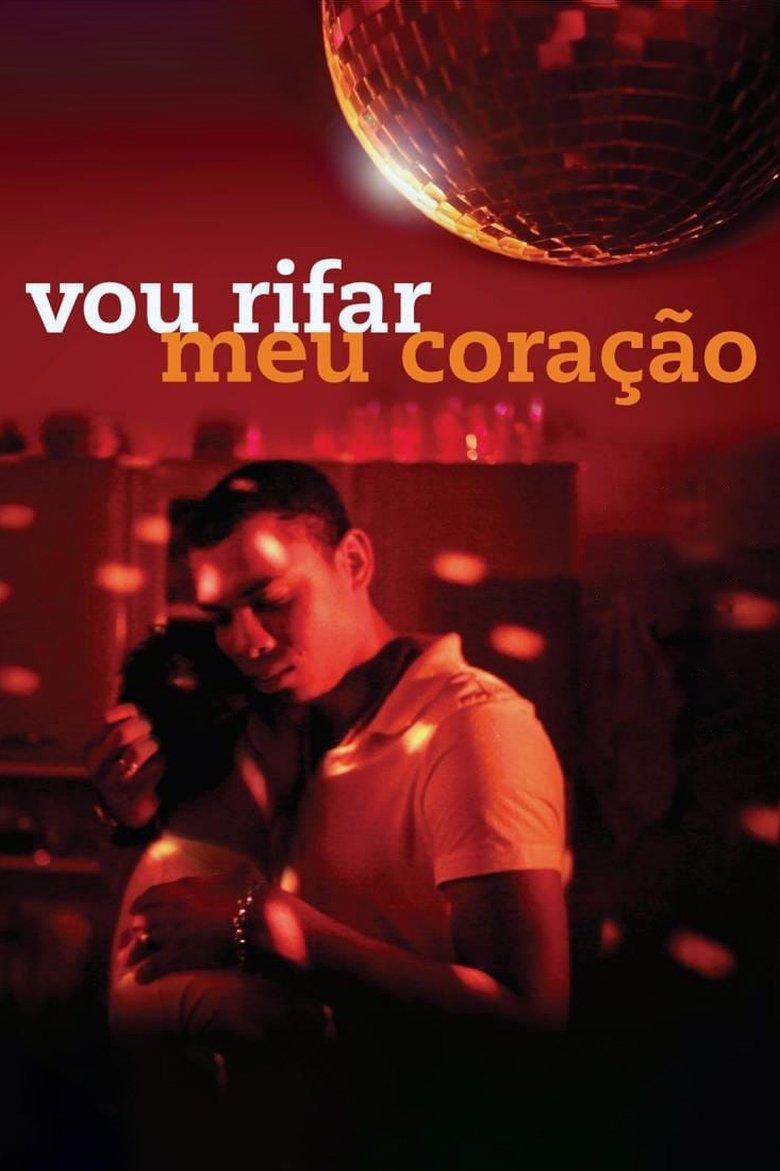
I Will Raffle Off My Heart
Vou Rifar Meu Coração is a documentary about the performers and the followers of Brazilian romantic music – also known as brega (kitsch), often called "cheesy" by critics and the wealthy elite. Frequently associated with bad taste and poor quality, the style is admired by the lower working class, or unemployed population, originally from rural origins, banished to the cities in search of work and a better life. Using the music as a catalyst, this documentary shows the sentiments, love, suffering and sexuality of the fans and their idols, creating a scenario that reveals their practices and desires.

The Trapalhões
Os Trapalhões was a Brazilian comedy group and also a Brazilian television series created by Wilton Franco. Its members were Dedé Santana, Zacarias, Mussum and their leader Didi Mocó, that was played by Renato Aragão. The name Trapalhões is derived from the Portuguese verb atrapalhar, which means the opposite of helping, to do something the wrong way or to Those that confuse. The name is translated "Tramps" in English DVD subtitles. It was aired by Rede Globo from 1977 to 1999. On March 18, 1990, Zacarias died due to respiratory failure, but the group and the series didn't come to an end until July 29, 1994, when Mussum died due to an unsuccessful heart transplant.

Clara
Orphaned by father and mother, Clara has always dreamed of building a singing career. At the age of 16, she moved to Belo Horizonte, where she won the ABC Golden Voice contest. In 1966, she recorded her first vinyl: A Adorable Voice by Clara Nunes. The approach to samba made her achieve the longed for success, in addition to international repercussion. Clara Nunes revolutionized the music industry, becoming the first woman to break the barriers imposed by the record label.
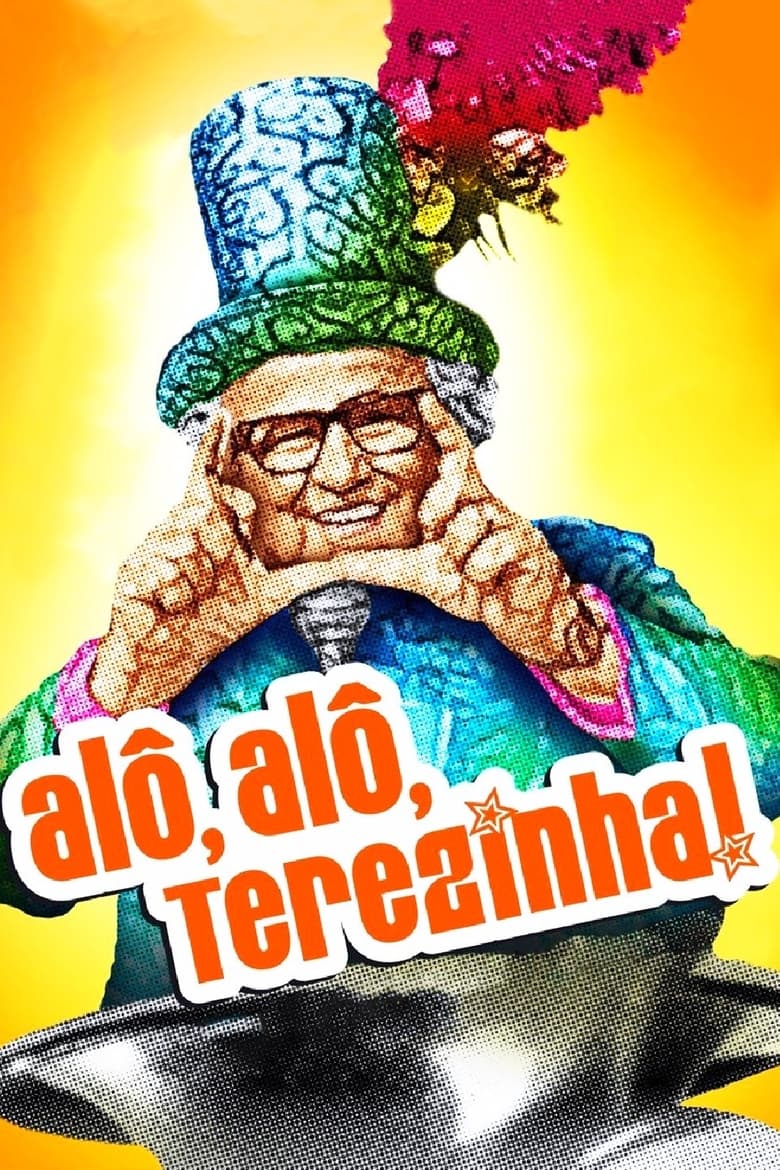
Hello, Hello, Terezinha!
Hello, Hello, Terezinha! is a feature-length documentary about the country's biggest communication phenomenon. Politically incorrect, radical, renewing, Chacrinha changed Brazilian television forever and expressed a Brazil that was around it, but was not perceived. The film tells the great adventure of Abelardo Barbosa through the eyes of the presenter. It gathers the nuclei of its constellation - chacretes, fledglings and artists who passed through its programs - to identify their individualities and their emotions.
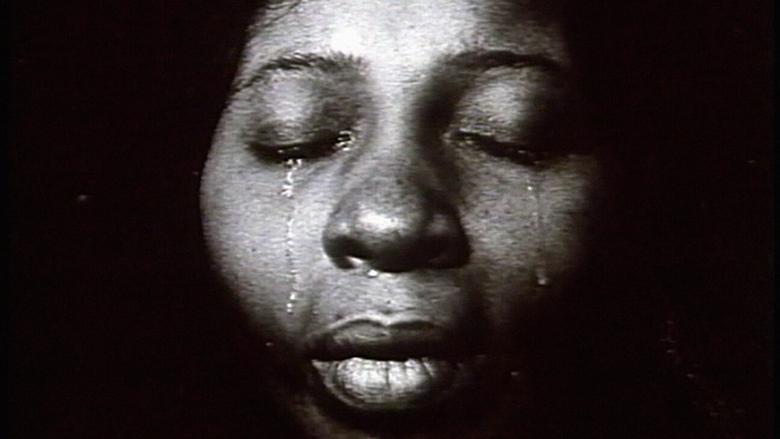
Abolition
In 1988, the centenary of abolition of slavery in Brazil, Zózimo Bulbul made this powerful historical analysis of racial issues in his country. This documentary provides an in-depth look through extensive archival researching and interviews of key figures who were involved in preserving black culture. Aside from historical testimony, this epic documentary also points to the current relevance of facing the racism that still confronts the black population in Brazil.
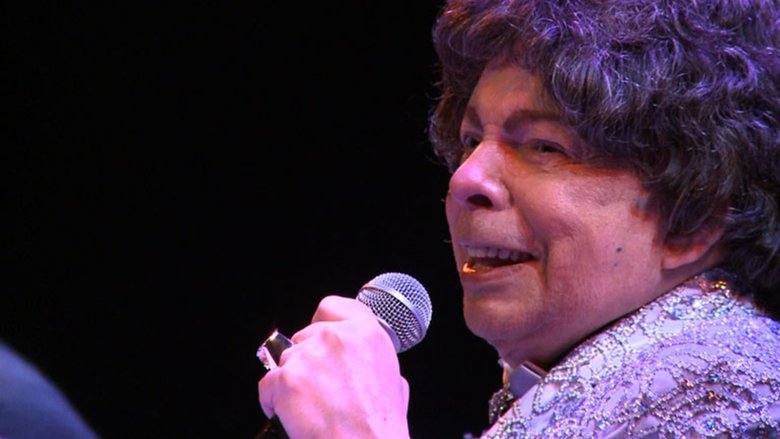
Cauby: Começaria Tudo Outra Vez
The film discusses decisive moments in the life and career of Cauby Peixoto. In addition to interviews and recordings of the singer's concerts, the film uses testimonials from fans and artists such as Maria Bethânia, Emílio Santiago, Agnaldo Timóteo and Agnaldo Rayol, in addition to researchers Ricardo Cravo Albin and Rodrigo Faour.
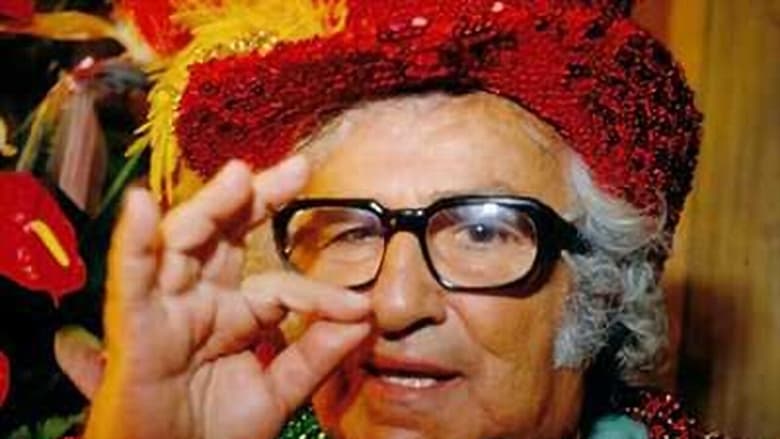
Chacrinha: Eu Vim para Confundir e Não para Explicar
Chacrinha's legacy on TV and excerpts from his personal life are revealed through testimonials and archive images, which tell the story behind the cameras, the behind the scenes that consolidated a new way of communicating Brazil and the facets of a man who is one of the most interesting contemporary characters on the national cultural scene.

Grandes Nomes
Filmography
as Himself
as Self
as Himself
as Self