
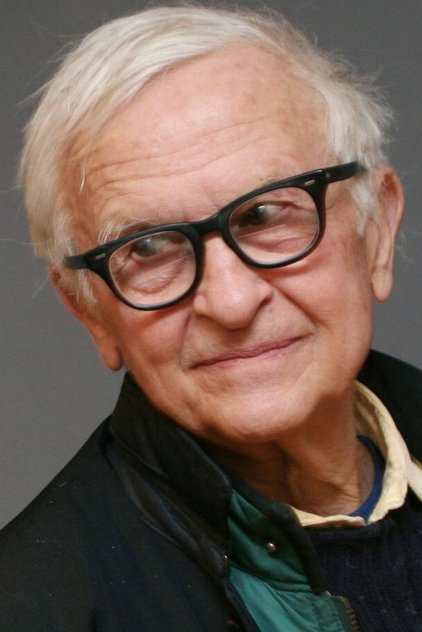
Albert Maysles
Directing
Biography
Albert Maysles (with his brother David) was an American documentary filmmaker known for his work in the "Direct Cinema" style. Their best-known films together include Salesman (1969), Gimme Shelter (1970) and Grey Gardens (1975).
Born: November 26, 1926
Place of Birth: Brookline, Massachusetts, USA
Known For
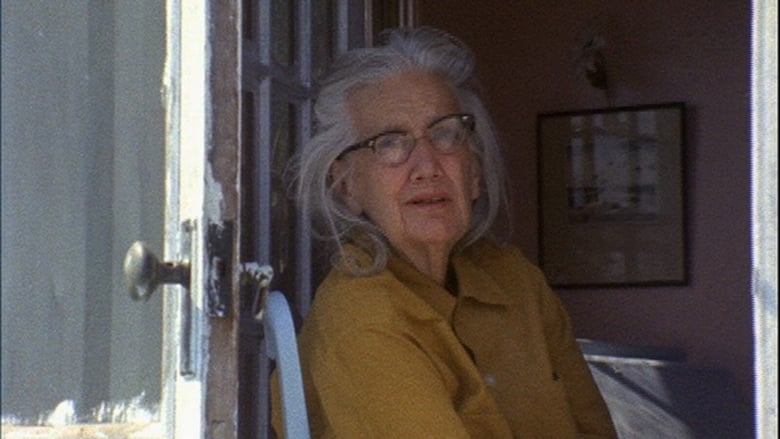
The Beales of Grey Gardens
Mother and daughter - Big Edie and Little Edie Beale - live with six cats in a crumbling house in East Hampton. Little Edie, in her 50s, who wears scarves and bright colors, sings, mugs for the camera, and talks to Al and David Maysles, the filmmakers. Big Edie, in her 70s, recites poetry, comments on her daughter's behavior, and sings "If I Loved You" in fine voice. She talks in short sentences; her daughter in volumes. The film is episodic: friends visit, there's a small fire in the house, Little Edie goes to the shore and swims. She talks about the Catholic Church. She's ashamed that local authorities raided the house because of all the cats. She values being different.
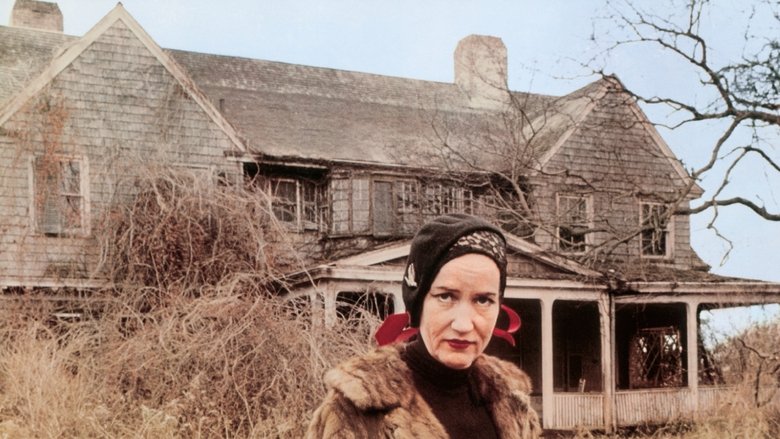
Grey Gardens
Edie Bouvier Beale and her mother, Edith, two aging, eccentric relatives of Jackie Kennedy Onassis, are the sole inhabitants of a Long Island estate. The women reveal themselves to be misfits with outsized, engaging personalities. Much of the conversation is centered on their pasts, as mother and daughter now rarely leave home.

Gimme Shelter
A detailed chronicle of the famous 1969 tour of the United States by the British rock band The Rolling Stones, which culminated with the disastrous and tragic concert held on December 6 at the Altamont Speedway Free Festival, an event of historical significance, as it marked the end of an era: the generation of peace and love suddenly became the generation of disillusionment.
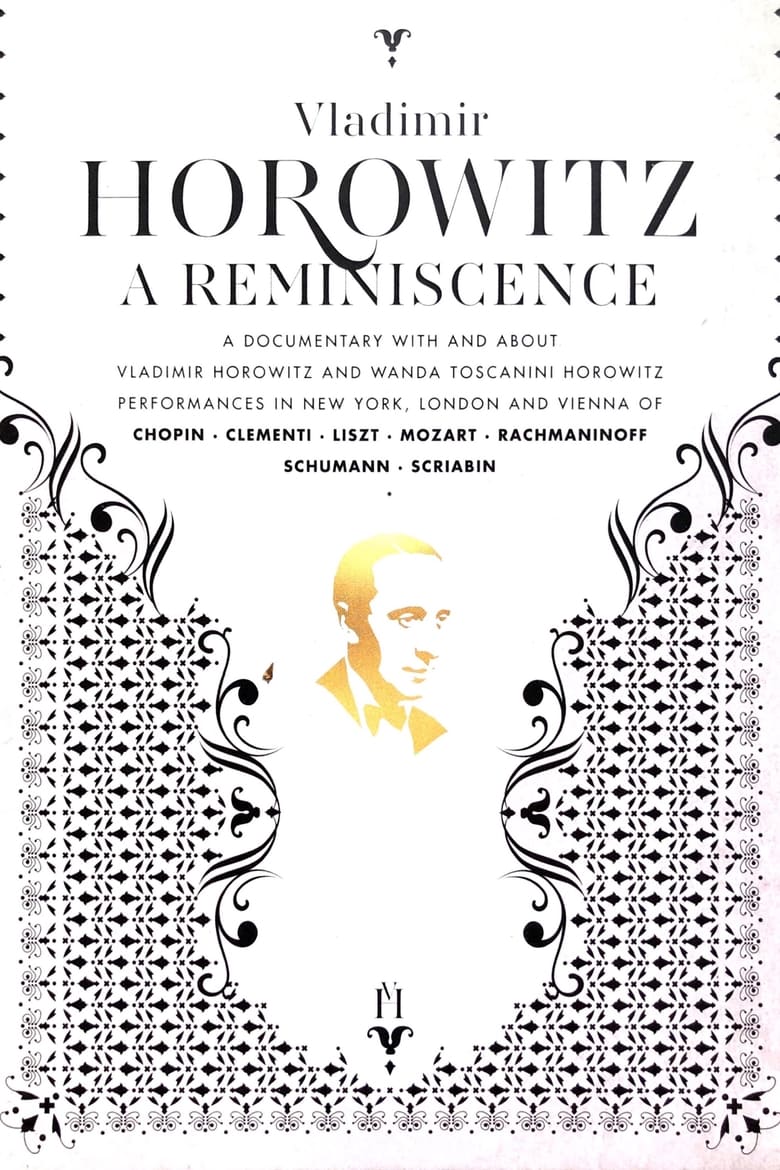
Horowitz: A Reminiscence
Wanda Horowitz reminisces about her husband, the great pianist Vladimir Horowitz, with clips from his television appearances.
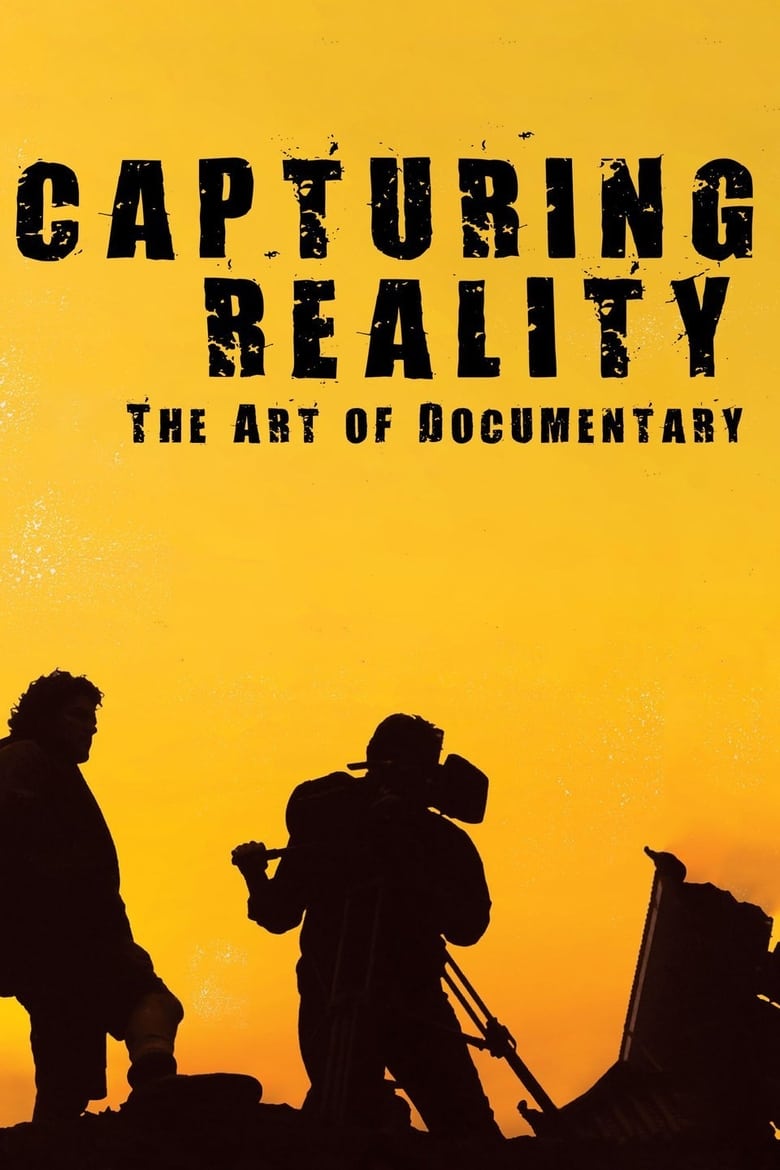
Capturing Reality
From cinema-verite; pioneers Albert Maysles and Joan Churchill to maverick movie makers like Errol Morris, Werner Herzog and Nick Broomfield, the world's best documentarians reflect upon the unique power of their genre. Capturing Reality explores the complex creative process that goes into making non-fiction films. Deftly charting the documentarian's journey, it poses the question: can film capture reality?
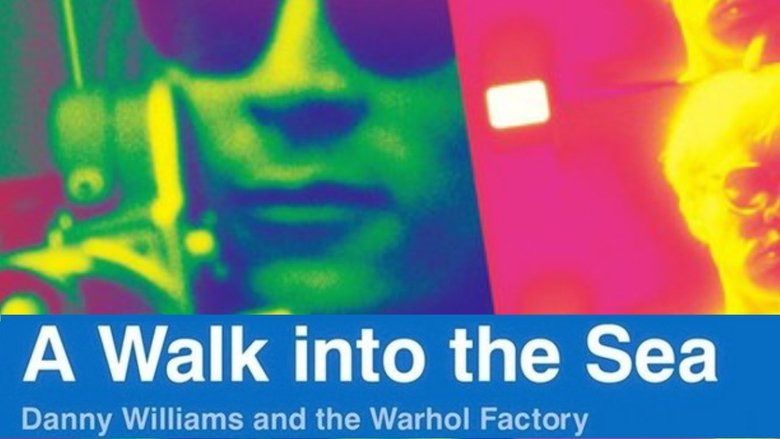
A Walk Into the Sea: Danny Williams and the Warhol Factory
Esther Robinson's portrait of her uncle Danny Williams, Warhol's onetime lover, collaborator and filmmaker in his own right, offers a exploration of the Factory era, an homage to Williams's talent, a journey of family discovery and a compelling inquiry into Williams's mysterious disappearance at age 27.
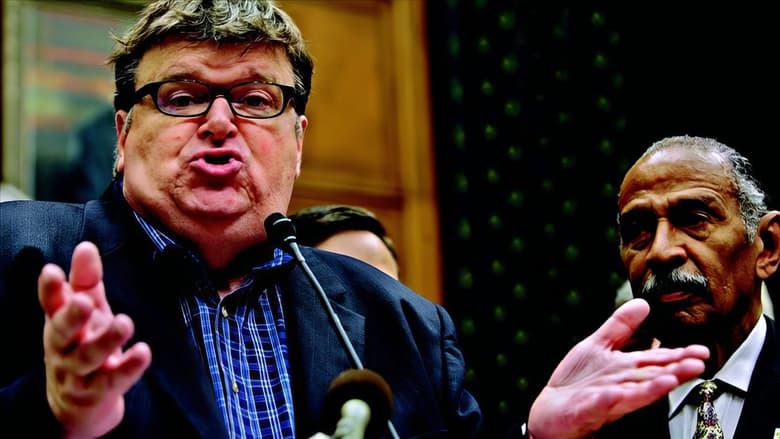
Michael Moore Hates America
Michael Wilson, like the subject of his film, is trying to get an interview with a multi-millionaire; however, in this case, that millionaire is Michael Moore himself.

Mario Ruspoli, Prince of the Whales
Colleagues, friends and specialists pay tribute to the filmmaker Mario Ruspoli in a portrait that mixes encounters, archive images and film excerpts. With testimonies from Richard Leacock, Albert Maysles, Edgar Morin, D.A. Pennebaker and others.

Morris Engel: The Independent
Short documentary on the life and work of photographer and filmmaker Morris Engel
Albert Maysles: The Poetic Eye
It delves into the character and life of Albert Maysles, who, with his brother David, created some of the most well known and iconic documentaries of the 20th century. Film extracts include Meet Marlon Brando (1965) Salesman (1968) Gimme Shelter (1970) Grey Gardens (1976)
Filmography
as Self
as Self
as Self
as Self (Archive Footage)
as Self (uncredited)
as Self