
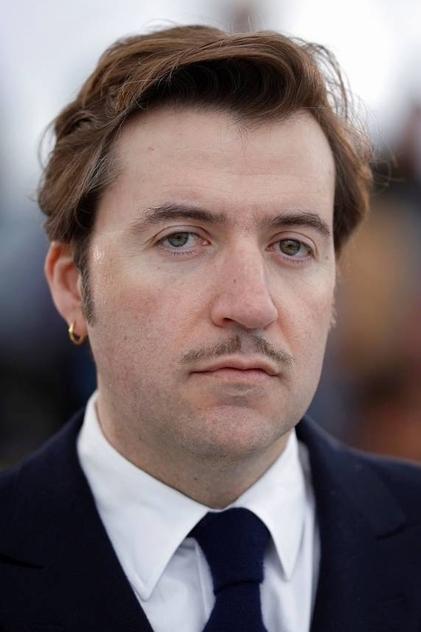
Albert Serra
Directing
Biography
Albert Serra ([əɫˈβɛrt ˈsɛrə]; born October 10, 1975; Banyoles, Catalonia) is a Spanish filmmaker, contemporary artist and manager of the production company Andergraun Films, set up by Montse Triola primarily to produce Serra’s films. Besides writing, directing and producing films, Albert Serra writes and produces plays. Graduated in Spanish literature and comparative literature at the University of Barcelona, where he also studied art history. Serra has been called “one of the most singular and radical filmmakers working today.” He is also a big fan of classical music and chess. “I’m not interested in forcing a meaning onto a filmic story. In fact I’d even rather the audience know more than I do about the meaning of my films.”
Born: October 9, 1975
Place of Birth: Banyoles, Catalonia, Spain
Known For
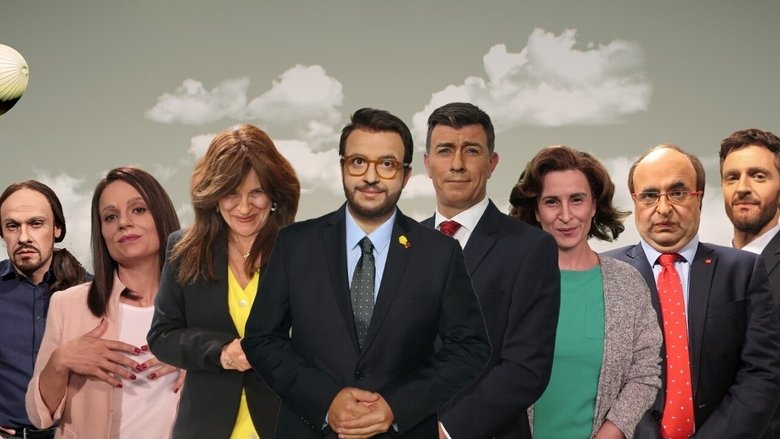
Polònia
"Polonia" is a humorous space based on political satire. Each week, an analysis of current events is carried out through a series of sketches where the protagonists are politicians, journalists and media people. "Polonia" was released on TV3 on February 16, 2006. In 2007, he won the Ondas Award for the best local television show. In 2011 he won the ATV Make-up Award. In 2012 he won the Zapping award for the best entertainment program. At the moment its eighth season is emitting. The seventh season closed with an average of 595,000 spectators and 18% share of screen. Seven years later, the program has almost 8,400 minutes of gags, more than 350 imitated characters and more than 3,850 sketches written, recorded and emitted. If you want to know more about this program, visit the official website of "Polonia"
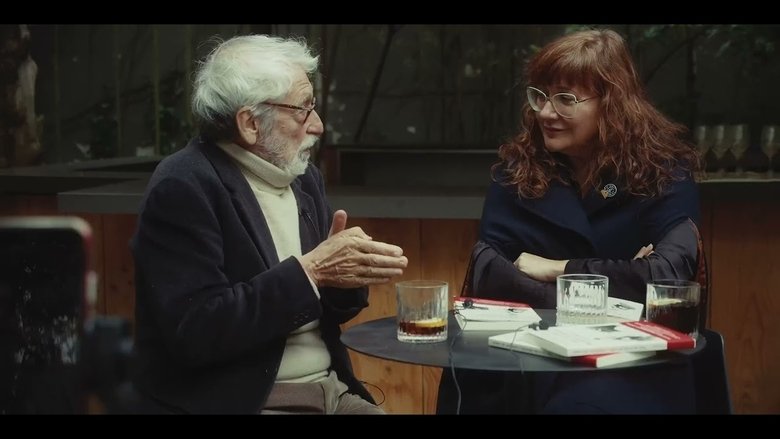
God Sees It
God Sees It is a journey into the creative universe of Oscar Tusquets, one of the most fascinating figures of the last sixty years as well as one-of-a-kind character of the gauche divine, in whose mind art, irony, and rebellion coexist. The film traces an inimitable career, from his beginnings in Barcelona, quietly rebelling against the backdrop of the dictatorship, and his collaborations with Salvador Dalí, to his interventions in the Palau de la Musica Catalana or the unique Toledo metro station in Naples. If this is not enough, the film is filled with reflections and conversations on art with friends like Miquel Barceló, Albert Serra, Mario Vargas Llosa or Julia de Castro.
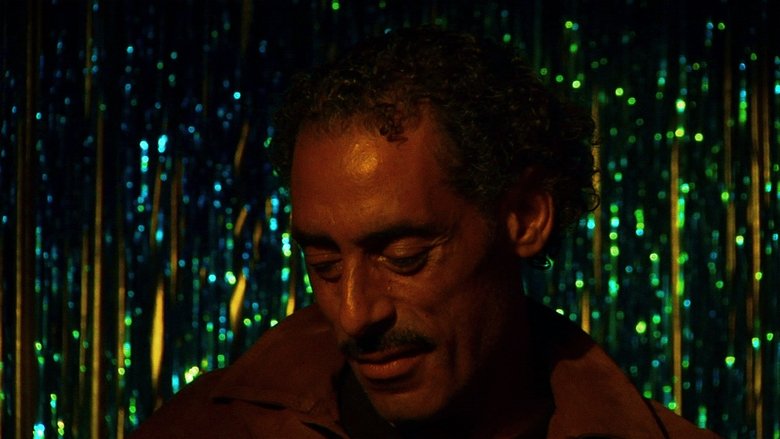
Cubalibre
An homage from Serra to one of his idols, Rainer Werner Fassbinder, shot in a nightclub full of characters that resemble the ones of Fassbinder films. The title comes from the favourite drink of “Beware of the Holy Whore” characters.
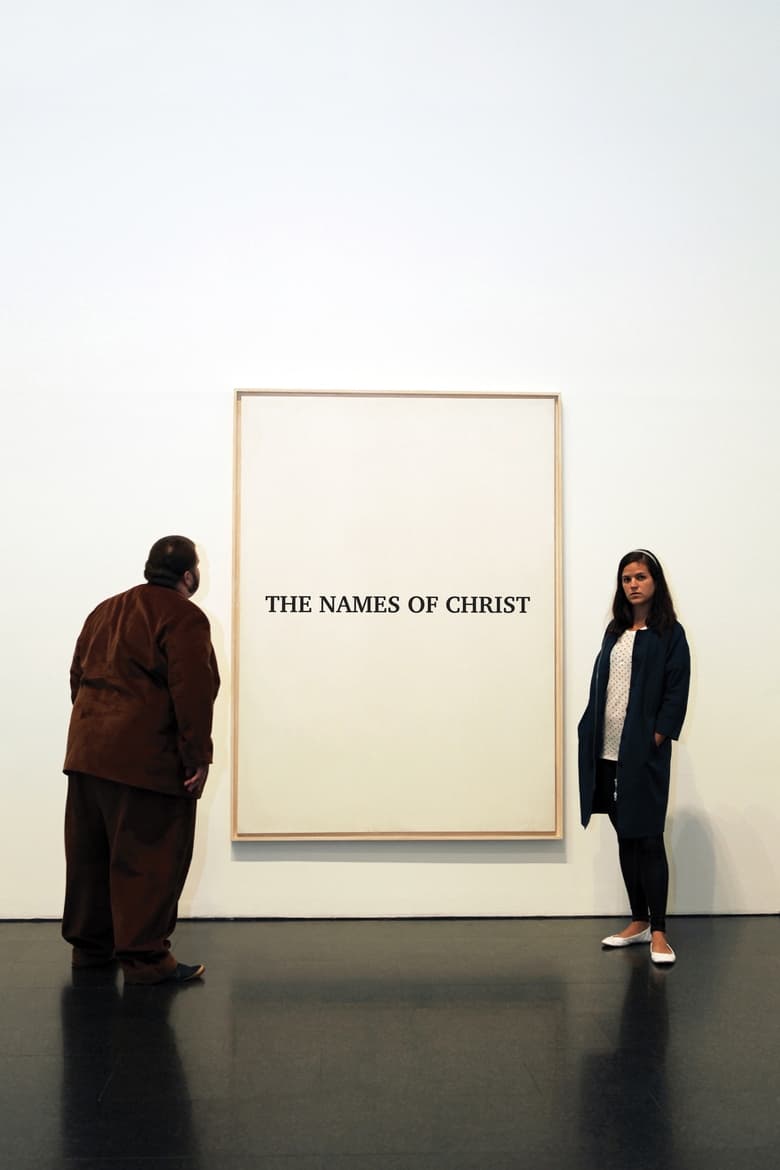
The Names of Christ
Episodic film, divided into 14 chapters, based on the play De los nombres de Cristo (1586), by Fray Luis de Leon and intended for exhibition "Are You Ready for TV?". Filmed partly in the rooms of MACBA (Museu d'Art Contemporani de Barcelona), is about the difficulty of naming or visually represent abstract concepts.
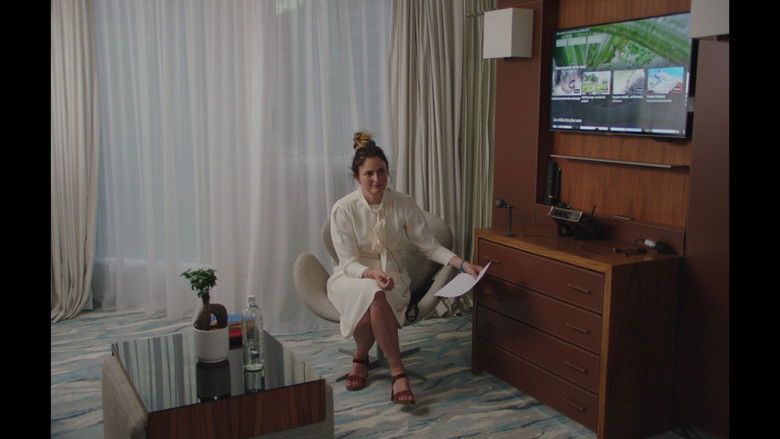
Room 999
In 1982, Wim Wenders asked 16 of his fellow directors to speak on the future of cinema, resulting in the film Room 666. Now, 40 years later, in Cannes, director Lubna Playoust asks Wim Wenders himself and a new generation of filmmakers (James Gray, Rebecca Zlotowski, Claire Denis, Olivier Assayas, Nadav Lapid, Asghar Farhadi, Alice Rohrwacher and more) the same question: “is cinema a language about to get lost, an art about to die?”
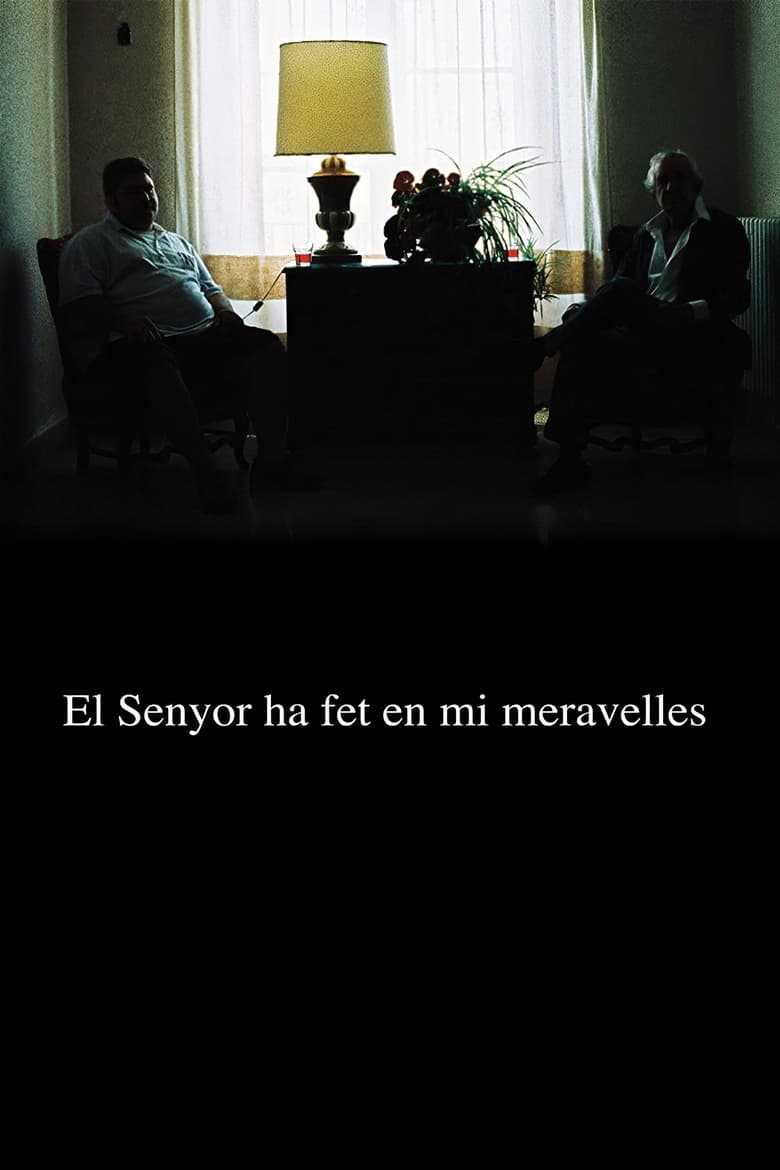
The Lord Worked Wonders in Me
Part of the crew of Honor of the Knights travels to La Mancha to see the real settings of Quixote’s life in order to shoot a film.
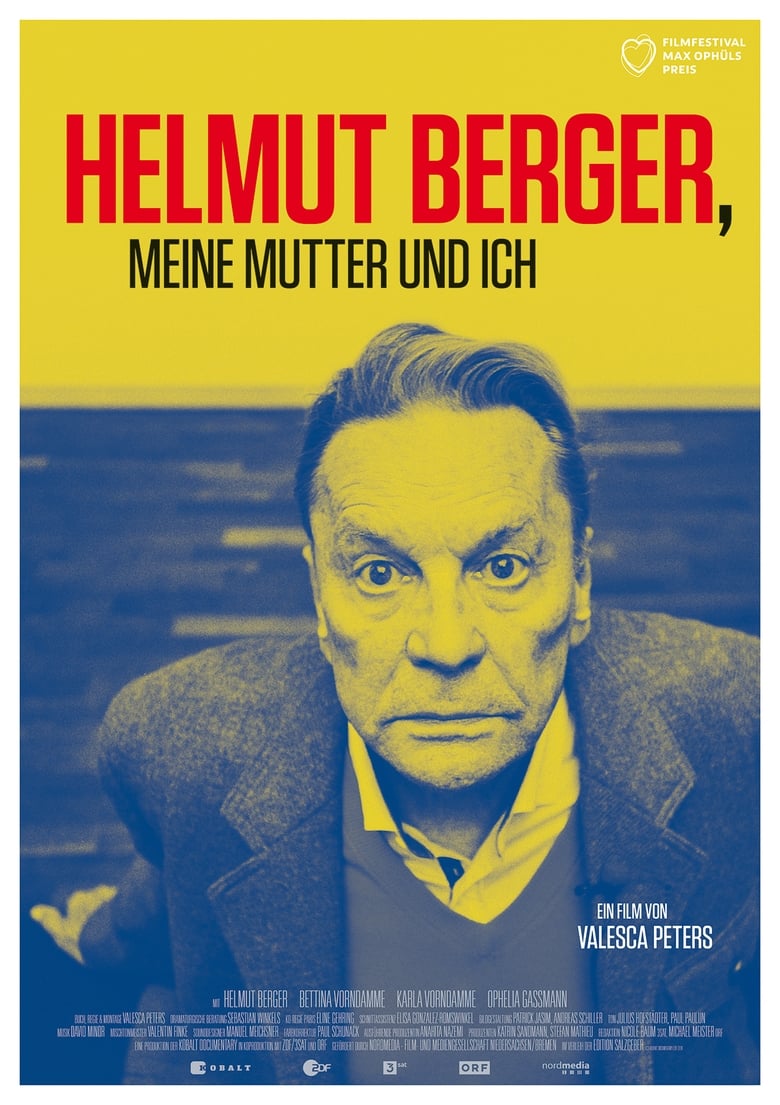
Helmut Berger, My Mother and Me
My mother googles the film hero of her youth: Helmut Berger. She is shocked: only an addicted shadow of the former icon seems to be left. She decides to halt the obvious catastrophic decline of the once “most handsome man in the world”. As a consequence, this one-time god of the screen is suddenly sitting on my mother’s sofa in Nordsehl in Lower Saxony. And he stays put - for several months. While he trustingly rolls out his whole life before us, the dividing lines between film team, world star and family intermingle. This is a film about ageing, rising and falling - and about the fact that it is sometimes possible to regain an element of dignity in life.
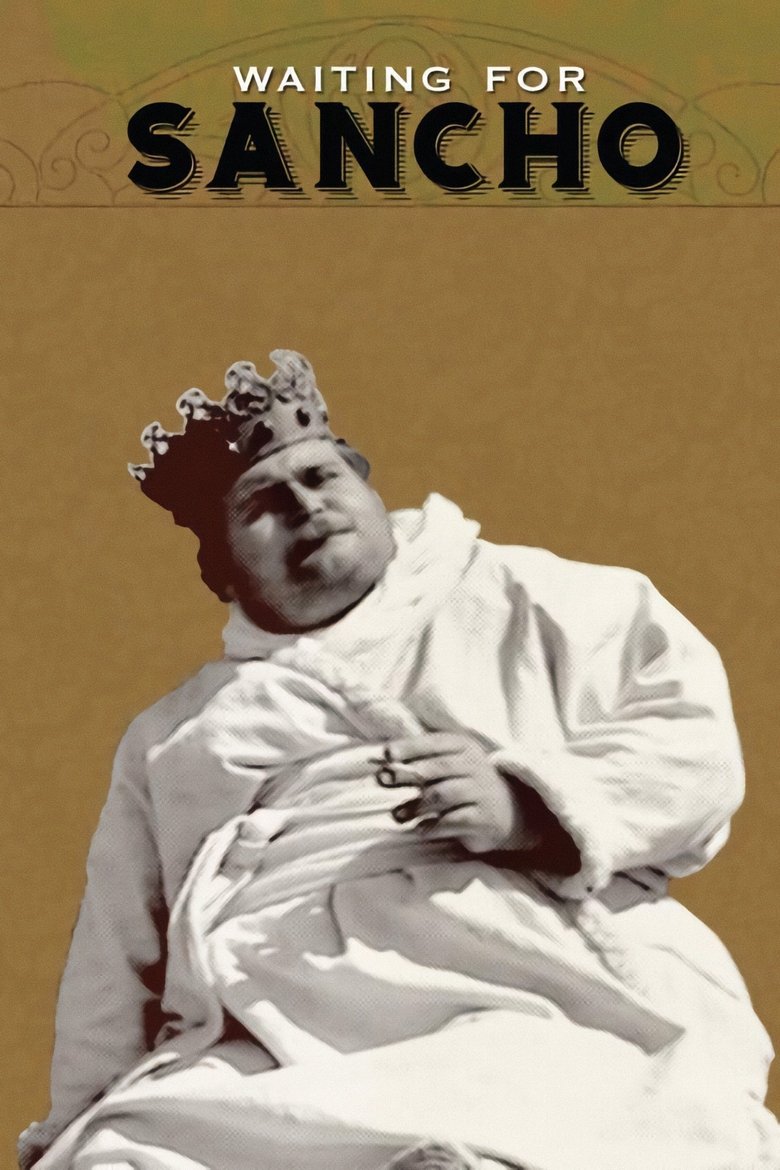
Waiting for Sancho
Waiting for Sancho is an ontological investigation into a place where cinema becomes something more than cinema. Filmed in high-definition colour over five days in the Canary Islands of Fuerteventura and Tenerife, Waiting for Sancho is a kind of experimental “making of” the critically acclaimed El cant dels ocells (Birdsong_/_Le chant des oiseaux). A particular take on the Biblical story of The Three Kings en route to the baby Jesus, El cant dels ocells premiered at the Quinzaine des Realisateurs at Cannes 2008.

Cinematic Correspondences: Albert Serra – Lisandro Alonso
The exhibition 'The Complete Letters' features epistolary works defined by cinematographic creation. This is an experimental communication format used between pairs of film directors. Although each director is situated in a location geographically distant from that of their partner, they are united by their willingness to share ideas and reflections on all that motivates their work. Within this space of freedom, the directors featured in the exhibition examine their affinities and differences, within an environment of mutual respect and simultaneity of interests and with notable formal variants established in each of the correspondences.
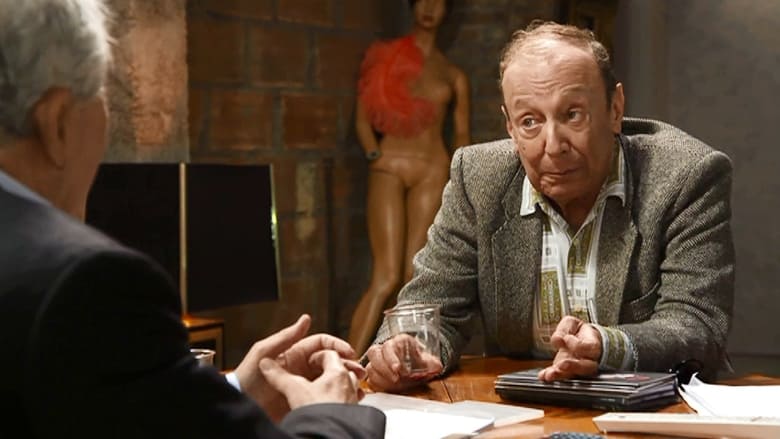
Adolfo Arrietta, (cadré - décadré)
A “Cinéma, de notre temps” series episode directed by french film critic André S. Labarthe, originally aired sometime around 2015.
Filmography
as Self
as Self
as Himself
as Self - Interviewee
as Self
as self
as Self - Guest
as Self
as Self