
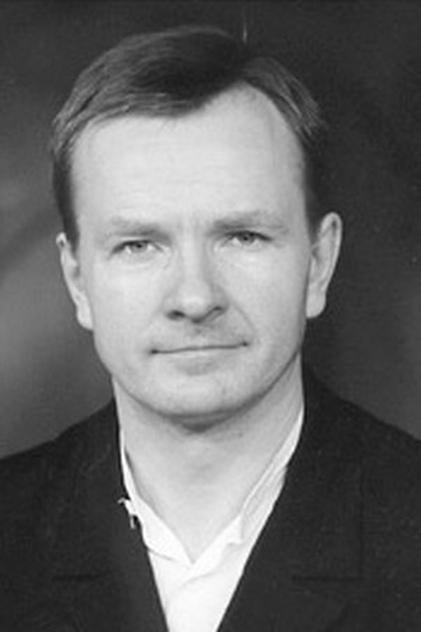
Aleksander Trąbczyński
Acting
Biography
No biography available for Aleksander Trąbczyński.
Born: October 1, 1956
Place of Birth: Szamotuły, Poland
Known For
Dekalog
Dekalog (pronounced [dɛˈkalɔk]) is a 1989 Polish drama television miniseries directed by Krzysztof Kieślowski and co-written by Kieślowski with Krzysztof Piesiewicz, with music by Zbigniew Preisner. It consists of ten one-hour films, inspired by the decalogue of the Ten Commandments for thematic inspiration and an overarching structure, grapple deftly with complex moral and existential questions concerning life, death, love, hate, truth, and the passage of time. Each installment explores characters facing one or several moral or ethical dilemmas as they reside in an austere housing project in 1980s Poland, whose lives become subtly intertwined as they face emotional dilemmas that are at once deeply personal and universally human.
Afera Mięsna
A portrait of cabinet intrigues, the false aspirations of the party elite and the grinding reality of the 1960s, or "our little stability." Robert Meller and Janusz Dymek's documentary drama concerns the famous 1964 meat scandal, in which three death sentences were demanded and one was adjudicated and executed. The victim was Stanislaw Wawrzecki. Ostensibly, it was about fraud and bribes in the meat industry. In fact, it was about covering up the government's economic ineptitude, shortages of supplies and directing the people's anger at a few defendants.
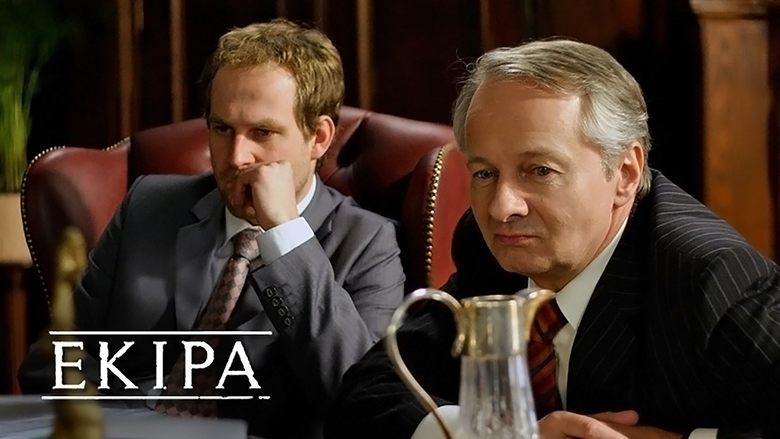
Ekipa
Ekipa is a Polish political drama TV series created and directed by Agnieszka Holland, aired from 13 September 2007 until 6 December 2007 on Polsat. Ekipa is the second Polish political fiction series after the 1980s miniseries The Career of Nicodemus Dyzma.
Niepodległość
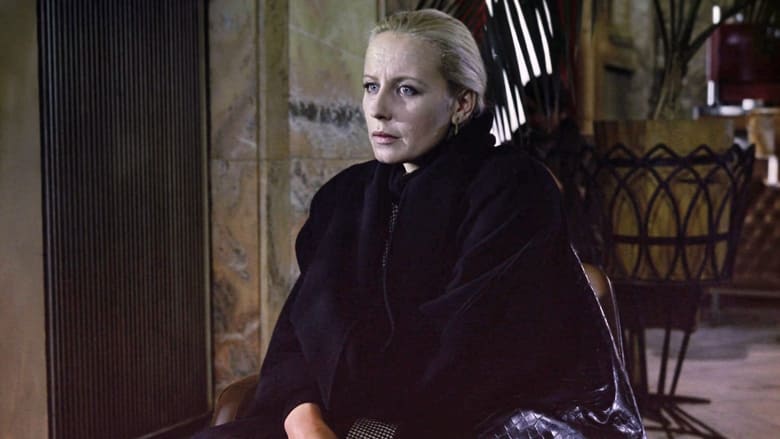
Decalogue II
Dorota Geller, a married woman, faces a dilemma involving her sick husband's prognosis. Her husband's doctor, who believes in God, sweared about it in vain.
Fałszerze - Powrót Sfory

Wojna światów
The documentary film is based on reconstructed archival films of the 1920 Polish-Soviet war, which ended in one of the greatest military successes of the Polish nation. The film also uses radio recordings, accounts of participants and witnesses to the events, as well as archival material testimony that has survived to our time: photographs, orders and records of secret reports. Polish Television carried out a digital reconstruction of century-old, previously unpublished archival films, including those from Soviet Union, France, Great Britain, the Czech Republic, Hungary and the USA.
Miodowe lata

Stones for the Rampart
To be defeated and not be - a victory. This is the motto that life is guided by three young friends: Alek, Sophy and Rudy. Scouts, high school graduates high school in Warsaw drifting ambitious plans for the future broken through September 1939. Entering adulthood in a very dramatic times, which puts them a choice - to survive at any cost, or to join the fighting for a free homeland, risking everything. The boys brought up in patriotic homes, shaped by the ideals of scouting, they decide to fight. They become soldiers, and although every scrape with death, they can live a full life.
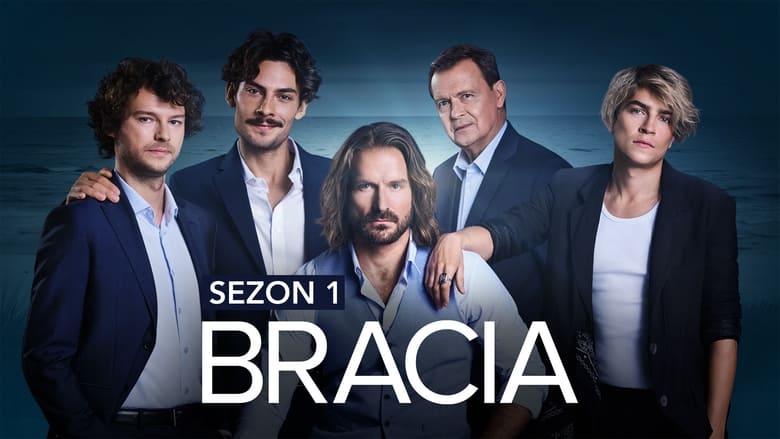
Brothers
Filmography
as prosecutor
as (voice)
as Lector (voice)
as (voice)
as wartownik
as uczestnik zjazdu
as policeman
as Prokurator Eugeniusz Wojnar
as oficer ABW
as Schlenhoff, wspólnik Gozdawy
as Bolek
as Robert, mąż Elżbiety
as Lover's Friend
as jeniec
as Lover's Friend