
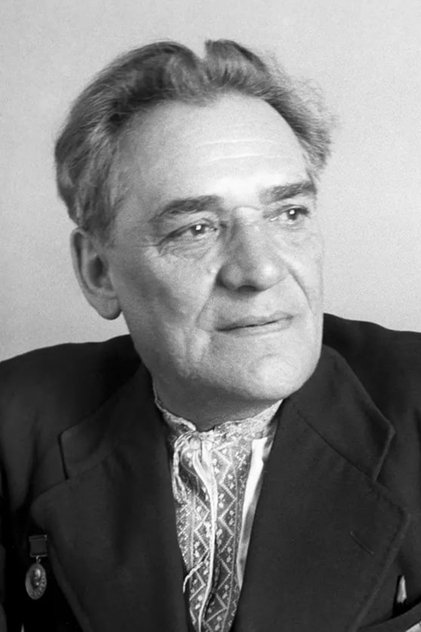
Amvrosii Buchma
Acting
Biography
No biography available for Amvrosii Buchma.
Born: March 13, 1891
Place of Birth: Lviv, Ukraine
Known For
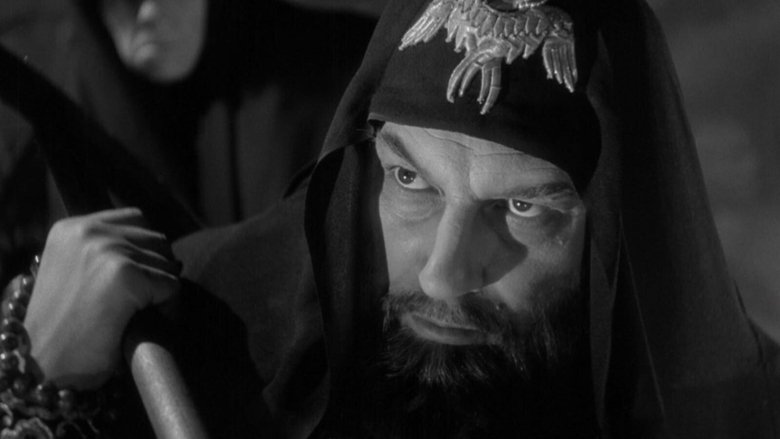
Ivan the Terrible, Part II: The Boyars' Plot
This is the second part of a projected three-part epic biopic of Russian Czar Ivan Grozny, undertaken by Soviet film-maker Sergei Eisenstein at the behest of Josef Stalin. Production of the epic was stopped before the third part could be filmed, due to producer dissatisfaction with Eisenstein's introducing forbidden experimental filming techniques into the material, more evident in this part than the first part. As it was, this second part was banned from showings until after the deaths of both Eisenstein and Stalin, and a change of attitude by the subsequent heads of the Soviet government. In this part, as Ivan the Terrible attempts to consolidate his power by establishing a personal army, his political rivals, the Russian boyars, plot to assassinate him.
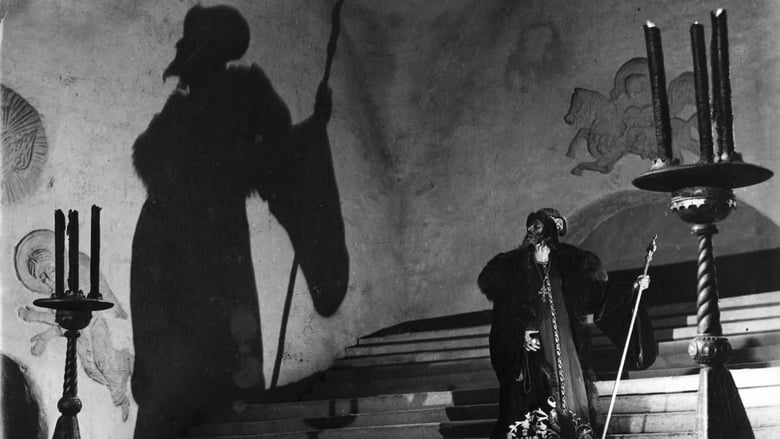
Ivan the Terrible, Part I
Set during the early part of his reign, Ivan faces betrayal from the aristocracy and even his closest friends as he seeks to unite the Russian people. Sergei Eisenstein's final film, this is the first part of a three-part biopic of Tsar Ivan IV of Russia, which was never completed due to the producer's dissatisfaction with Eisenstein's attempts to use forbidden experimental filming techniques and excessive cost overruns. The second part was completed but not released for a decade after Eisenstein's death and a change of heart in the USSR government toward his work; the third part was only in its earliest stage of filming when shooting was stopped altogether.
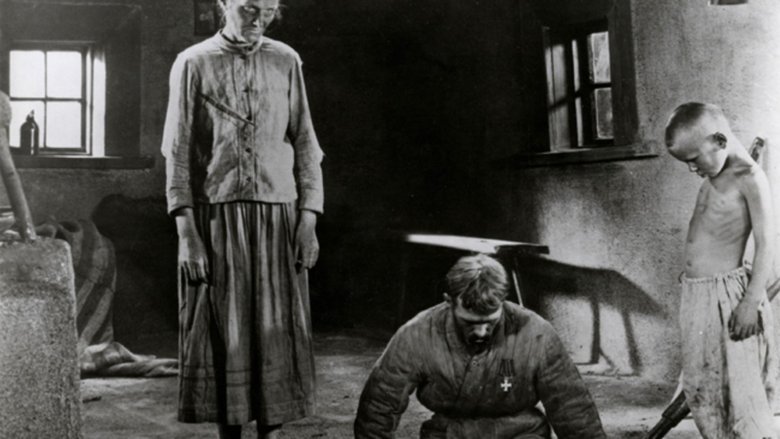
Arsenal
A soldier returns to Kyiv after surviving a train crash and encounters clashes between nationalists and collectivists. The story of the suppression of the Bolshevik uprising at the Arsenal factory in Kyiv by the Central Council troops.
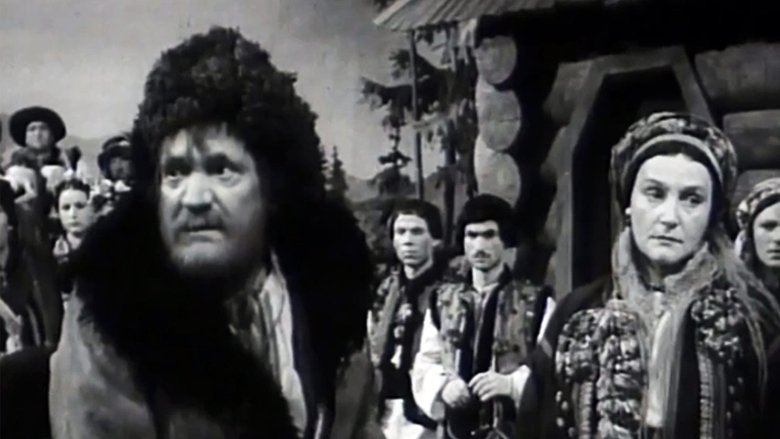
Stolen Happiness
Based on a play by Ivan Franko. Anna married Mykola, but does not love him. She likes young Michael. Against the background of the picturesque Carpathian mountains in the nineteenth century unfolds the eternal drama of love and jealousy.
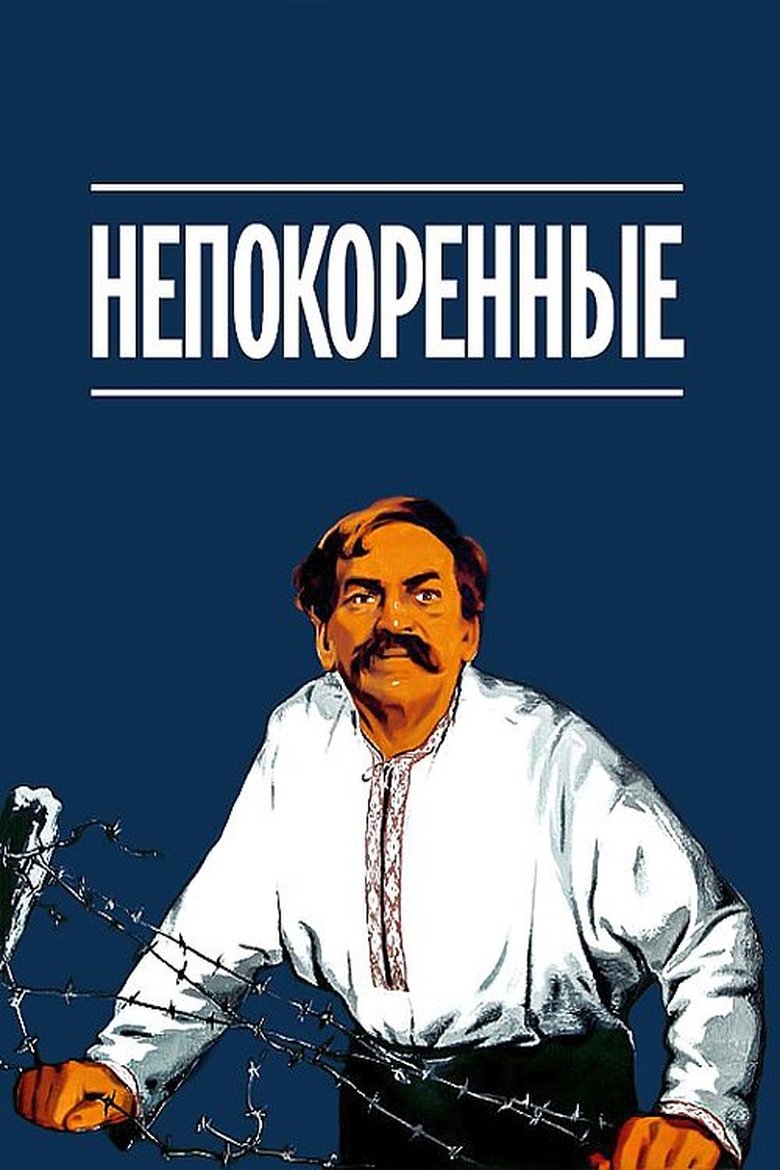
The Taras Family
Russian filmmaker Mark Donskoi, of "The Gorky Trilogy" fame, was responsible for the postwar Soviet drama The Taras Family (originally Nepokorenniye, and also released as Unvanquished and Unconquered). A semi-sequel to Donskoi's Raduga (1944), the story is set in Nazi-occupied Kiev. The drama focusses on the travails of a typical Soviet family and on the efforts by the Germans to force the reopening of a local munitions factory. The film is at its most grimly effective in a long sequence wherein the Nazis conduct a search for Jewish escapees, culminating in a horribly graphic re-creation of the slaughter of the Jews at Babi Yar. While Donskoi was critically lambasted for his cinematic "sloppyiness" during this sequence (hand-held camera, rapid cuts etc.), it can now be seen that he was attempting a realistic, documentarylike interpretation of this infamous Nazi atrocity.
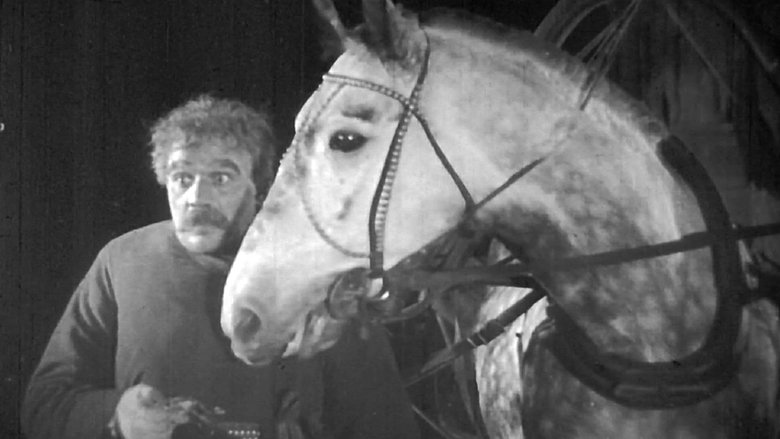
Night Coachman
Set in Odesa at the end of the Civil War when the town is occupied by the Whites. The night coachman, fifty-year-old Hordii Yaroshchuk, lives with his daughter Katia who gets involved with a Bolshevik and revolutionary.

Secret Agent
Soviet agent Fedotov is air-dropped into Nazi occupied land. He changes over into Mr. Ekhert, a German entrepreneur wishing to take advantage of eastern worker slave labor in occupied Ukraine. Ekhert (Fedotov) enters into a partnership with a German entrepreneur who's son, Willie, is a high ranking Nazi. Together they go to Vinnitsa, Ukraine and start a factory. Fedotov begins seeking contacts with headquarters, but faces problems when a Ukrainian Nazi collaborator manages to infiltrate the Soviet partisans.
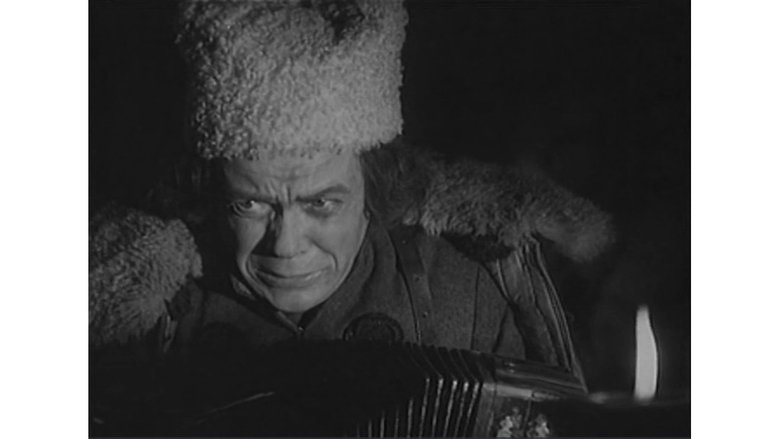
Aleksandr Parkhomenko
About the life and heroic death of the old Bolshevik-Lugansk resident, participant in the civil war, Aleksandr Yakovlevich Parkhomenko. In 1918, capturing Ukraine, the German occupiers sought to use the Haidamaks, the White Guards and the Greens in their struggle. By order of Voroshilov, Aleksandr Parkhomenko from Lugansk arrives in Tsaritsyn. At the same time, the Germans launched an active offensive. The "red" battalions are poorly armed, however, Parkhomenko manages to raise them to the attack and put the enemy to flight.

Five Brides
A Soviet propaganda film based on material from the Bolshevik coup. During the Russian civil war, the Whites, that anti-Communist force that fought against the Bolsheviks during that period, capture a Jewish Ukranian village; the gang commander threatens a pogrom, and will kill everyone in the village unless the inhabitants agree to give to the White Officers five virgin girls in wedding dresses. Under such terrible pressure, the Jewish council of the town decides, full of sorrow and despair, to sacrifice their daughters to the drunken officers but fortunately and just in time, a detachment of partisans that belong to the Red Army, comes and frees the village.
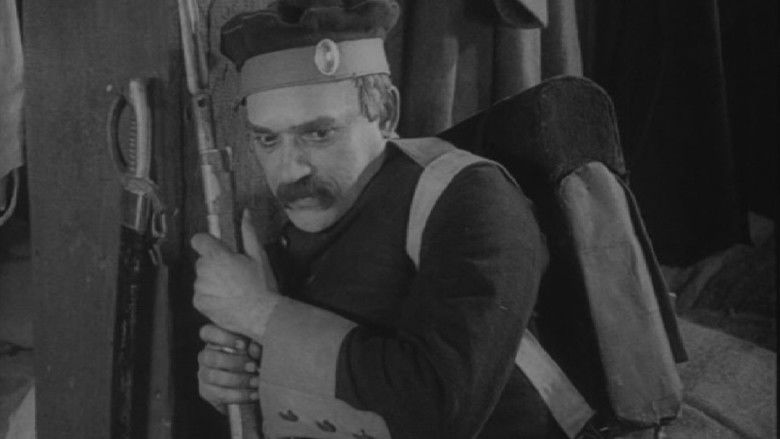
Taras Shevchenko
The film adaptation of Taras Shevchenko’s biography of 1925 is the first Ukrainian biopic. At that time, it was one of the most expensive films, as for the first time experts in history, ethnography, and literary studies were involved in pre-production. Consisting of numerous short stories, the film that shows the life of Shevchenko as an adolescent, a soldier, a poet, was successfully demonstrated in Ukraine and abroad and became the most acknowledged cinema project of 1926.
Filmography
as Czar's Guard Aleksei Basmanov
as Mykola Zadorozhnyi
as Grigory Leshchuk
as Taras Yatsenko
as Dzyuba, botsman
as Czar's Guard Aleksei Basmanov
as father Maksyut (uncredited)
as Khoma Gabrys
as Foma Kichatyy - Hundred commander
as Iyosele / Leiyzere
as Hordii Yaroshchuk
as a German soldier
as Jimmy Higgins
as Yanush Torchinskiy, writer
as Emil
as Mykola Dzheria
as Taras Tryasylo
as Taras Shevchenko
as Cossack colonel
as Arsenal factory worker / Student / Old general
as MacDonald