
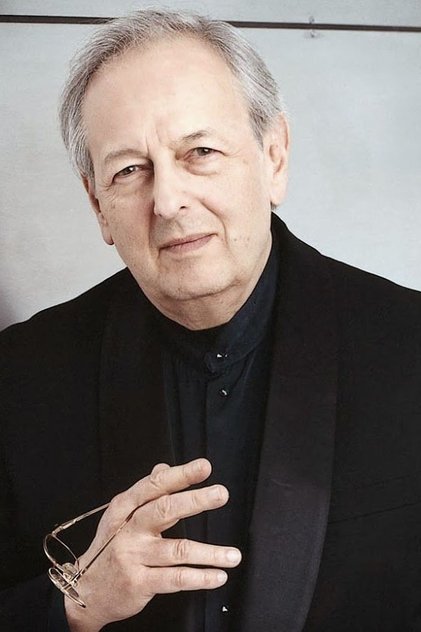
André Previn
Sound
Biography
From Wikipedia, the free encyclopedia André George Previn, KBE (born Andreas Ludwig Priwin; April 6, 1929 – February 28, 2019) was a German-born American pianist, conductor, and composer. Starting by arranging and composing Hollywood film scores for Metro-Goldwyn-Mayer, Previn was involved in the music for over 50 films over his entire career. He won four Academy Awards for his film work and ten Grammy Awards for his recordings (and one more for his Lifetime Achievement). He had been the music director of the Houston Symphony Orchestra, the Pittsburgh Symphony Orchestra, the Los Angeles Philharmonic, and the Oslo Philharmonic, as well as the principal conductor of the London Symphony Orchestra and the Royal Philharmonic Orchestra.
Born: April 6, 1929
Place of Birth: Berlin, Germany
Known For
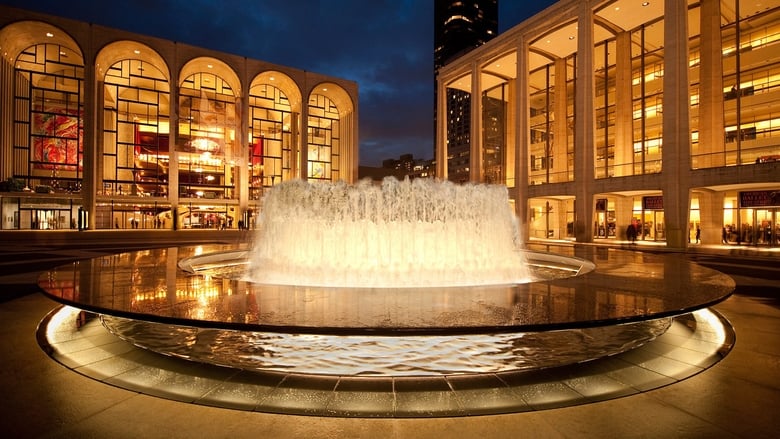
Live from Lincoln Center
Since premiering in 1976, the landmark series has sought to democratize the world of the performing arts by making Lincoln Center's historic concerts and events available for public broadcast across the country. And it continues to push the boundaries, both technical and creative, of what is possible in the realm of stage performance capture.
Live from Lincoln Center
Since premiering in 1976, the landmark series has sought to democratize the world of the performing arts by making Lincoln Center's historic concerts and events available for public broadcast across the country. And it continues to push the boundaries, both technical and creative, of what is possible in the realm of stage performance capture.
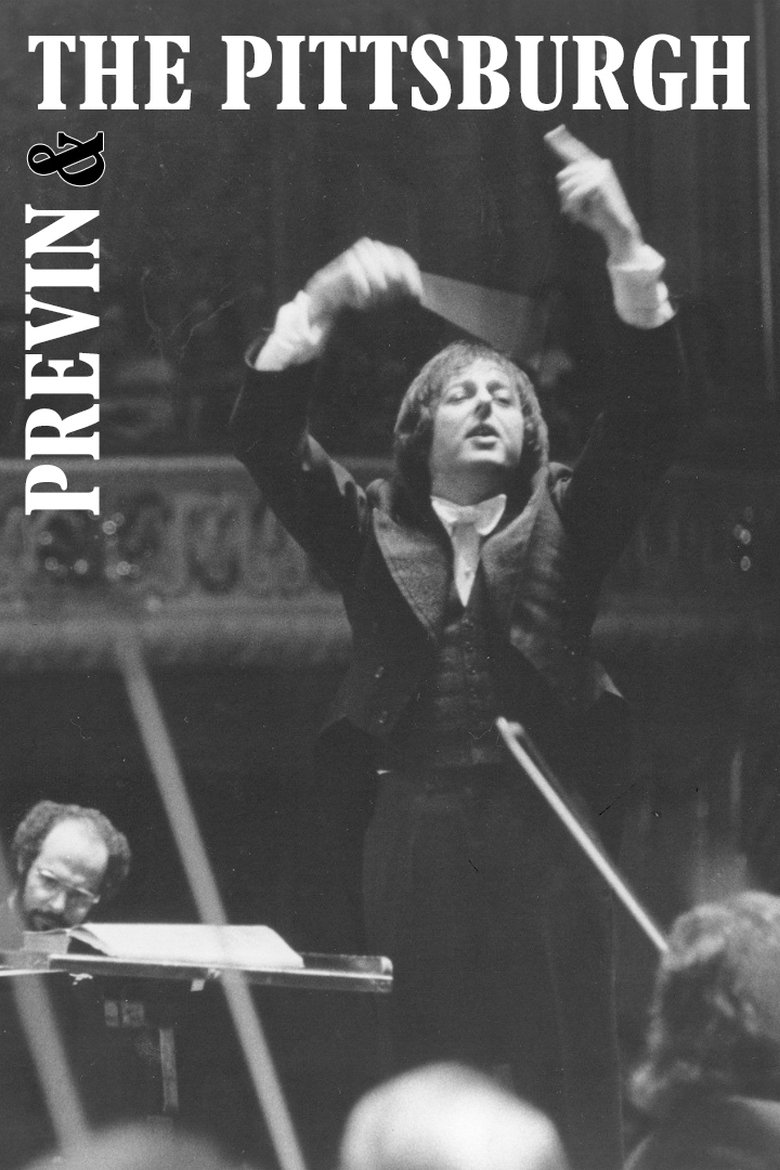
Previn and the Pittsburgh
Renowned composer, conductor, and pianist Andre Previn welcomes one or more musical guests for conversation and performance, either accompanied by Mr. Previn on piano or in concert with the Pittsburgh Symphony Orchestra. Produced by WQED and syndicated nationally on PBS, the series was notable among musical performance programs for its deft camera work and editing. The episode The Music That Made the Movies was nominated for an Emmy for Outstanding Music Direction.
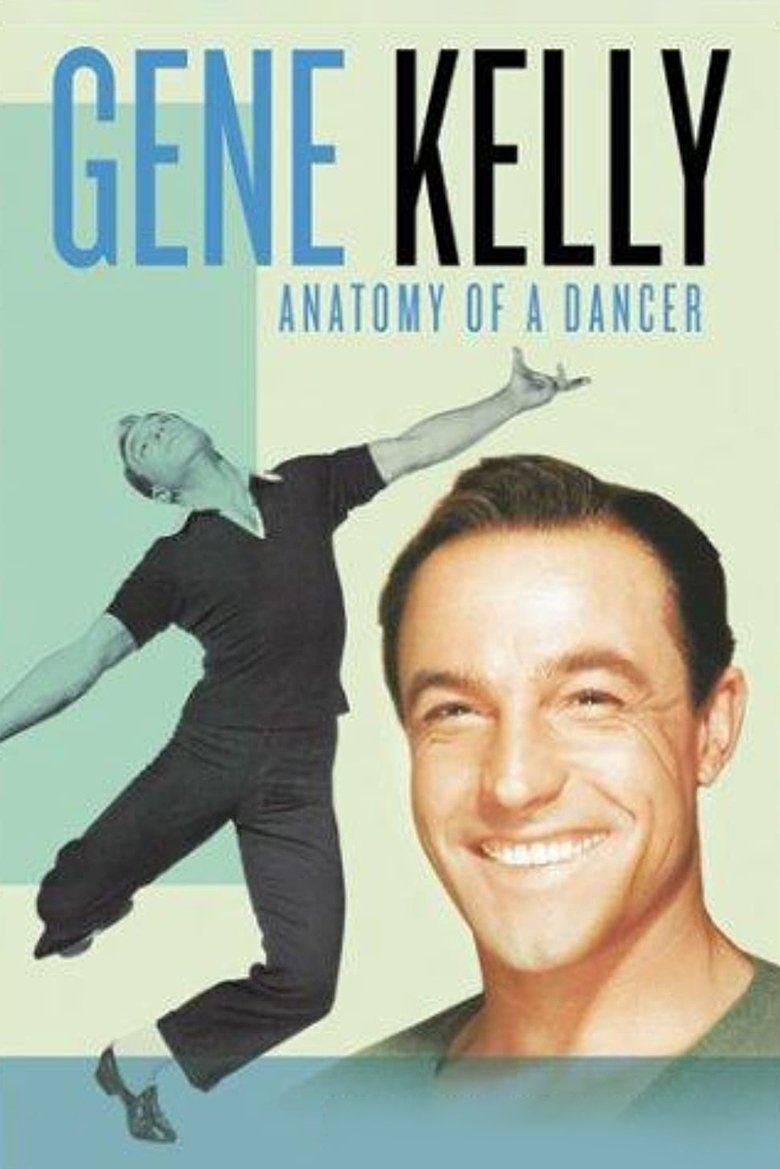
Gene Kelly: Anatomy of a Dancer
American Masters Series. Documentary on Gene Kelly that gives insight into his dancing, how he formed a style (first "blue collar dancer") and developed different cinematique techniques, such as brilliantly shot dancing sequences.
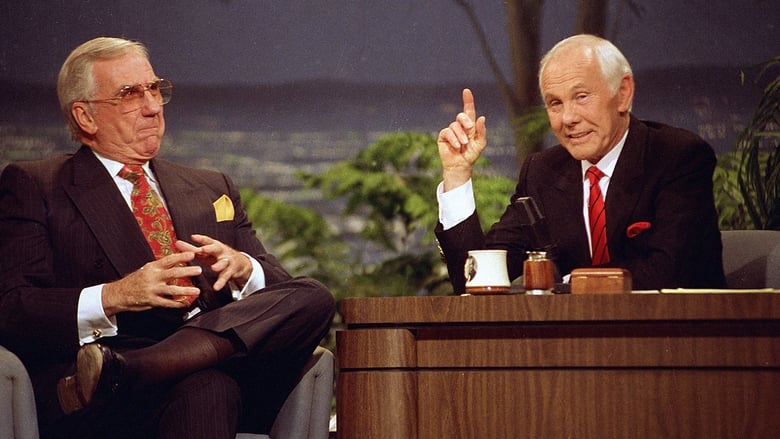
The Tonight Show Starring Johnny Carson
The Tonight Show Starring Johnny Carson is a talk show hosted by Johnny Carson under The Tonight Show franchise from 1962 to 1992. It originally aired during late-night. For its first ten years, Carson's Tonight Show was based in New York City with occasional trips to Burbank, California; in May 1972, the show moved permanently to Burbank, California. In 2002, The Tonight Show Starring Johnny Carson was ranked #12 on TV Guide's 50 Greatest TV Shows of All Time.

The Kennedy Center Honors
The Kennedy Center Honors is an annual honor given to those in the performing arts for their lifetime of contributions to American culture.
The Bell Telephone Hour
“The Bell Telephone Hour” was a musical variety show that aired on “NBC” TV from 12 January 1959 to 14 June 1968 that showcased the best in Broadway, Classical, Concert, Jazz and Popular music each week. The series had its’ own house band appropriately named the “Bell Telephone Orchestra”. The show also had its’ own theme song being the “Bell Waltz” composed by “Donald Voorhees” who was also the show's Orchestra conductor. Some of the greatest violinists of the 1960’s performed on this show that aired in the old “Black & White” format. Some of these great violinists included “Erica Mornin”, “Isaac Stern", "Michael Rabin", "Ruggiero Ricci", "Yehudi Menuhin" and "Zino Francesacatti". From time to time some of the great singers and bandleaders of the 1960’s would perform on the show as well. Some of these were “Bing Crosby”, “Gordon MacRae”, “John Gary”, “Leslie Uggams”, “Mary Martin”, “Nelson Eddy”, “Patti Page” and “Roy Rogers”. The TV show followed on the heels of its’ predecessor with the same name on “NBC” radio that aired from 29 April 1940 to 1958 on Monday nights at 8 PM. The name of the show was derived from its’ Major sponsor “Bell Telephone Laboratories”. The TV version began airing on Friday nights at 8:30 PM once a month. It later was given it’s same time slot now airing every other week alternating with another show on the other weeks such as News shows and specials. The show time slot changed quite often over the years. In September 1960 it aired at 9 PM and in September 1961 it moved to 9:30 PM. In October 1963 it moved to Tuesday nights at 10 PM, September 1965 it moved to Sunday night at 6:30 PM and in September 1967 it made its' final move back to Friday night at 10 PM.
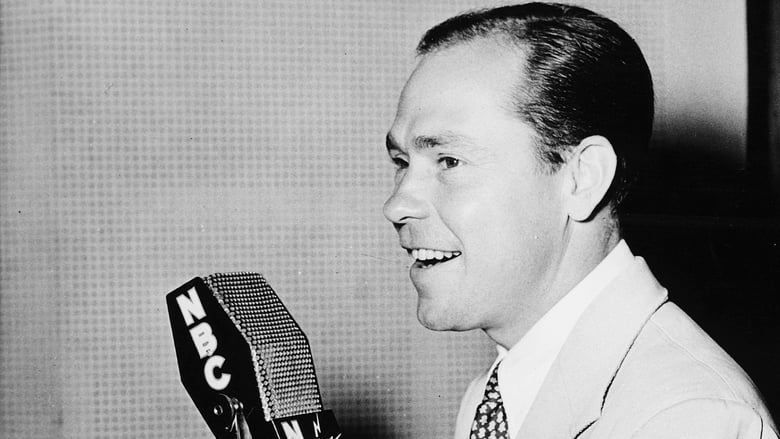
Johnny Mercer: The Dream's on Me
Commemorating the centennial of Mercer's birth, this documentary is part biography, part archive, and part recontextualization, taking Mercer's tunes and putting them in the hands of modern singers like Jamie Cullum and Dr. John to show they are still relevant today. Host Clint Eastwood also interviews artists who collaborated with Mercer or performed his songs, including composer John Williams, Blake Edwards, Andre Previn, Tony Bennett, and Julie Andrews.
Omnibus
Omnibus was an arts-based BBC television documentary series, broadcast mainly on BBC1 in the United Kingdom. The programme was the successor to the long-running arts-based series 'Monitor'. It ran from 1967 until 2003, usually being transmitted on Sunday evenings. During its 35-year history, the programme won 12 Bafta awards. Among the series' best remembered documentaries are Cracked Actor, a profile of David Bowie, and Rene Magritte, a graduate film by David Wheatley, 'Madonna: Behind the American dream', a film produced by Nadia Hagger, and a profile of the British film director Ridley Scott. For a season in 1982, the series was in a magazine format presented by Barry Norman. The series was replaced by 'Imagine' hosted by Alan Yentob.
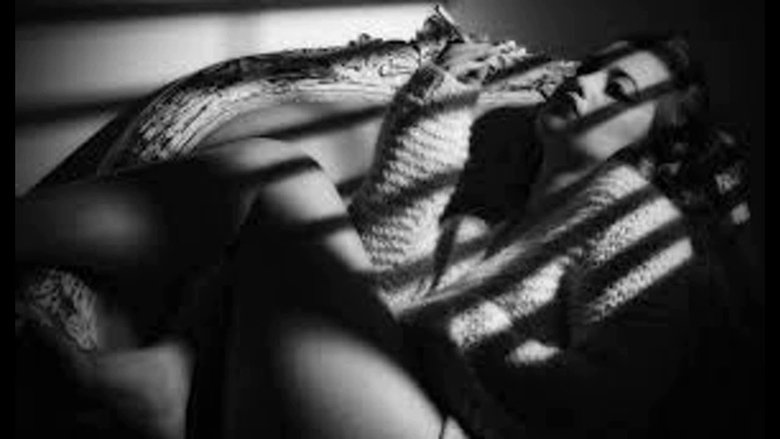
Film Noir: Bringing Darkness to Light
Film Noir burrows into the mind; it's disorienting, intriguing and enthralling. Noir brings us into a gritty underworld of lush morbidity, providing intimate peeks at its tough, scheming dames, mischievous misfits and flawed men - all caught in the wicked web of a twisted fate.
Filmography
as Self - Composer (archive footage)
as Self
as Self
as self (presenter)
as Self (archive footage) (uncredited)
as Self - Pianist
as Self - Conductor
as Self - Conductor (Concerto No. 27)
as Self - Piano & Conductor (Concerto No. 24)
as Self (archive footage)
as Self (archive footage)
as Himself
as Self - Conductor
as Self
as Self
as Self - Conductor
as Self
as Self
as Himself
as Self
as Self
as André Previn
as André Previn
as Self
as Self
as Self - Pianist
as Composer at Piano
as Self
as Longhair