

André Reybaz
Acting
Biography
André Reybaz was a French actor. He had a long career spanning 40 years, which mostly consisted of numerous French television appearances. In 1950 he starred in the writer Jean Genet's only film, the influential Un chant d'amour (aka A Song Of Love), which focused on the longing desires of a prison guard and prisoners of a French jail.
Born: October 29, 1929
Place of Birth: Paris, France
Known For
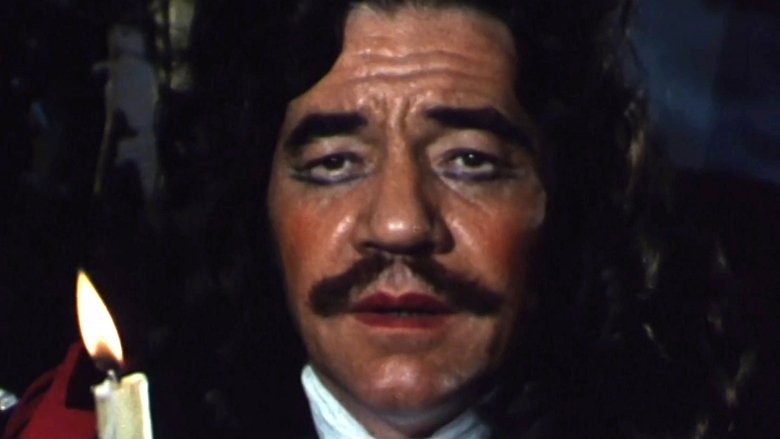
Molière pour rire et pour pleurer

Police Commissioner Moulin
The series follows the adventures of lighthearted Jean-Paul Moulin, a police Commissaire, and his team as they solve crimes.
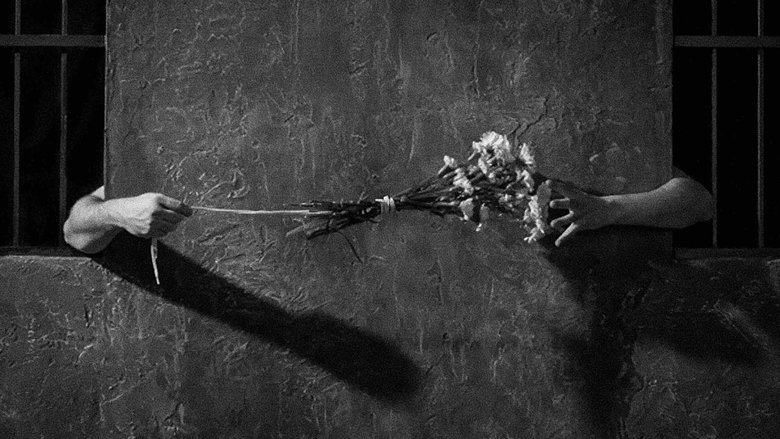
Song of Love
Two prisoners in complete isolation, separated by the thick brick walls, and desperately in need of human contact, devise a most unusual kind of communication.
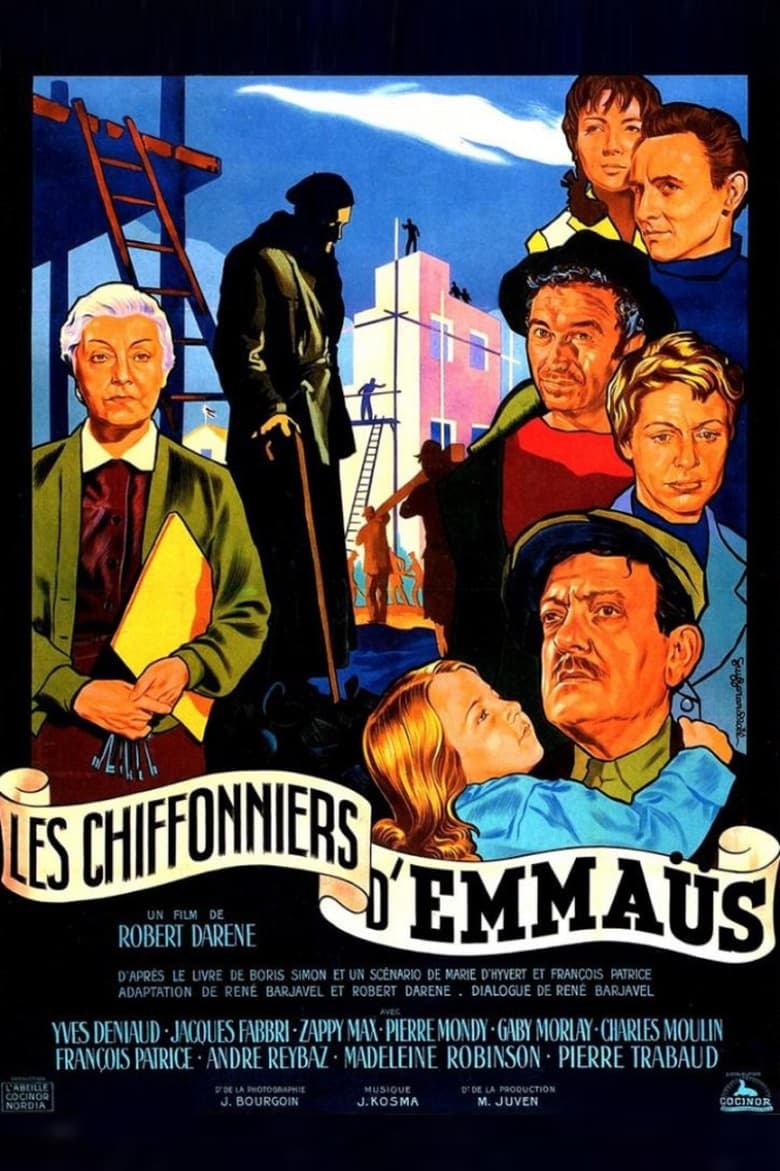
The Ragpickers of Emmaus
The Emmaüs community opened and functioned thanks to the generous impetus of Abbé Pierre Groues, bringing together a cross-section of the underprivileged: unemployed truck drivers, former paratroopers, young people leaving prison, etc., and underprivileged families. The "ragpickers" manage to make a bit of money by practicing the art of "chine", while the abbé tries his hand at winning radio games. The accident and death of one of them will unite the Emmaus companions even more.
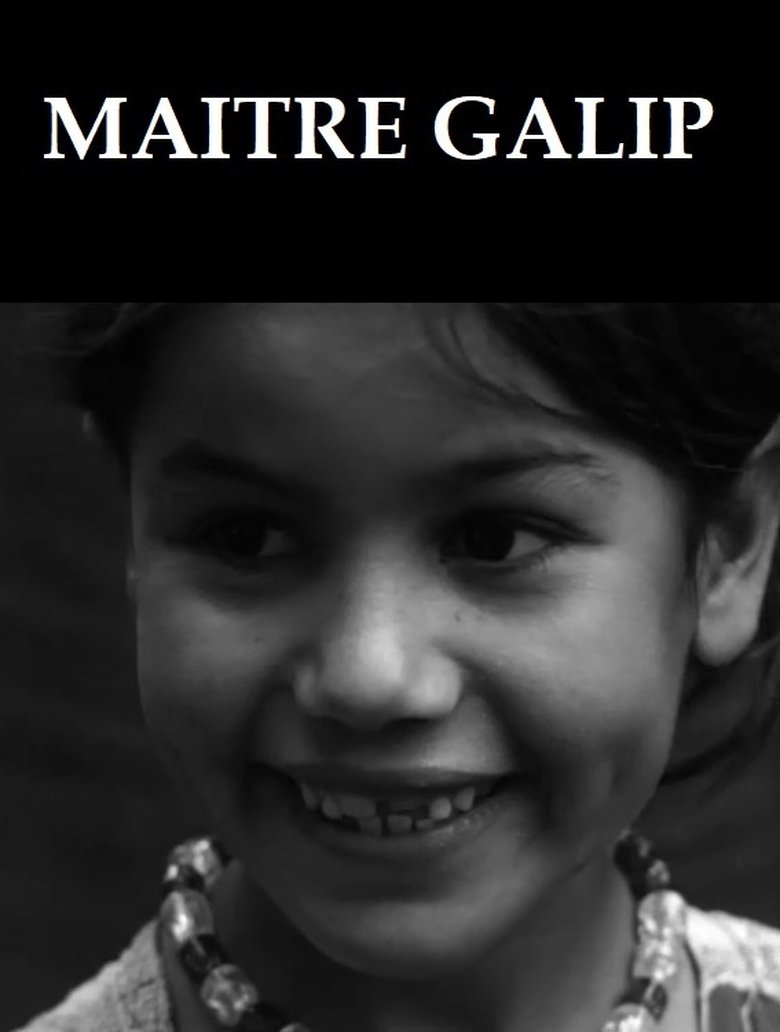
Maître Galip
Maître Galip is the most poetic and powerful of Pialat's Turkish Chronicles, using the poems of Nazim Hikmet to accompany a series of evocative images of ordinary working class people in Istanbul. This was the film that Pialat himself claimed was the most complete realization of what he was aiming for with his Turkish documentaries. It's not difficult to see why this was his favorite: here he abandons the historical commentary and documentary observation of the other shorts in favor of an emotional emphasis on the lives of the poor and the unemployed.
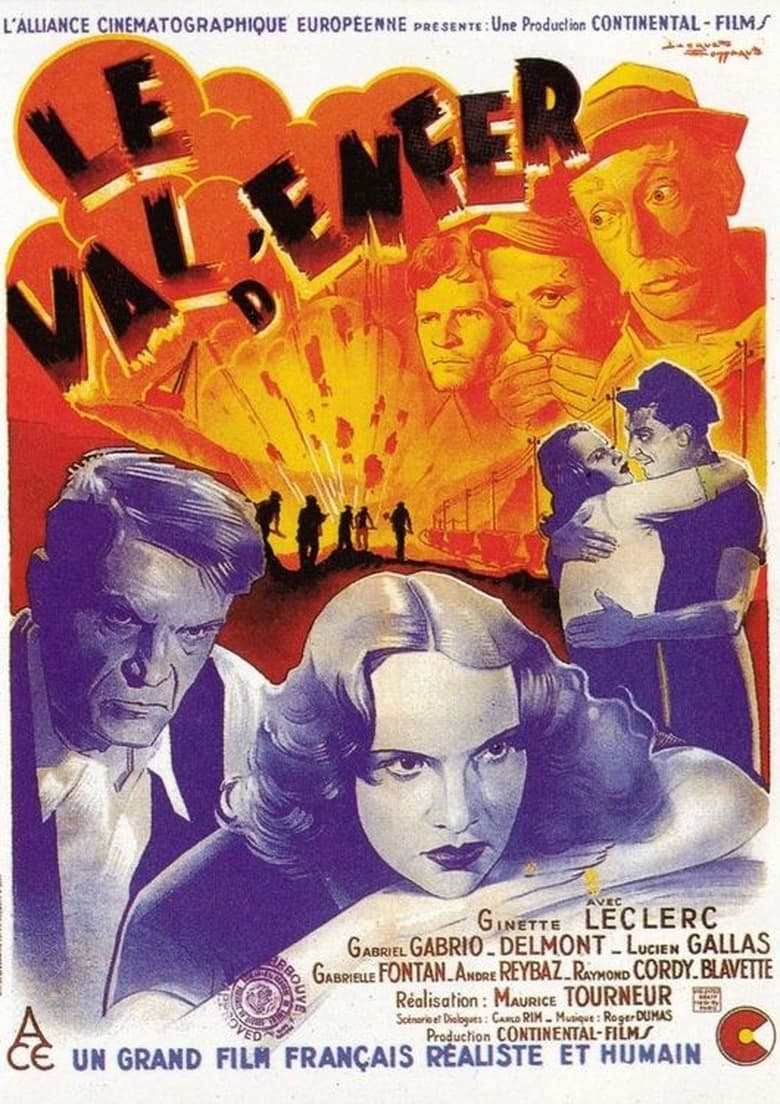
Valley of Hell
Noël Bienvenu, owner of a career, is a widower and lives with his parents. His son Bastien, whom he despises, was sentenced to six months in prison for theft. Noël goes to see a dying friend, Romieux, who asks him to take care of his daughter Marthe, who has settled in Paris (Batignolles district). Noël goes there and discovers that Marthe is destitute (her lover Gaston being an incarcerated mobster): he then offers her to come and live with him and soon, marries her.
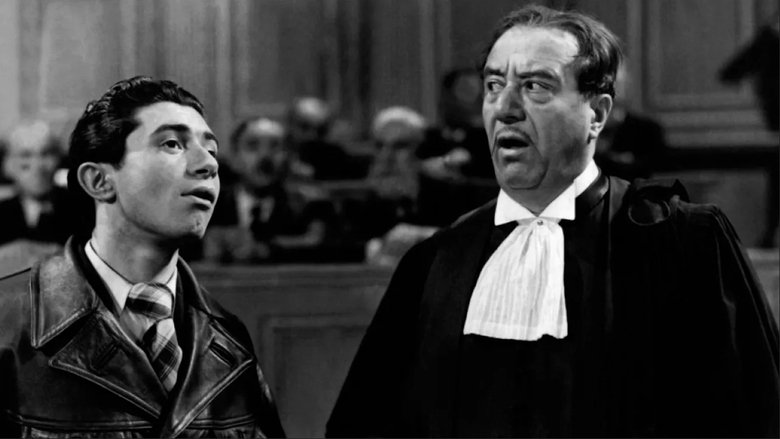
Strangers in the House
Loursat, a lawyer, lives with his daughter Nicole in a sinister and vast bourgeois residence. Abandoned for nearly twenty years by his wife, the brilliant lawyer has sunk into alcoholism and his relationship with his daughter is virtually non-existent. However, one day the corpse of a stranger is discovered in the residence of Loursat. Nicole, who frequents a gang of young people who escape boredom by stealing cars and other objects, is immediately suspected.
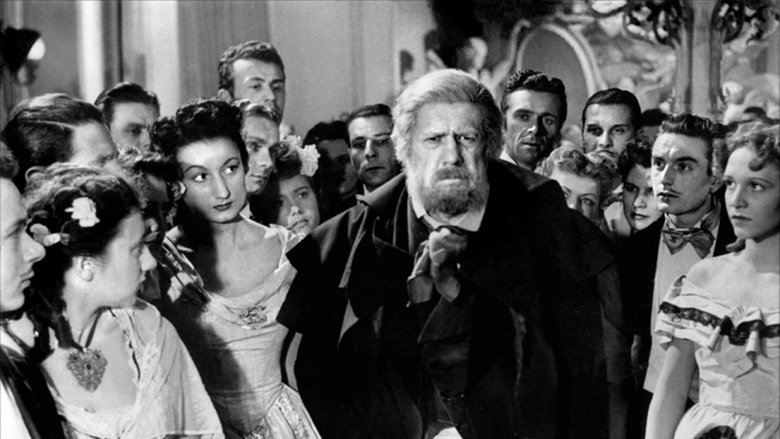
Shop Girls of Paris
The struggles of a small business owner come to light in this film by director André Cayatte. The proprietor of a fabric shop, M. Baudu faces stiff competition when a department store moves in across the street, the first of its kind in 1860s Paris. On top of the stresses associated with the rival retailer, Baudu’s niece and two nephews take up residence with him after recently being orphaned. The niece, Denise Baudu, sees the writing on the wall for her uncle’s business so she takes a job as a shop girl with his competitor and despite her success the decision does not register well with the family.

We Are All Murderers
Originally titled Nous Sommes Tout des Assassins, We Are All Murderers was directed by Andre Cayette, a former lawyer who detested France's execution system. Charles Spaak's screenplay makes no attempt to launder the four principal characters (Marcel Mouloudji, Raymond Pellegrin, Antoinine Balpetre, Julien Verdeir): never mind the motivations, these are all hardened murderers. Still, the film condemns the sadistic ritual through which these four men are brought to the guillotine. In France, the policy is to never tell the condemned man when the execution will occur--and then to show up without warning and drag the victim kicking and screaming to his doom, without any opportunity to make peace with himself or his Maker. By the end of this harrowing film, the audience feels as dehumanized as the four "protagonists." We Are All Murderers was roundly roasted by the French law enforcement establishment, but it won a special jury prize at the 1952 Cannes Film Festival.
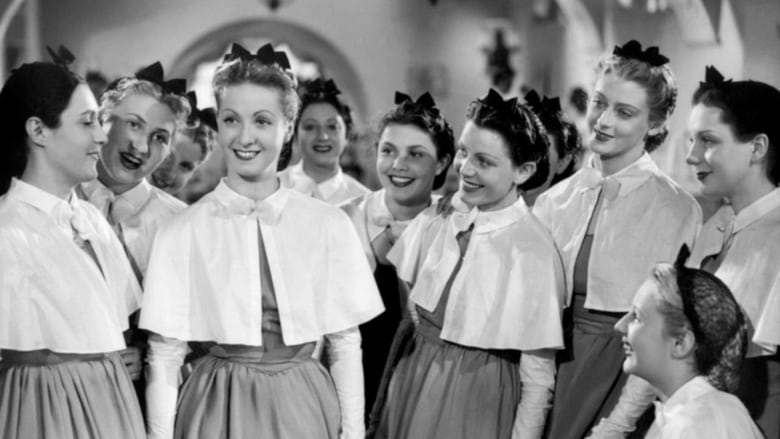
Her First Affair
Micheline Chevassu is a young, naive woman living in an orphanage. Through classified ads, she has a date with an unknown man. She escapes from the orphanage to go to it, dreaming of the Prince Charming. But comes Nicolas Rougemont, an unattractive middle-aged man... He pretends not to be the author of the letters, who could not come...
Filmography
as Comte Saint-Germain
as Blaireau
as Pierre Corneille
as Guard (uncredited)
as Baron of Vergnas
as Covadenga
as Principal
as Narrator (French version) (voice)
as Athanase Pernath
as Narrator
as Narrator
as Narrator (voice)
as Vicar
as Self
as Abbot Pierre
as Le père Simon
as Robespierre
as Jean
as Gérard Pardon
as Bastien Bienvenu
as Jean Baudu
as André Castille
as Émile Manu
as A college student (uncredited)