
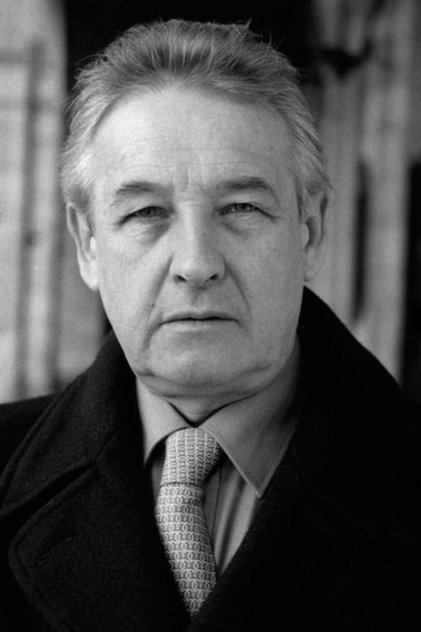
Andrzej Wajda
Directing
Biography
Andrzej Wajda (born 6 March 1926) was a Polish film director. Recipient of an honorary Oscar, he was possibly the most prominent member of the unofficial "Polish Film School" (active circa 1955 to 1963). He was known especially for a trilogy of war films: A Generation (1954), Kanał (1956) and Ashes and Diamonds (1958). Four of his movies were nominated for the Academy Award for Best Foreign Language Film: The Promised Land (1975), The Maids of Wilko (1979), Man of Iron (1981), and Katyń (2007). He passed away in 2016 at the age of 90. Description above from the Wikipedia article Andrzej Wajda, licensed under CC-BY-SA, full list of contributors on Wikipedia.
Born: March 6, 1926
Place of Birth: Suwałki, Polska
Known For

Sommer '39
In the summer of 1939, people enjoyed the good weather, ignoring politics and pessimistic predictions. Images of everyday life that was about to change dramatically in a Europe in turmoil.

Bambi
The Bambi, often called the Bambi Award and stylised as BAMBI, is a German award presented annually by Hubert Burda Media to recognize excellence in international media and television to personalities in the media, arts, culture, sports, and other fields "with vision and creativity who affected and inspired the German public that year", both domestic and foreign. First held in 1948, it is the oldest media award in Germany. The trophy is named after Felix Salten's book Bambi, A Life in the Woods and its statuettes are in the shape of the novel's titular fawn character. They were originally made of porcelain until 1958, when the organizers switched to using gold, with the casting done by the art casting workshop of Ernst Strassacker in Süßen.
About Cinema
An abandoned tumbledown theater in the outback of Paraíba state is the initial setting of a film about cinema, which explores the testimonials of the novelist and playwright Ariano Suassuna and other filmmakers such as Ruy Guerra, Julio Bressane, Ken Loach, Andrzej Wajda, Karim Ainouz, José Padilha, Hector Babenco, Vilmos Zsigmond, Béla Tarr, Gus Van Sant and Jia Zhangke. They all respond to two basic questions: why do they make movies and why do they serve the seventh art. The filmmakers share their thoughts about time, narrative, rhythm, light, movement, the meaning of tragedy, the audience‘s desires and the boundaries with other forms of art.
Without Anesthesia
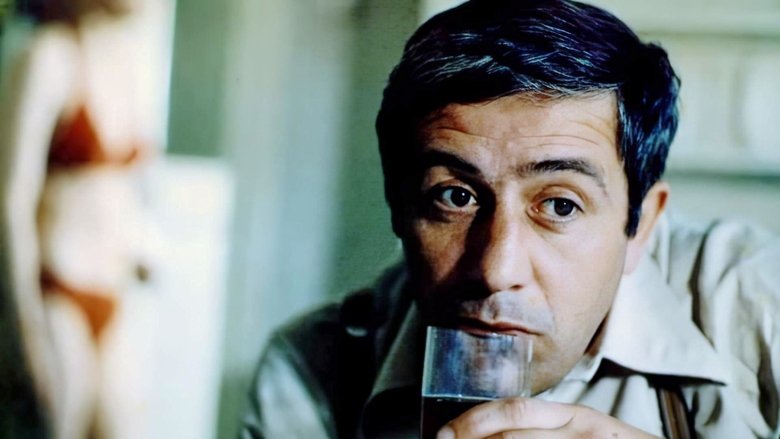
A famous Polish journalist presents a problem for the powers-that-be when he displays his full political skill and knowledge on a television show featuring questions and answers on a world conference by a panel of journalists. His enemies take away his privileges when he is away. The shock of being "unwanted" parallels a deeper disappointment in his private life: his wife has an affair with a jealous young rival, and after 15 years of marriage and two daughters wants a divorce. She offers no explanations as he tries to untie these problems himself. All the moves he makes are the wrong ones. He takes on drinking heavily with students eager to attend his seminar after discovering the class has been canceled. The journalist, once suave and commanding, is reduced to silence.
Kill It and Leave This Town
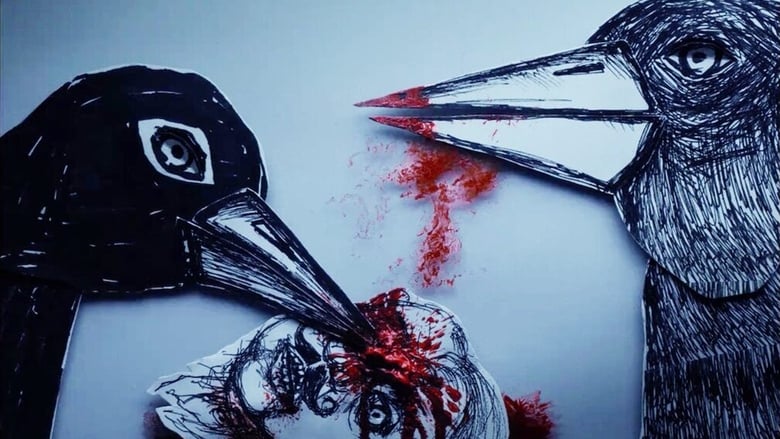
Fleeing from despair after losing those dearest to him, the hero hides in a safe land of memories, where time stands still and all those dear to him are alive.

Roman Polanski: A Film Memoir
An interview with film director Roman Polanski conducted during his period of house arrest, discussing his life and work.

Sweet Rush
As an aging woman married to a workaholic doctor by chance meets a young man who makes her feel young again. All of this is films by a director making a film about her which cuts in and out of the on camera and off camera drama.
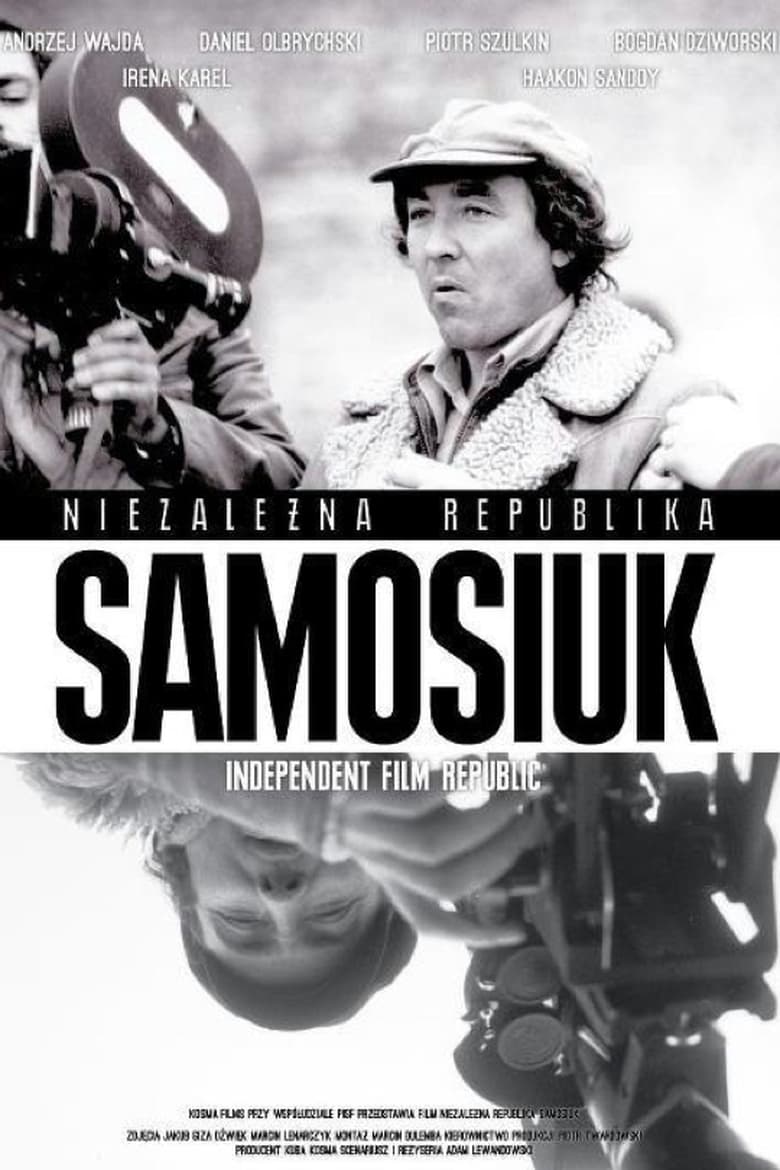
Samosiuk. The Independent Film Republic
The film is a portrait of Zygmunt Samosiuk, a great forgotten cinematographer, who died in 1983. As a director of photography he worked on such films as The Birch Wood, Landscape Afterthe Battle and Austeria. He introduced, among others, hand‑held camera shots, colour lights and shooting at minimum exposure. Reminiscences of his colleagues and friends, including Andrzej Wajda and Piotr Szulkin, show a gifted artist and a modest man who valued his work above all.
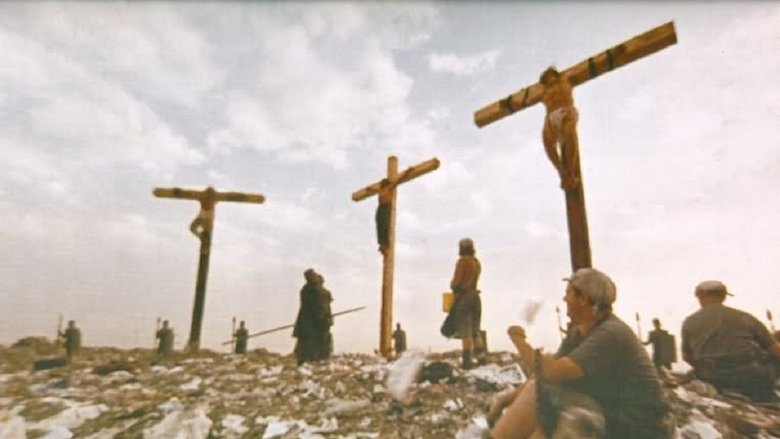
Pilate and Others
The trial of Yeshua Ha-Notsri is led by prosecutor Pontius Pilate who believes in the innocence of the accused but is forced to sentence him to death. This biblical story is set in present-day Germany.
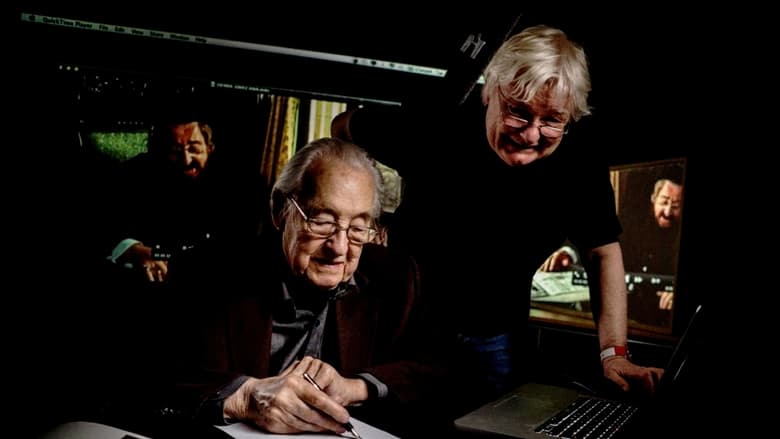
Wajda by Wajda
A few months before his death, Polish filmmaker Andrzej Wajda (1926-2016) revisited his work in an assembly room of the Andrzej Wajda Master School of Film Directing, established in Warsaw in 2002.
Filmography
as Old Man on the Train (voice)
as Self - Filmmaker
as Self
as Self
as Self
as Self
as Self (archive footage)
as Self
as Self
as Self
as Self
as Self
as Self
as Self
as Self
as TV Show Contestant (uncredited)
as Andrzej Wajda
as Self
as Reporter (uncredited)
as Self
as Self