
Angelo Prollo
Acting
Biography
No biography available for Angelo Prollo.
Known For
Toto Who Lived Twice
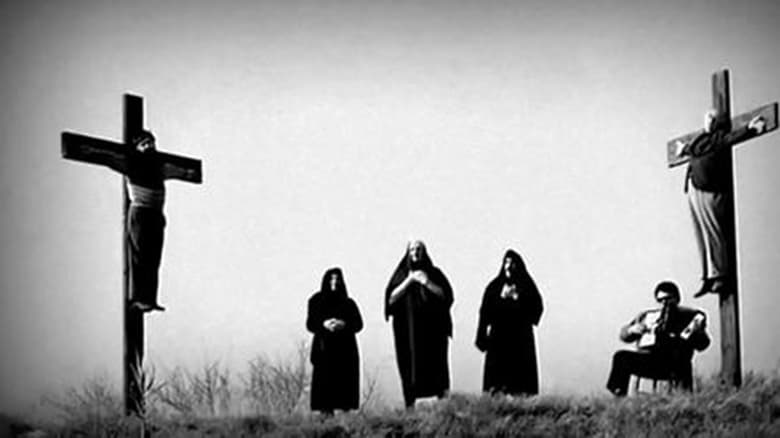
The film has three stories. First is about local village idiot Paletta, who can not afford the services of a whore and so steals a locket from a holy shrine belonging to local mafia don. Second shows the story of betrayal of Pitrinu (who's dead now) by his lover Fefe. Final episode is about lowlife Lazarus. He is killed by mob boss Toto, but raised from the dead by a local messiah, who is also known as Toto (and is played by same actor).
The Return of Cagliostro
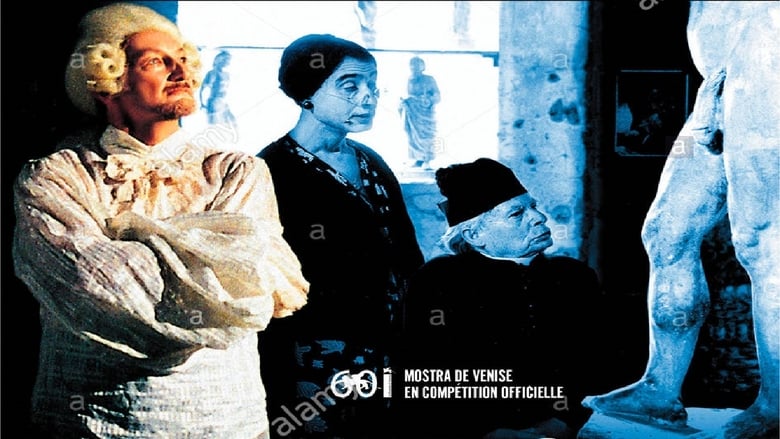
In the Sicily of the late 1940s, two brother sculptors, tired of selling madonnas to the local churches, finally realize their dream, and set up a Sicilian production company, thanks to the help of a local bishop. They start producing one box-office failure Z-movie after the other, all with terribly bad local non-pros as actors. Covered in debts, they finally have their great chance, when a local nobleman obsessed by magic decides to invest all his wealth in the making of a movie about Cagliostro, just one year after Orson Welles' Black Magic (1949). They hire a famous American actor (Robert Englund) and start shooting "The Return of Cagliostro".
Mary Forever
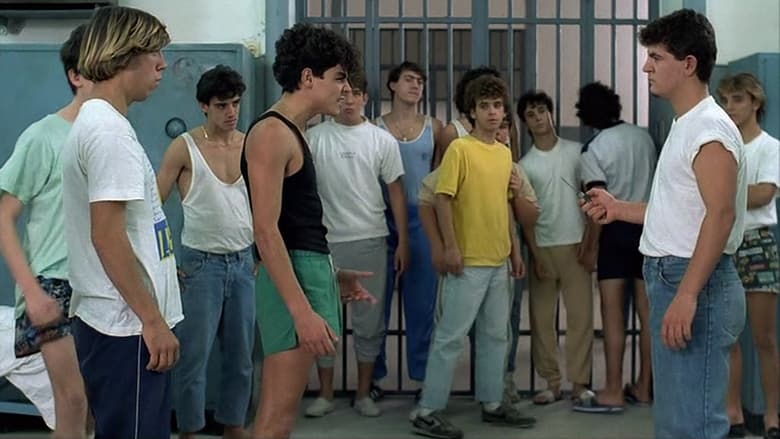
A teacher discovers his calling. Marco relocates to Palermo from Milan and takes a job teaching in a reform school while he waits for a high school position. He tries to understand and motivate his handful of students, reading them colloquial poetry, encouraging them to stand up for their rights, finding out about their histories. Natale, in for murder, enamoured of the Mafia, the King Rat within the group; Mery, a drag queen, arrested for assault when defending himself, in love with Mario and, in daylight, rejected by all; Pietro, illiterate, muscular, believing his destiny is set; the callow Claudio, vulnerable, learning to harden himself. What can Mario learn and do in such a short time?

The Uncle from Brooklyn
Set in apocalyptic Palermo peopled by ignorant, inbred, flatulent gluttons and deformed Mafiosi, a dark comedy which centers on a poor family of three-middle aged brothers who are coerced, by local Mafia honchos, into hiding a mysterious old man known as the Uncle from Brooklyn in their home.
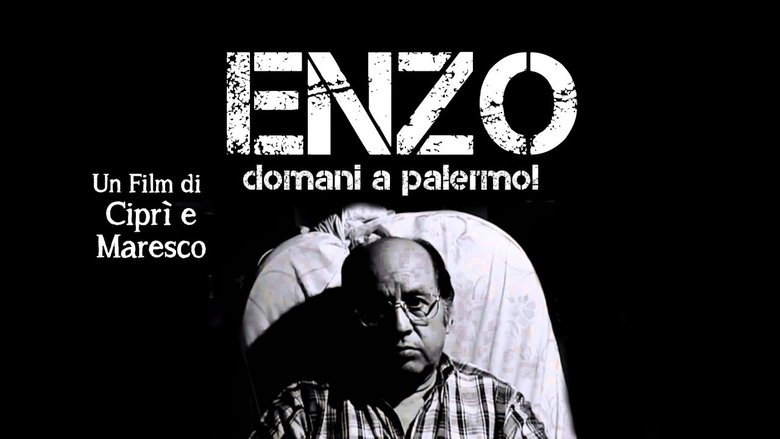
Enzo, domani a Palermo!
Ciprì and Maresco's delicious documentary portrays Sicilian super-agent Enzo Castagna, a man with some 20,000 extras on his books, who has worked with the likes of Loren, Pasolini, Rosi, Coppola and Cimino (indeed, virtually anyone who's ever chosen to film in Palermo). It's typically weird, witty and wonderful, partly due to its subject, a self-styled 'little big man' who consents to be described as 'almighty' and 'the greatest contributor to Italian cinema in the last 35 years'. The local favourite has also done time for bribery, but refuses to comment on Cosa Nostra. The film is as astonishing as its subject. Shot in luscious b/w, it's driven forward by an offscreen interrogator who alternates between ludicrously hyperbolic flattery and forthright questions about corruption and crime. It also serves as a study of the way ethics get abandoned in the unending pursuit of fame, wealth and self-esteem.
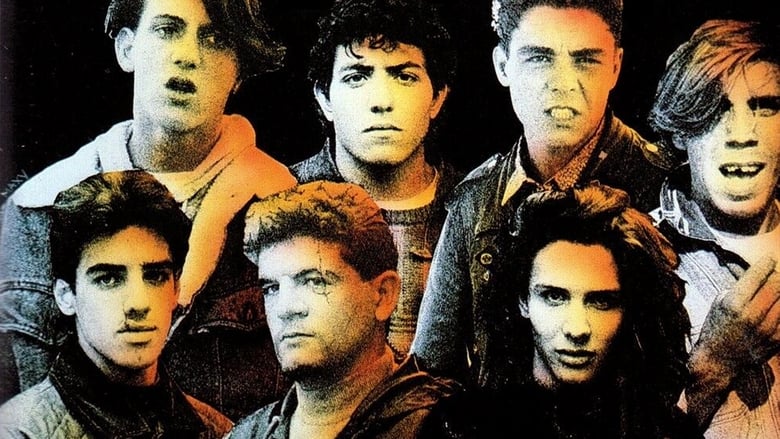
Boys on the Outside
Young men with no future have little in the present as well. Natale is released from prison: he takes up with his friends again but none can find work. Claudio, from Palermo, gets out of juvenile detention in Naples and he's met by Vita, a girl who's come from home to run away with him. Where can they go? A young dad, whose potato stall at the market is shut down because he has no permit, takes his two small children to the beach and yells at them. Mario, gay, a prostitute in drag, gets a visit from his mom; he offers tea, then finds the water to his apartment is shut off. Social workers drop by, parole officers file reports. What hope is there? What options besides crime?
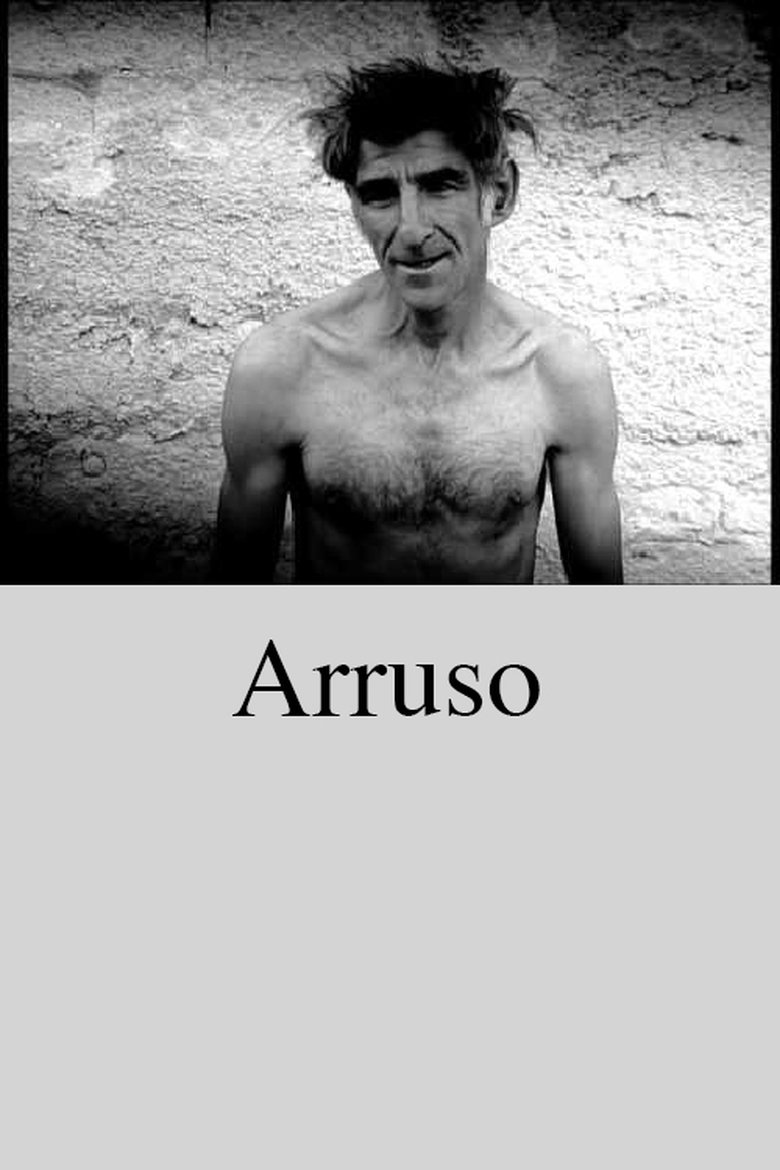
Arruso
In relation to some of Pasolini's visits to Palermo for this last film, in 2000 Ciprì and Maresco shot Arruso, which begins with a phrase by Pasolini ("I banished the word hope from my vocabulary") and consists of imaginary interviews with some local characters who are presumed to have had homosexual relationships with the director. The two record the testimonies, sometimes affectionate others less, of those who had the opportunity to meet him and know the trends on the occasion of that trip.
Ai Confini della Pietà - Trailer
Filmography
as Sé stesso
as Sé stesso
as Self
as Secondo prigioniero
as Claudio's Father (uncredited)
as Rosaspina Prison Warden (uncredited)