
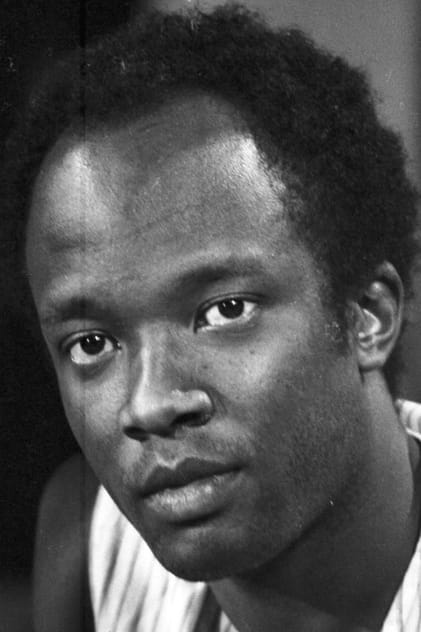
Antônio Pompêo
Acting
Biography
Antônio Pompêo (São José do Rio Preto,February 23, 1953 — Rio de Janeiro, January 5, 2016) was a Brazilian actor and visual artist.
Born: February 23, 1953
Place of Birth: São José do Rio Pardo, São Paulo, Brazil
Known For

Seja O Que Deus Quiser!
After getting involved with an MTV VJ, a musician ends up being accused of setting up a robbery against her. To clear his name, he goes to São Paulo, but gets involved in situations that distance him from his peaceful life.
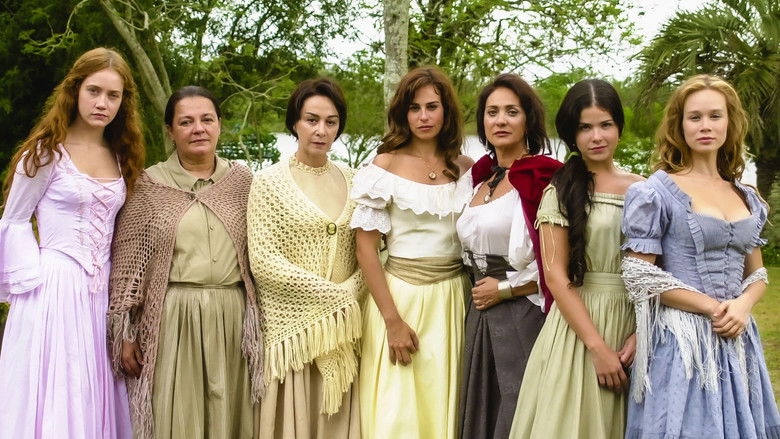
Seven Women
When the men go to war, the women also battle. This tale takes place in the XIX century, during a terrible civil war. Italy’s revolutionary leader Garibaldi must choose between two loves: a sweet aristocratic lady or a brave woman who leaves her husband to accompany him into battle. This super-production recounts the saga of women who do not go to war but must bear pain, solitude and new passions while their husbands and fathers fight the battles.

A Moreninha

Fera Ferida
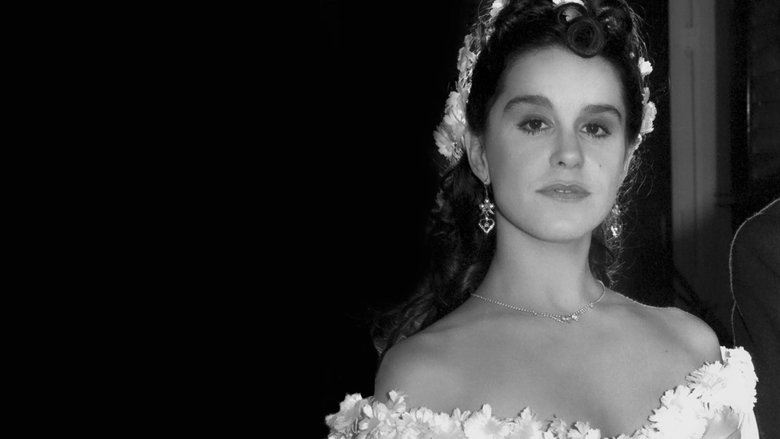
Sinhá Moça
Monarchists and Republicans confront themselves in Araruna, a small town in the interior of São Paulo, in 1886, two years before the promulgation of the Golden Law. Sinhá Moça's love story, daughter of Colonel Ferreira, Baron de Araruna, and a slave-boy, with the young Dr. Rodolfo, an active Republican abolitionist, faced with the difficulties of the campaign for the abolition of slaves. The two meet on the train, when Sinhá Moça, after completing her studies in the provincial capital, returns to Araruna. Like Rodolfo, she has abolitionist ideas and criticizes her father's attitudes, fighting for the defense of blacks. Sinhá Moça, together with Rodolfo and other abolitionists, invade the slave quarters at night and liberate the blacks, giving them to the abolitionist associations, which guide them towards freedom.

Lampião e Maria Bonita

Senhora
The soap opera follows the story of young Aurélia Camargo (Norma Blum), a girl who falls in love with the ambitious young journalist Fernando Seixas (Cláudio Marzo), who also falls in love with her, but rejects her when he receives an invitation to marry Adelaide (Fátima Freire), the daughter of Tavares do Amaral (Felipe Wagner), a wealthy banker. Feeling abandoned by her great love, Aurélia dreams of one day having him back. Until, when she turns 18, she is surprised with an inheritance from her grandfather, and becomes a very rich woman, allowing her to create her own rules for her life. However, for the society of the time, it was not good form for a woman to enjoy such independence. For this reason, Aurélia begins to rely on a distant relative, Dona Firmina Mascarenhas (Zilka Sallaberry), to act as her mother, and on the administrator Mr. Lemos (Alberto Perez), to guide her in business. So, she sees a great opportunity to have Fernando in her life again.

A Justiceira
Diana is woman who lost her child for her Husband. A evil man behind a series of crime operations. Searching for her son, Diana is hired for a underground organization to fight crimes all over Brazil. Now, Diana has the meanings to locate her former husband and search for her son.

The King of The Cattle
In the struggle for land a vicious feud erupts between two men, who commit their families to a war without truce. Over two generations they are moved by love and by hatred in this epic saga of love for the land.

O Tempo e o Vento
It tells the story of the Camabará family for many generations, which were fundamental to the social and political formation of the state of Rio Grande do Sul. The stories are remembered by Dona Bibiana, who remembers the life of her grandmother Ana, her husband, the Captain Rodrigo, his son Bolivar and his daughter-in-law Luzia.
Filmography
as (archive footage)
as Álvaro Amaral
as Chico Rabelê
as Jorginho (hoje / today)
as João Congo
as Mukumbe
as Lopes
as Dr. Percival Garcia
as Jurandir
as Dominguinhos
as Robustiano
as Joaquim dos Anjos
as Servílio
as Padre Otoniel
as Pai Alabá
as Batista
as Justino
as Budião
as Severino
as Vendedor de hot-dog
as Zumbi
as Sabonete
as Pedrinho
as Firmo
as Rafael
as João de Deus