
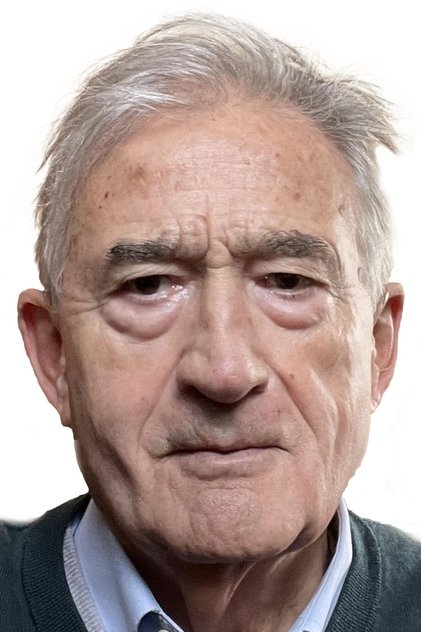
Antony Beevor
Acting
Biography
Sir Antony Beevor is a British award winning popular historian, the author of many best selling books on famous battles: Stalingrad, Berlin, D-Day, Arnhem, Ardennes, Spanish Civil War, Russian Revolution and Crete. Educated at Sandhurst Military Academy and having served with the 11th Hussars, he was a lecturer before becoming an author and military historian.
Born: December 14, 1946
Place of Birth: Kensington, London, United Kingdom
Known For

Churchill: Winning the War, Losing the Peace
Just weeks after VE day, Winston Churchill found himself in new battle: to be reelected Prime Minister. Confident of his victory after leading through WWII, he never expected his countrymen to turn so vehemently on their Great British Bulldog

Churchill: When Britain Said No
Documentary which examines the reasons why Winston Churchill and the Conservative Party lost the General Election of 1945, after Churchill had just led the country to victory in the World War II.
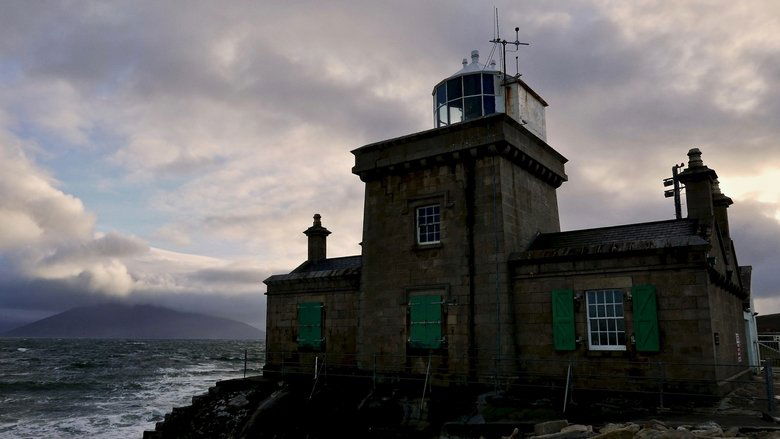
Storm Front in Mayo
Ireland, June 1944. The crucial decision about the right time to start Operation Overlord on D-Day comes to depend on the readings taken by Maureen Flavin, a young girl who works at a post office, used as a weather station, in Blacksod, in County Mayo, the westernmost promontory of Europe, far from the many lands devastated by the iron storms of World War II.
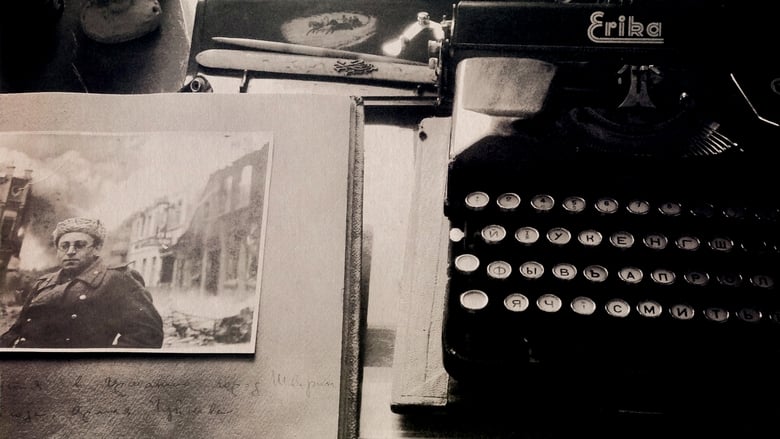
Life and Fate by Vassili Grossman
The convoluted and moving story of Russian writer Vassili Grossman (1905-64) and his novel Life and Fate (1980), a literary masterpiece, a monumental and epic account of life under Stalin's regime of terror, a defiant cry that the KGB tried to suffocate.
From Blitzkrieg to Barbarism – The War of Annihilation Against the Soviet Union
The documentary focuses on the German Wehrmacht’s invasion of Poland and the Soviet Union during World War II and its consequences for the German military. On June 22, 1941, “Operation Barbarossa” marked the start of a war of annihilation that claimed millions of lives. Hitler and his generals planned the destruction of the Soviet Union and its population. The Wehrmacht supported SS Einsatzgruppen in mass shootings and committed numerous war crimes. The anticipated quick victory failed to materialize due to a lack of reserves and alternative strategies, leading to the operation’s failure. Spiegel-TV author Nina Adler presents these events using previously unseen amateur footage from German soldiers and rare archival material from Russia. Expert interviews, including with military historian Rolf-Dieter Müller and authors Sönke Neitzel and Harald Welzer, round out the documentary and shed light on a war that forever changed the image of the Germans.
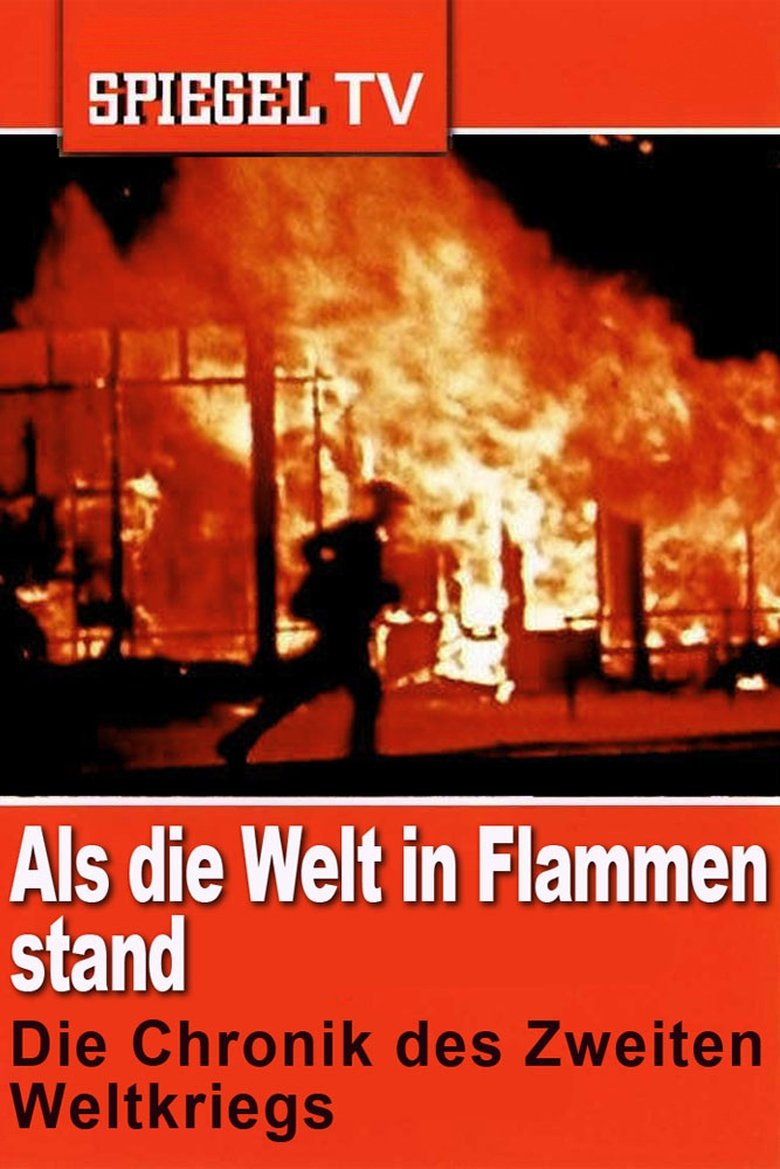
When the World Was on Fire: The Chronicle of the Second World War
The Second World War began on September 1, 1939, with the invasion of Poland and ended on May 8, 1945, as a global catastrophe with over 50 million deaths and devastated cities. Hitler’s expansion plans and Japan’s imperial ambitions led to bloody battles such as Stalingrad and Iwo Jima, the bombing of German cities, and the atomic bombings of Hiroshima and Nagasaki. SPIEGEL-TV author Michael Kloft recounts the war’s chronology and presents rare, partly unpublished footage from both the front lines and the home front, beyond propaganda. He is supported by experts Antony Beevor, Jörg Friedrich, and Rolf-Dieter Müller, who provide insights into military strategies and personal stories. Together, they create a comprehensive portrait of the Second World War.
Filmography
as Self - Historian
as Self - Historian
as Self - Historian