
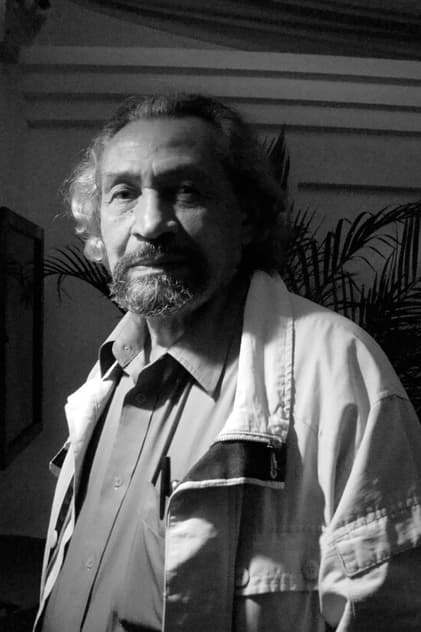
Asdrúbal Meléndez
Acting
Biography
A schoolteacher, calligrapher, and theater, film, and television actor, he has an interest in other disciplines such as poetry, sculpture, and painting. He studied art at renowned institutions in the country and sculpture in Prague, Czech Republic. His artistic work can be seen in more than 60 feature films, the first of which was El cine soy yo (1977) by Luis Armando Roche. He has also worked as a set designer for various theatrical productions and Venezuelan films. As a poet, he has an important body of work published in magazines and newspapers.
Born: November 1, 1935
Place of Birth: Falcón, Venezuela
Known For
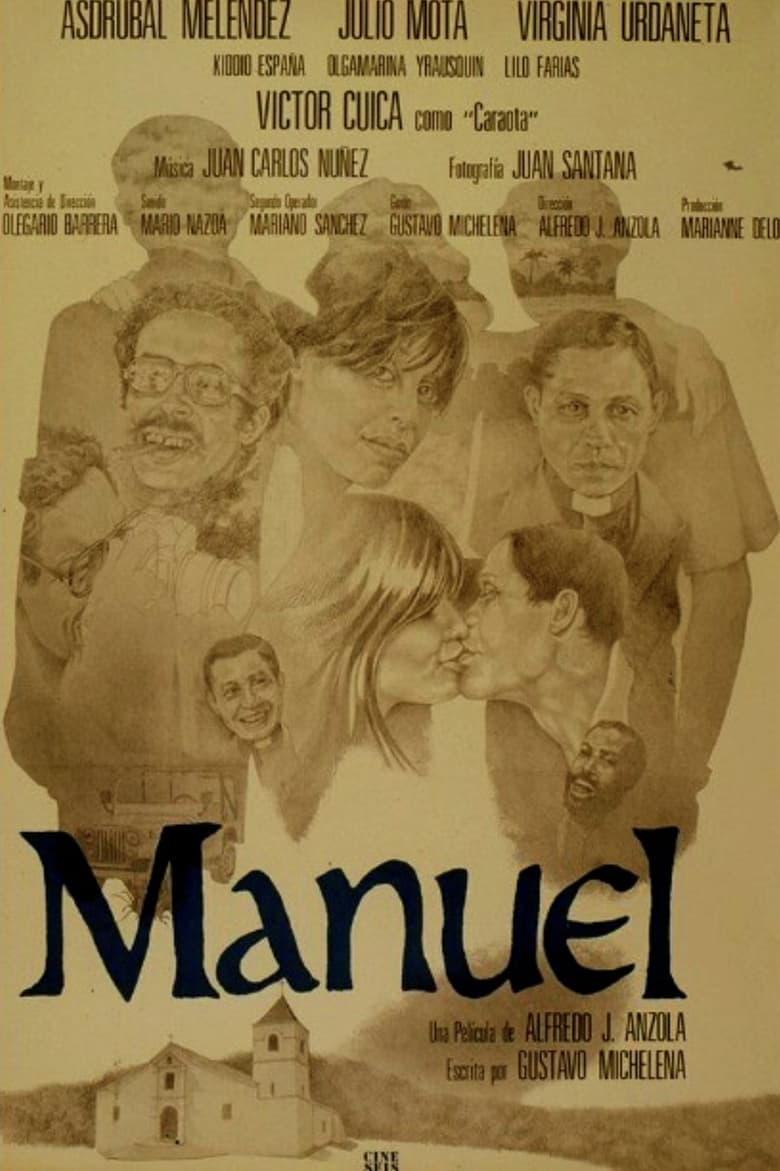
Manuel
Directed by Alfredo Anzola, Manuel (1979) is a Venezuelan drama that explores themes of love, faith, and resistance. The story follows Aparicio and his wife, Alma Rosa, as they welcome a new priest, Manuel, to their coastal village. As Manuel becomes acquainted with the community, he discovers that the village is slated for demolition to make way for a tourist development. Deeply moved by the villagers' plight, Manuel joins the local fishermen in their struggle to defend their land. During this time, he also finds himself drawn to Alma Rosa, leading to personal and moral dilemmas. The developers, aware of Manuel's growing influence and his feelings for Alma Rosa, begin to monitor his actions closely. The film delves into the complexities of human relationships and the fight against displacement.

The Moving-Picture Man
Happy fun times with a little crew of people driving around to backwater villages to show movies in places where the locals don't get much culture. But all good things come to an end...
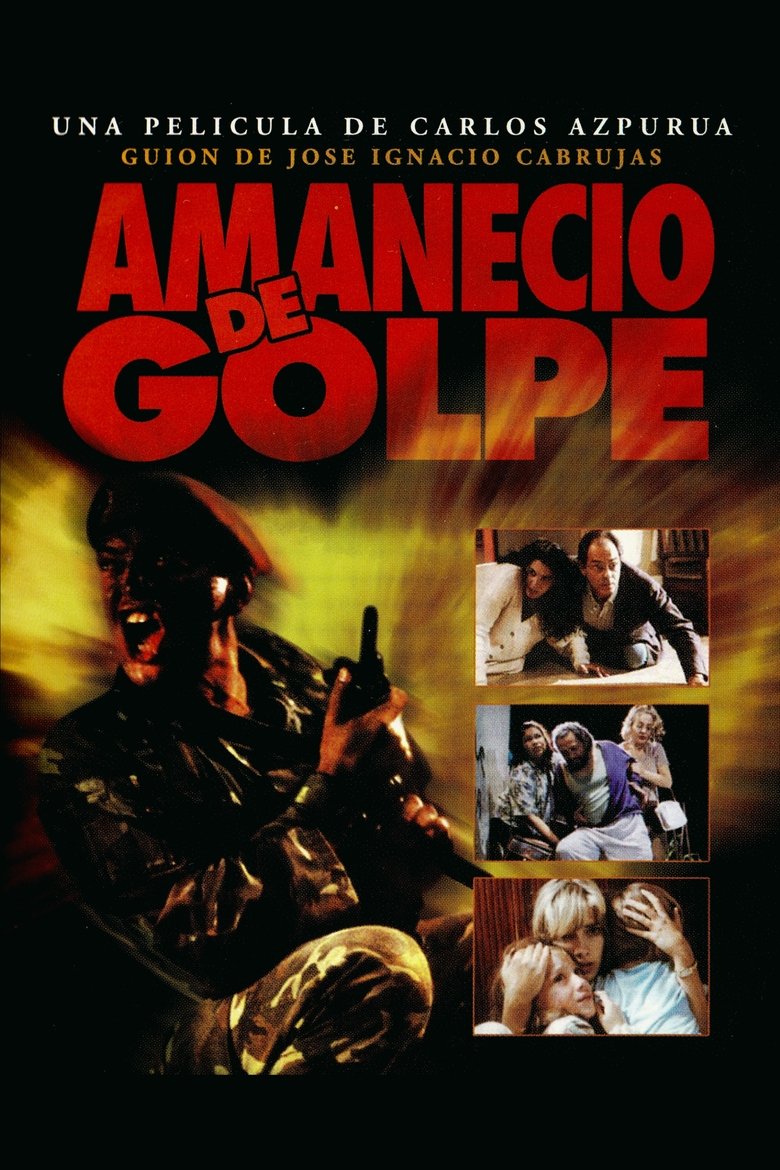
Coup at Daybreak
The film follows the events of the night of February 4, 1992 in Caracas, Venezuela. That night a group of military rebels staged a coup d'etat. Venezuelans found themselves as virtual prisoners. As the coup starts and fighting takes place from a military base which is in the center of the city's most affluent areas, with both luxury high rises and palatial mansions. The area of La Carlota provides a wealth of very interesting, often flamboyant and typical characters of the Latin America upper middle and upper classes. They are among the most affected. Various vignettes in these different characters' homes are developed. These people's reactions, lifestyles, vices, and humanity come out in a very honest fashion under duress.

The Wedding
A politically charged film, where a series of archetypal characters are presented.
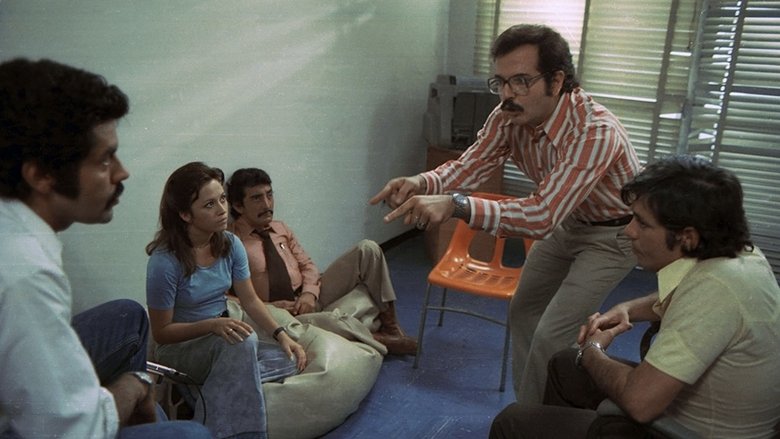
Portable Country
Portable Country is a classical Venezuelan film about the urban guerrilla. Based on the novel of the same name, written by Adriano González León, the film centers on Andrés Barazarte, a disillusioned man from a wealthy landowning family, who grapples with his personal and political identity in the midst of Venezuela's tumultuous social changes and engages in the guerrilla. He reflects on his life, his family's decline, and the broader struggle for power in a country torn between tradition and revolution.The story unfolds as Andrés is tasked with transporting a mysterious package. This journey becomes a metaphor for his search for meaning and a confrontation with his family’s, and his country's, violent past. His recollections weave together with present events, creating a complex tapestry of memory and history.
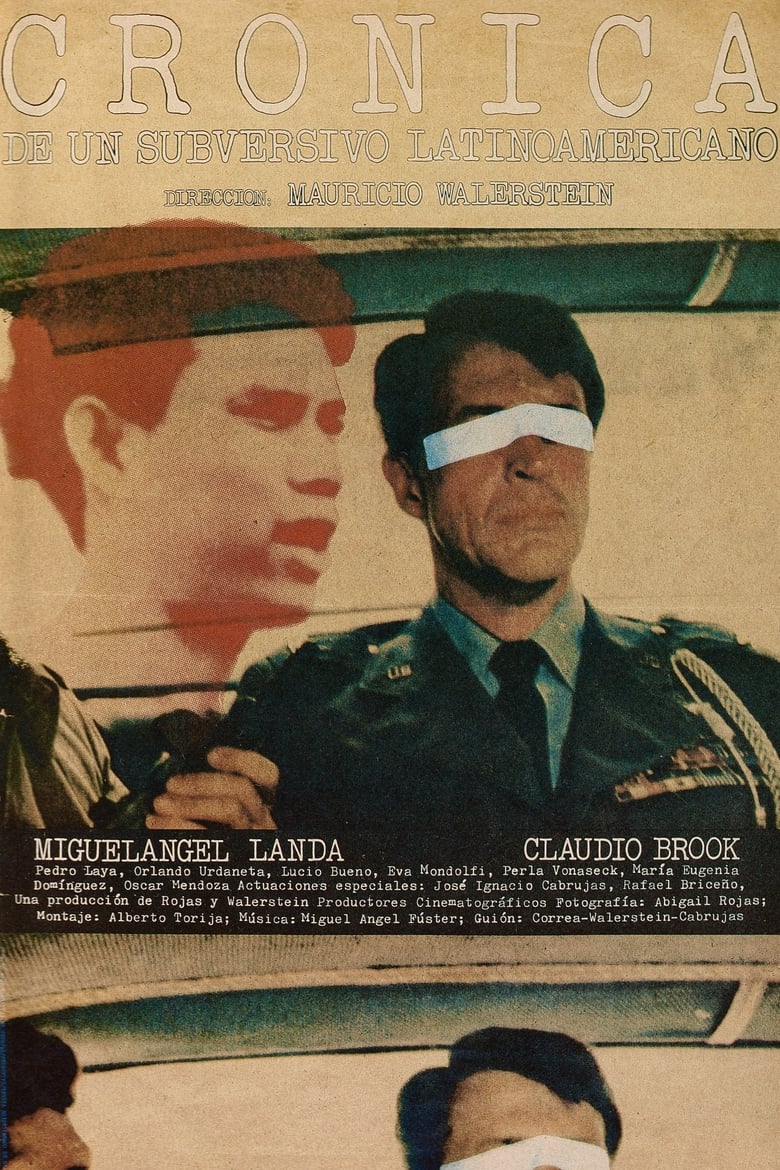
Chronicle of a Latin American Subversive
1964, in a Latin American country, a journalist is head of an armed liberation movement that decides to initiate radical actions. His second in command, a farmer, and the other members of the group will kidnap a north american colonel stationed in Venezuela to force his government to suspend the execution of the vietnamese Nguyen Van Troi, accused of trying to assassinate the American Secretary of Defense, Robert McNamara.
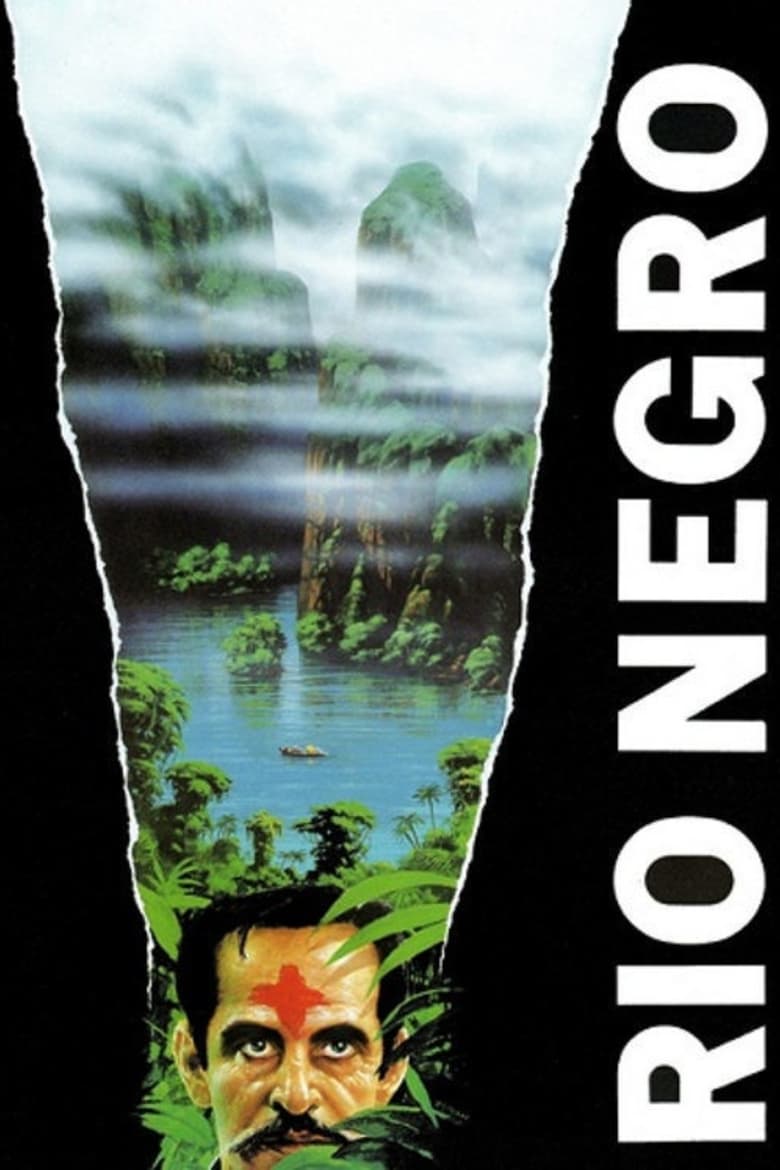
Black River
Río Negro is the struggle of two men, Osuna and Funes, hungry for power and wealth in a small town in Venezuela, during the dictatorship of Juan Vicente Gómez
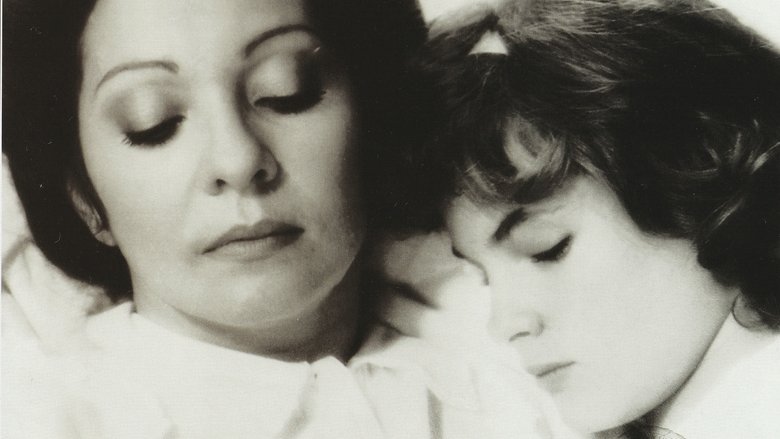
Oriana
A young girl is sent to a Venezuelan hacienda, where she learns about the life of her reclusive aunt, Oriana.
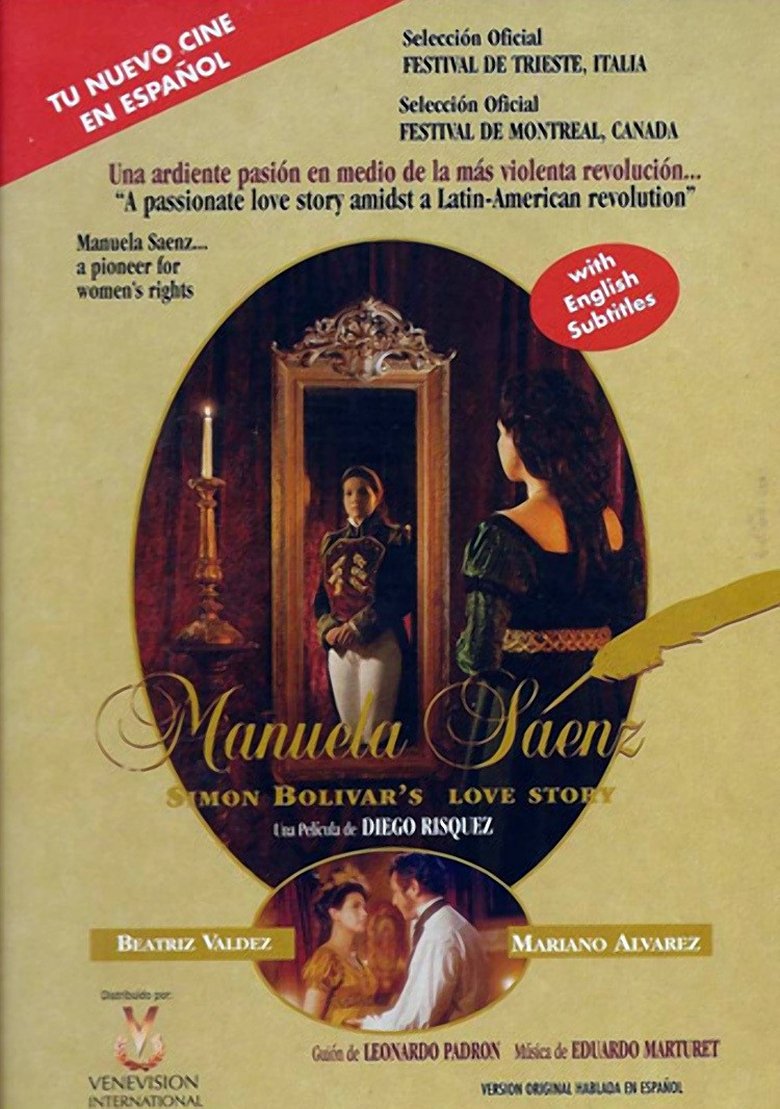
Manuela Sáenz
In 1856, a whaler arrives in Paita, Peru; on board is Herman Melville, who is astonished to learn that Manuela Sáenz, for eight years the lover of Simón Bolívar, is still alive. He calls on her, and although she will not talk to him about her life, his visit sends her to her chest of Bolívar's letters. As she reads them, the sepia-toned present gives way to flashbacks in color: she meets 'the Liberator' in 1822, becomes his lover, and also becomes a colonel in his military movement to realize the 'Gran Colombia', one nation across South America. As plague (brought by the ship) closes in on Manuela's household, so does her tempestuous story move toward Bolívar's betrayal and death.
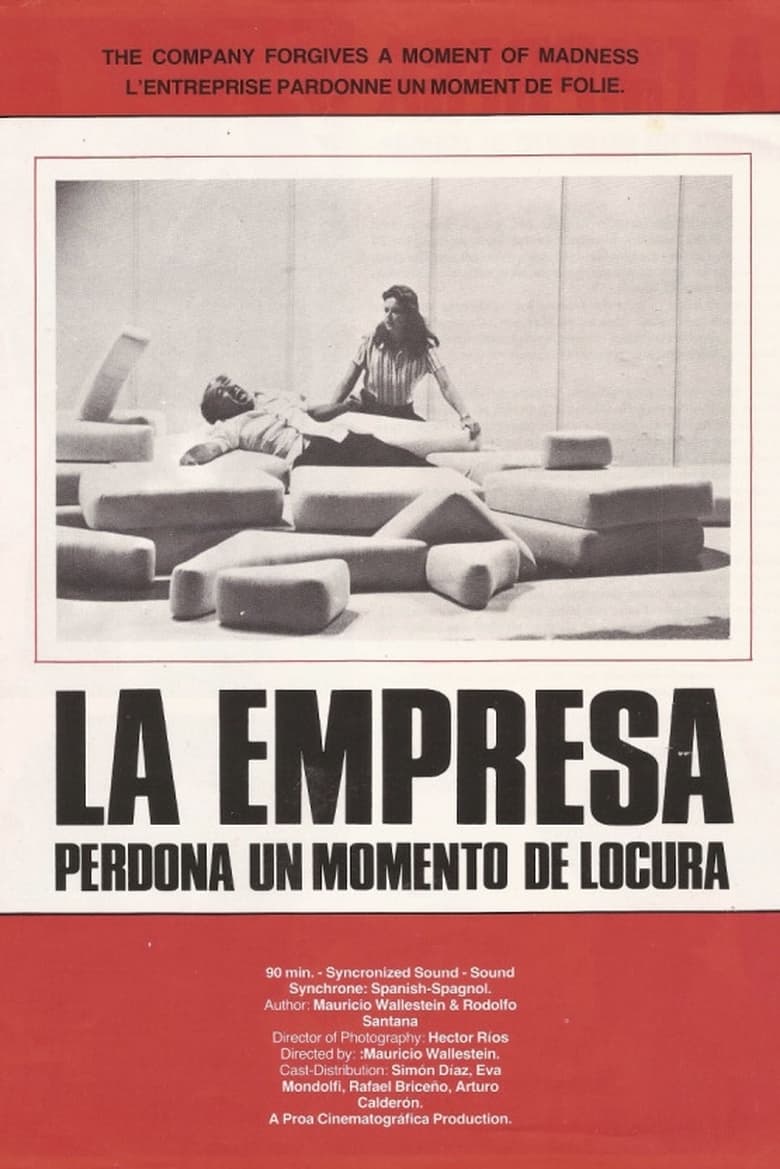
The Company Forgives a Moment of Madness
A skilled worker has a sudden nervous breakdown at the company for which he has been working for the last 20 years. He attacks the machines and smashes the windows. The company decides to have him undergo treatment with a well-known young psychiatrist. She will try to bring light the reasons for his behavior so he can adapt himself to his work once again.
Filmography
as Abuelo de Rafael
as Ezequiel
as Carrera
as Pelayo
as Sánchez
as Juvencio Nava
as Manuel
as Jacinto