

Aud Egede-Nissen
Acting
Biography
Aud Egede-Nissen was a Norwegian stage and screen actress, and producer. She made her acting debut on the Norwegian stage in 1911, appearing next in Norwegian director Bjørn Bjørnson's 1913 film "Scenens børn". She first moved to Denmark and later Bjørn Bjørnson invited her to Berlin, where there were opportunities in the rapidly expanding film industry.
Born: May 29, 1893
Place of Birth: Bergen, Norway
Known For
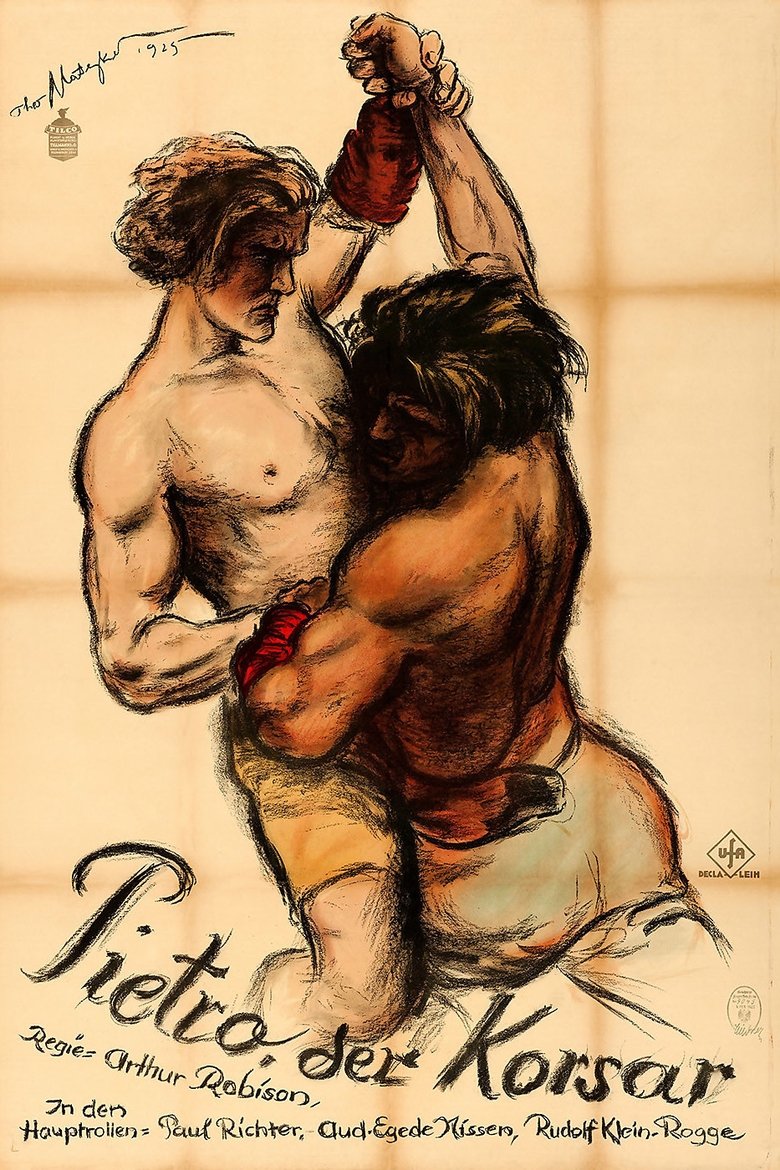
Pietro der Korsar

Dr. Mabuse, the Gambler
Dr. Mabuse and his organization of criminals are in the process of completing their latest scheme, a theft of information that will allow Mabuse to make huge profits on the stock exchange. Afterwards, Mabuse disguises himself and attends the Folies Bergères show, where Cara Carozza, the main attraction of the show, passes him information on Mabuse's next intended victim, the young millionaire Edgar Hull. Mabuse then uses psychic manipulation to lure Hull into a card game where he loses heavily. When Police Commissioner von Wenk begins an investigation of this mysterious crime spree, he has little to go on, and he needs to find someone who can help him.

People Among Us
Gerhard Lamprecht sketches a cross-section of Germany's new post-war society, with its winners, social climbers, and losers, represented by the social microcosm of an apartment building. The gossip-mad Frau Mierig from the rear building gives the newly-arrived Frau Kaminski, the janitor's wife, a lively initiation into the tenants and their peculiarities.

The Mysterious Book
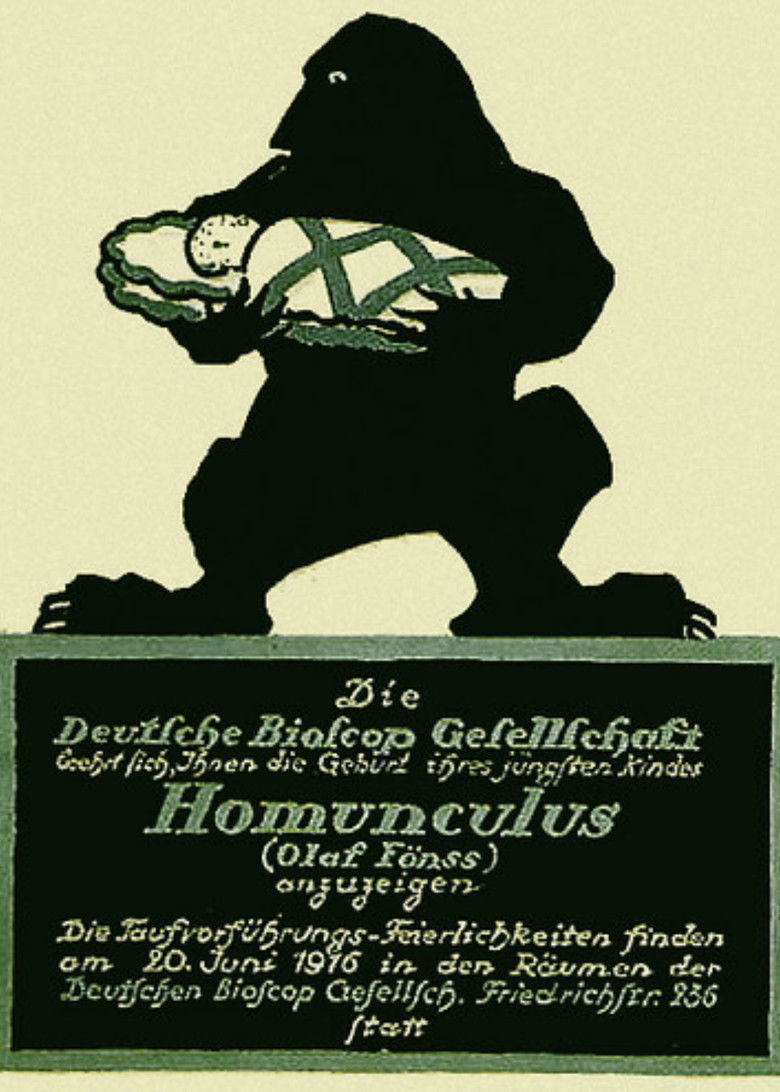
The Love Tragedy of the Homunculus
The homunculus and his companion Edgar Rodin make an invention that would allow the hateful homunculus to destroy the world. But first he wants to find out about love. When he observes how young Anna is rejected by her parents, he takes care of her and asks her parents for forgiveness - without success. He brings her to her seducer, who also rejects the girl. The homunculus then takes revenge by ruining the man financially and throwing Anna at his feet. But she still loves the villain and asks Homunculus for mercy. The homunculus cannot understand this feeling of love - he wants to try it out on himself. He puts a young woman who loves him to the hardest test, but she will do anything for him, sacrificing her fiancé and her parents. Only when he reveals his artificial nature to her, she leaves him. This experience confirms the homunculus in his intention to destroy mankind.

The Destruction of Mankind
For a long time the homunculus had to hide from his pursuers. But now he mingles with humanity again and sows discord, strife and murder. One day, when he meets an orphaned girl, he takes her to the shepherd Rudolf's parents. His goal is to pair the two together in order to breed a new human race from them. To this end, he kidnaps her to a deserted island. But the plan fails because Rudolf tries to kill the homunculus after learning his true identity. In revenge, the homunculus destroys the entire island, including the young couple. His hitherto loyal companion Edgar Rodin is so horrified by this deed that he renounces the homunculus and threatens him with death.
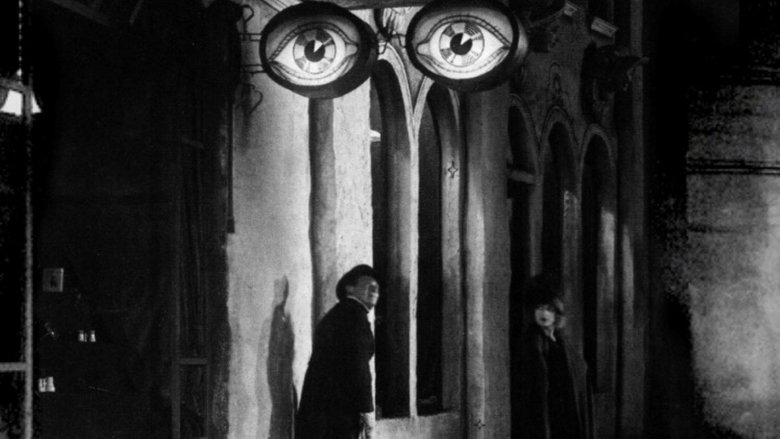
The Street
The movie follows two distinct plot lines until the two eventually merge: the first is that of the bored middle-aged man seeking a departure from monotony in his life; the second is that of the blind man and the little boy, his grandson, who are interdependent. None of the characters have been given names and are therefore referred to only by description. The city is an expressionistic nightmare, a dangerous and chaotic place.
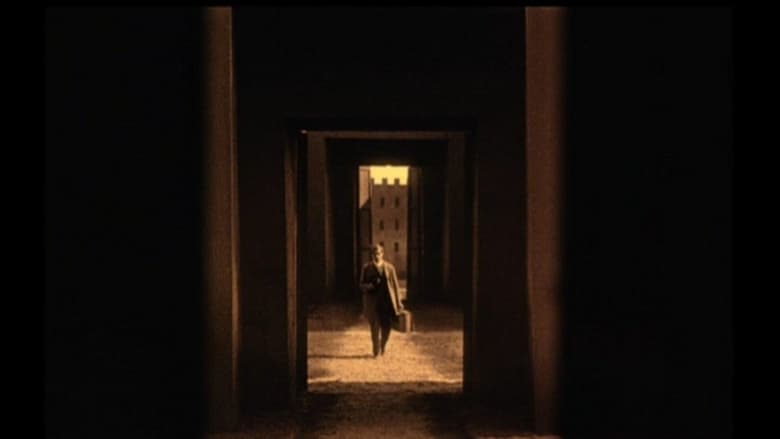
Phantom
Lorenz Lubota is a city clerk with no direction in life. One day on his way to work he is run over by a woman driving a chariot and he is immediately infatuated with her.
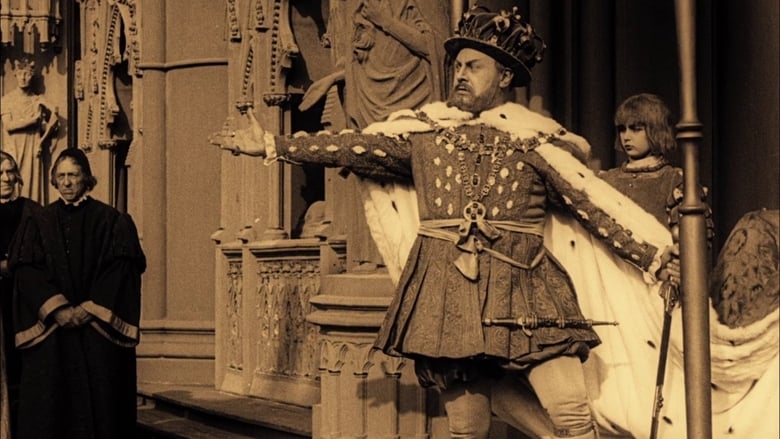
Anna Boleyn
The story of the ill-fated second wife of the English king Henry VIII, whose marriage to the Henry led to momentous political and religious turmoil in England.
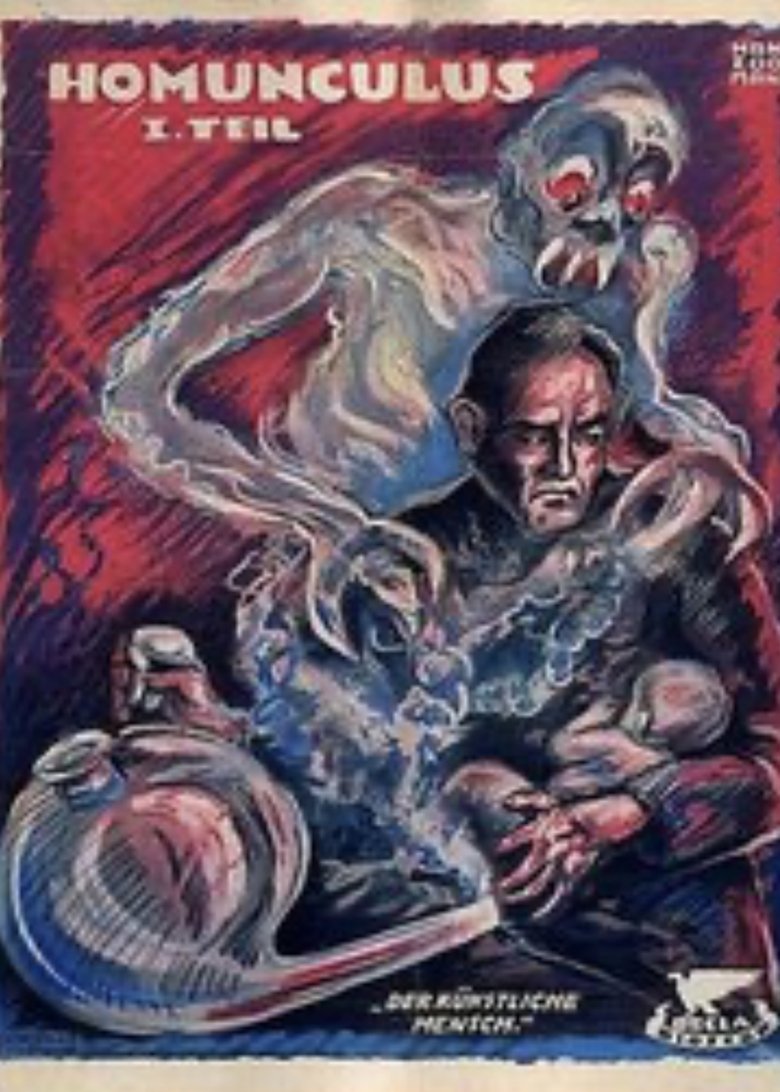
The Artificial Man
Part of the artificial-creature series encompassing Der Golem (1914 and 1920), Alraune (1918, 1928, 1930) and Metropolis (1926), 'Homunculus' was the most popular serial in Germany during World War I even influencing the dress of fashionable Berlin. Foenss, a Danish star, is the perfect creature manufactured in a laboratory by Kuehne. Having discovered his origins, that he has no 'soul' and is incapable of love, he revenges himself on mankind, instigating revolutions and becoming a monstrous but beautiful tyrant, relentlessly pursued by his creator-father who seeks to rectify his mistake.
Filmography
as Isabella Winge
as Emma
as Grete Elstad
as Miss Mabel Douglas
as Grete Gerson
as Ronna
as Gertrud Köhler
as Emma
as Princess Eboli
as Dirne
as Blanche Duval
as Melanie Lubota
as Cara Carozza
as Ellen Esmond
as Jane Seymour
as Haidee
as o. A.
as o. A.
as o. A.
as o. A.
as Mia Szomory
as Christine Daaé
as Ellen