
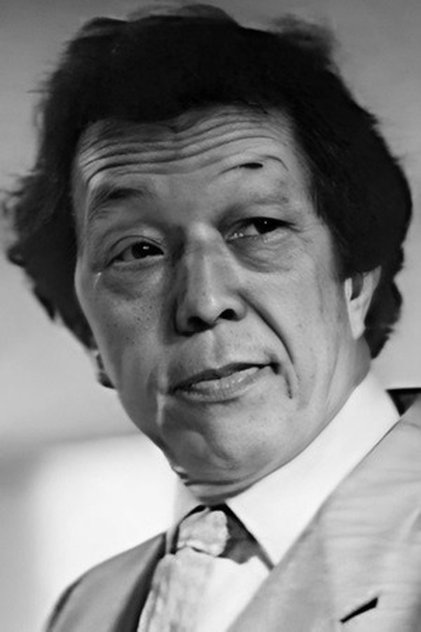
Baiten Omarov
Acting
Biography
Baiten Valikhanovich Omarov (Kazakh: Байтен Валиханович Омаров; born May 10, 1927 — died February 16, 2008; Pavlodar) was a Soviet and Kazakhstan theater director, actor, public figure and teacher. He was born in the Pavlodar region of Kazakhstan (then the Kazakh SSR). In 2012, thanks to the patrons, children and students of Bayten Omarov, in memory of him and his work, the Almaty theater "Zhas Sakhna" was created. People's Artist of the Kazakh SSR (1987).
Born: April 11, 1927
Place of Birth: Pavlodar, Kazakh SSR, USSR
Known For

By the Field's Curb
The famous striker of the capital's football team Askar Temirov, having said goodbye to big sports, returns to his hometown to train the regional team.
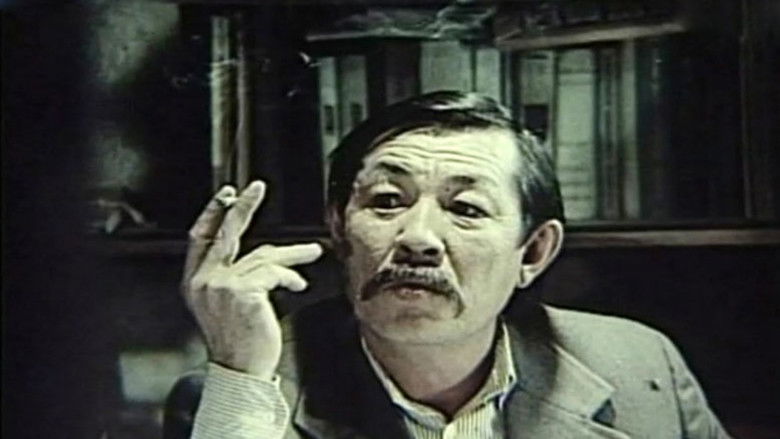
The Deer Man
High in the mountains, the forester Aktan lives alone with his mute aunt in an abandoned village. People's lives seem wrong and vain to him. But he likes his own less and less. A collision with people who predationally exploit nature forces Actan to actively interfere in their lives.
The Eastern Corridor, or Racket in the Style of...
In an old castle, the residence of a criminal authority, turned into a torture chamber for «knocking out» money from intractable businessmen, a representative from Moscow is waiting. The purpose of his visit is to pave the way for the territorial redistribution of zones of influence of bandit groups.
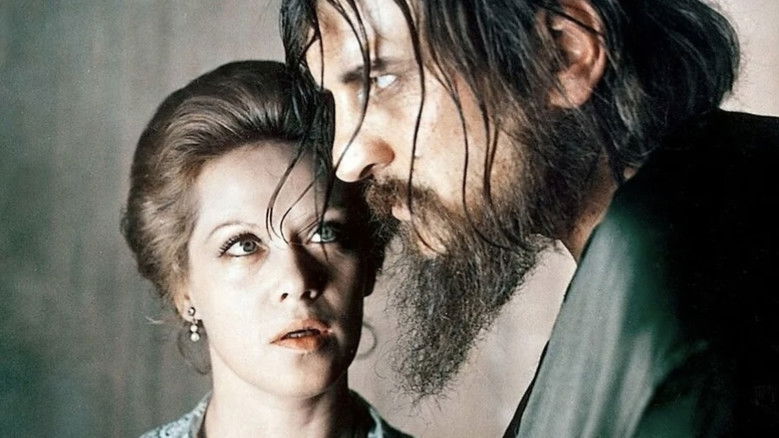
Agony: The Life and Death of Rasputin
Russian monk Grigori Rasputin rises to power, which corrupts him along the way. His sexual perversions and madness ultimatly leads to his gruesome assasination.

Revenge
Enraged, a teacher murders a young pupil. Over the years, another boy is bred for one sole purpose: to avenge his sister’s death.
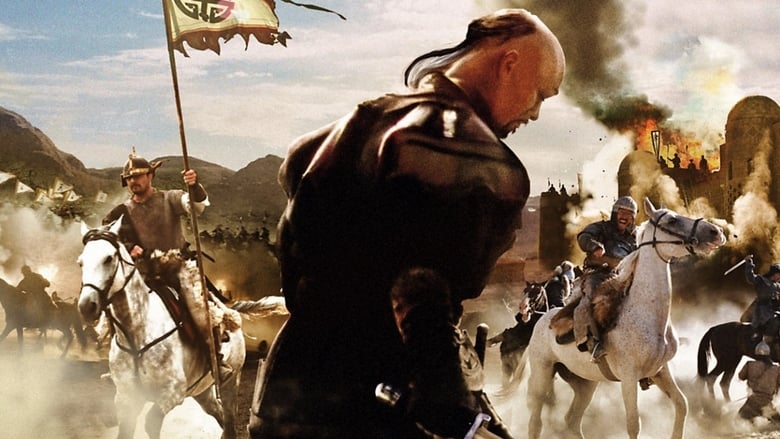
Nomad: The Warrior
The Nomad is a historical epic set in 18th-century Kazakhstan. The film is a fictionalised account of the youth and coming-of-age of Ablai Khan, as he grows and fights to defend the fortress at Hazrat-e Turkestan from Dzungar invaders.
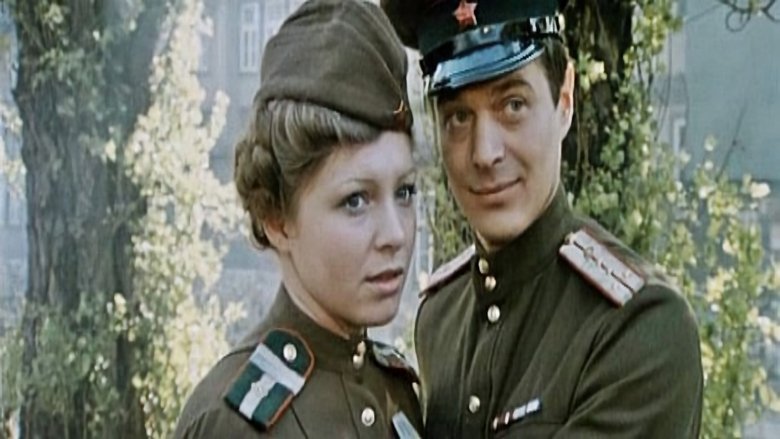
Via Gobi and Khingan
About the events of the final stage of the Second World War — the defeat by Soviet and Mongolian troops of the selected Kwantung army. Bacteriological weapons were created in the laboratory of Japanese General Ishii Shiro. Experiments were conducted on prisoners of war and political prisoners. Epidemiologist Dmitry Sokolov was assigned to solve the mystery of this laboratory. At the cost of his own life, he completed the task. The march of Soviet and Mongolian formations through the Gobi sands and the Khingan spurs was not only a brilliant military operation, but also a warning of the use of bacteriological weapons by Japan.
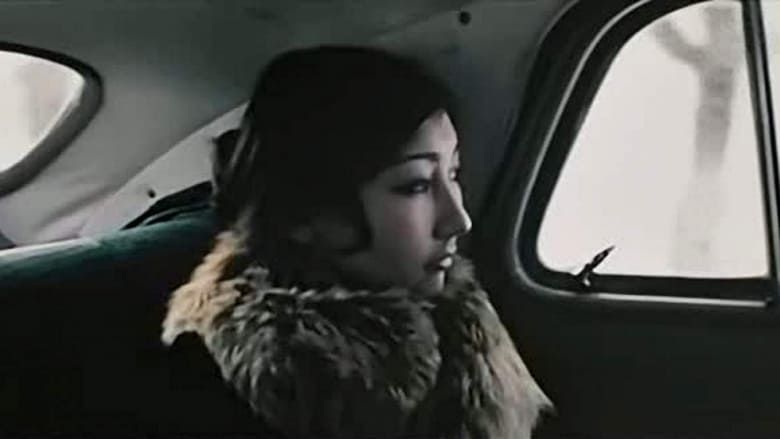
Triptych
Three women’s lives intersect in a small town in Uzbekistan following the Second World War. The first, an old woman trapped in a forced marriage; the second, a schoolteacher intent on imposing progress on the remote region; the third, a young woman determined to build her own house without her husband’s or the state’s approval.
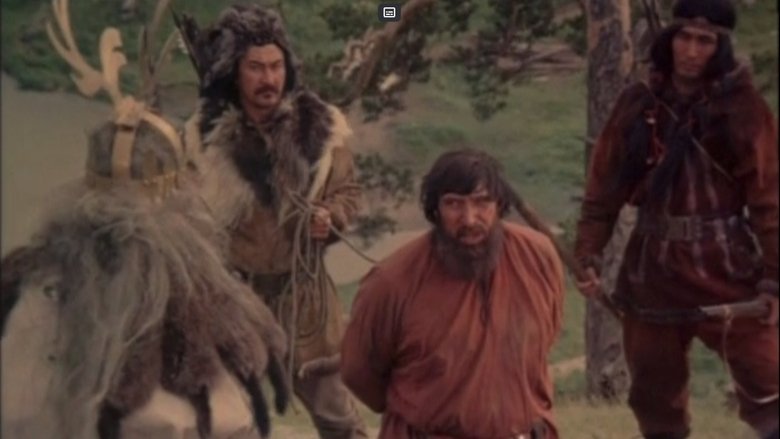
Golden Woman
1734. In the north of the Urals, in the impenetrable forests of Orthodox Russia, one of its small nationalities lives — the Voguls, who have preserved the rituals and customs of their ancestors. Like any nation, the Voguls have their own history, traditions and gods, the main one of which is the golden goddess, the patroness of the Voguls. Once upon a time, many centuries ago, she stood on the top of a mountain, and anyone could come and ask for her help.
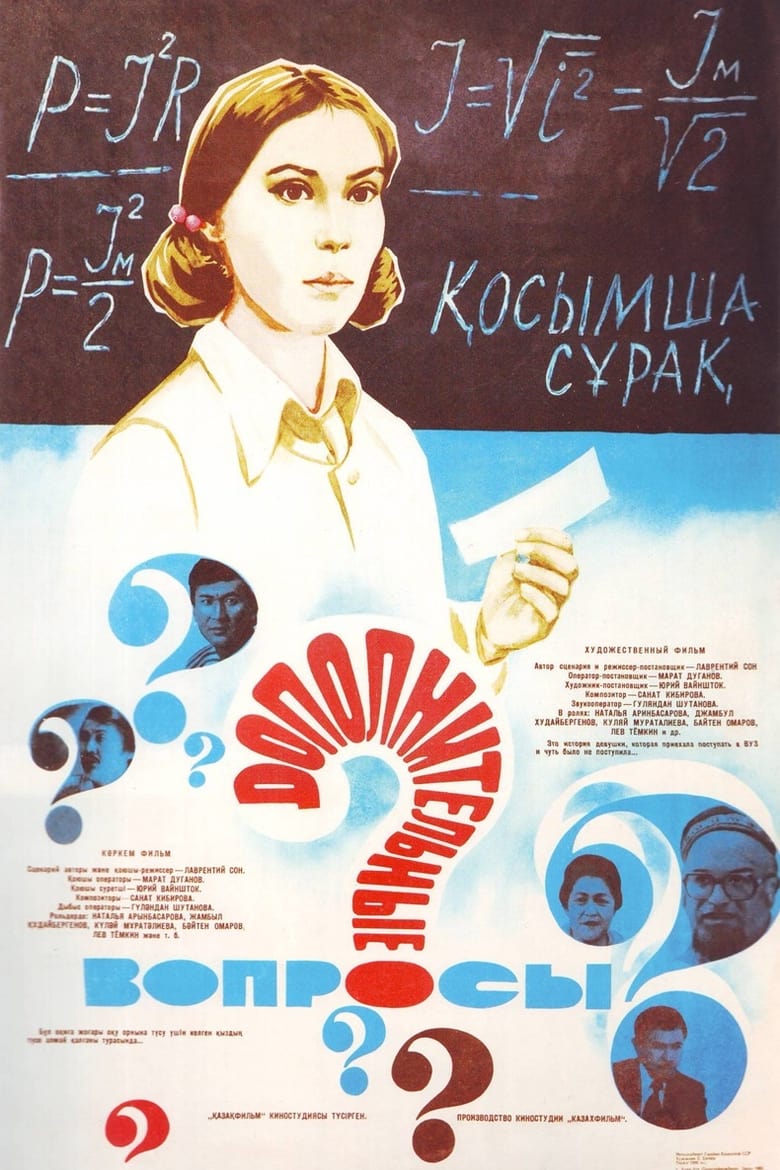
Additional Questions
The heroine of the film Karagoz Alimbayeva comes from the village, where she worked as a zoo technician for five years, to the city to enter the veterinary institute. Having brilliantly passed the profile subjects, Karagoz gets a three on the last physics exam and, having failed to get one point, must return to the village.