

Barbara Połomska
Acting
Biography
No biography available for Barbara Połomska.
Born: January 9, 1934
Place of Birth: Bydgoszcz, kujawsko-pomorskie, Polska
Known For

Priest Daens
In the 1890s, Father Adolf Daens goes to Aalst, a textile town where child labor is rife, pay and working conditions are horrible, the poor have no vote, and the Catholic church backs the petite bourgeoisie in oppressing workers. He writes a few columns for the Catholic paper, and soon workers are listening and the powerful are in an uproar. He's expelled from the Catholic party, so he starts the Christian Democrats and is elected to Parliament. After Rome disciplines him, he must choose between two callings, as priest and as champion of workers. In subplots, a courageous young woman falls in love with a socialist and survives a shop foreman's rape; children die; prelates play billiards.
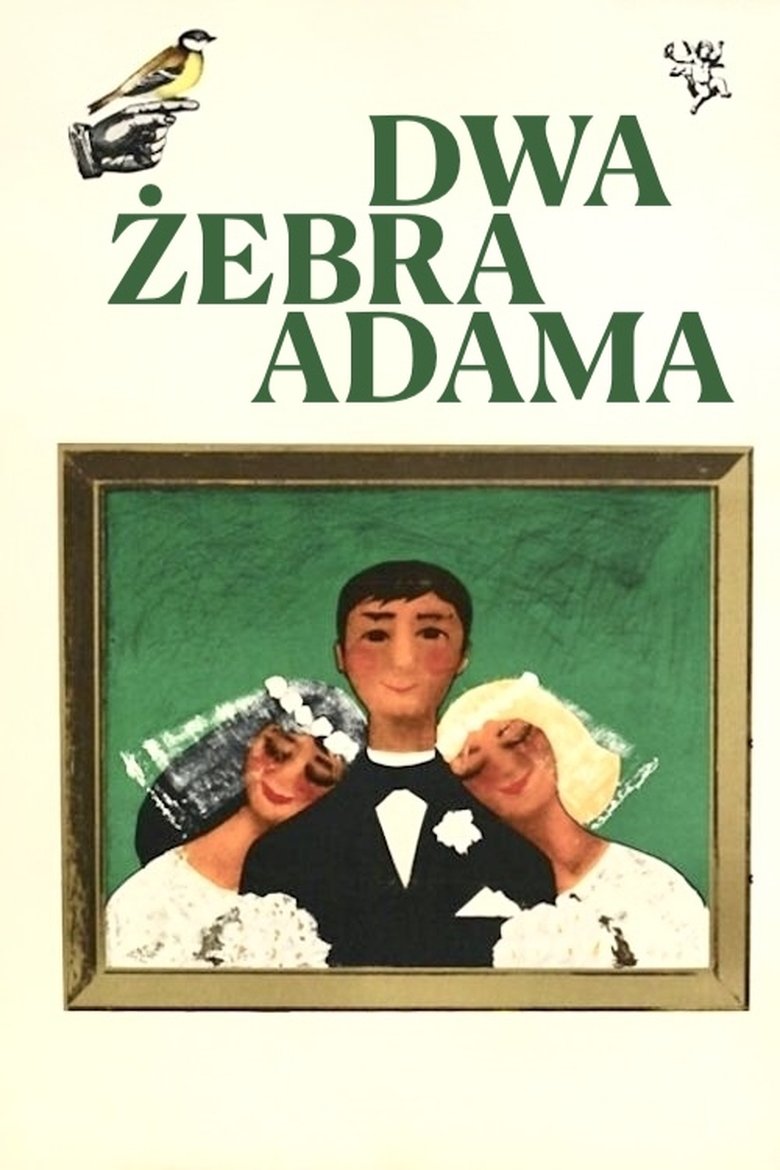
Adam's Two Ribs
An engineer comes home from abroad to his waiting wife. After some time, his second wife, an Italian one, joins him. For a small town, such a triangle will turn out to be unacceptable, especially since the spouses live peacefully under one roof.
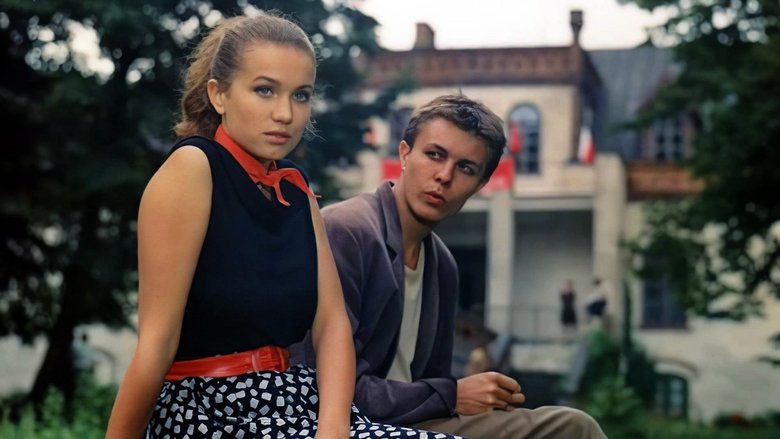
By the River Nowhere
Early 1960s. Four friends, Admiral, Ataman, Pasha and Chief, walk the streets of the town all day or sit at the train station, wallowing in their dreams. Everything changes when the Admiral meets Marta, a student on an internship. The boy begins to prefer the company of the girl over that of his colleagues. This becomes the cause of misunderstandings between friends. Soon, however, Marta leaves.
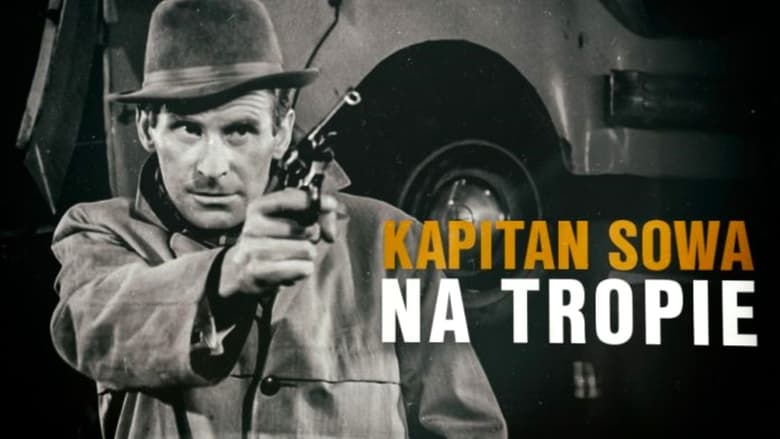
Kapitan Sowa na tropie
Kapitan Sowa na tropie is a Polish series from 1965 directed by Stanisław Bareja. It was the first Polish criminal series made after World War II.
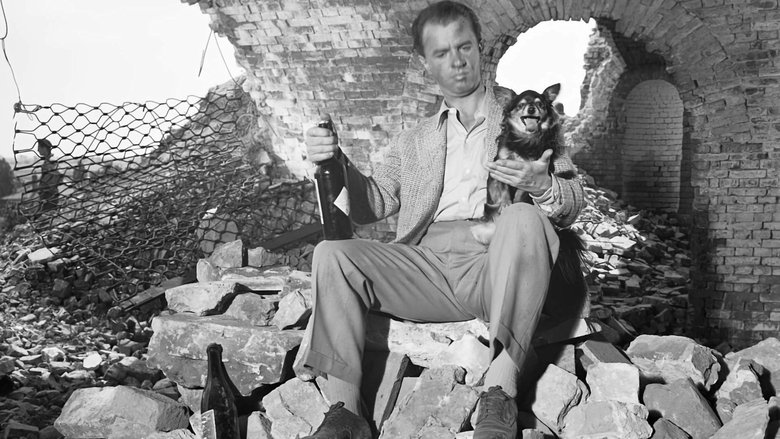
Eroica
Tells two tales set during WWII: A seemingly feckless and selfish man finally takes up arms in the national struggle against the Nazis. Set in a POW camp, Polish inmates cling to their hopes for an eventual escape, encouraged by the legendary escape of one of their own.
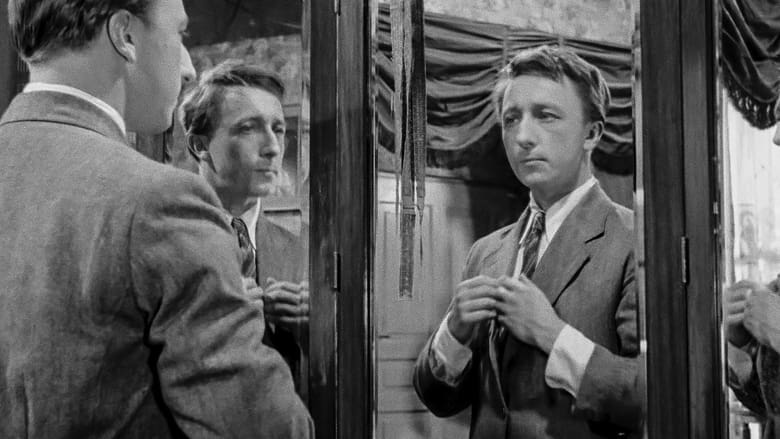
Bad Luck
To convince the prison warden against releasing him, a middle-aged Polish man recounts his life, one he considers to have been characterized by exceptionally bad luck.

Fucha
Stonemasons take part in the restoration of a historic tomb.
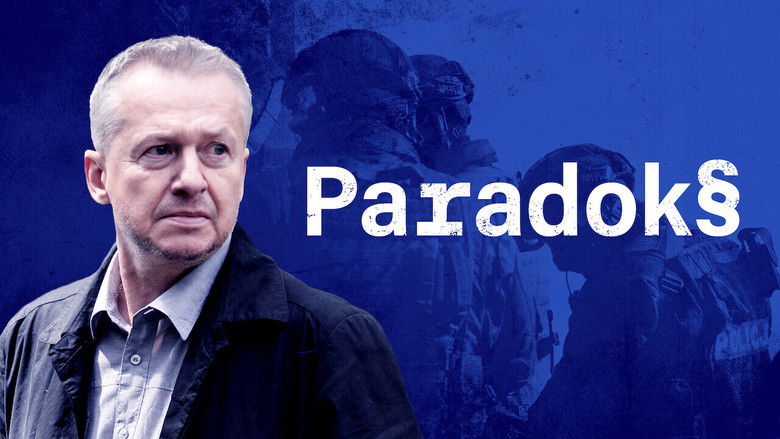
Paradox
A bright, young officer joins General Police Headquarters to investigate one of its lead inspectors and the criminal cases he's working on.
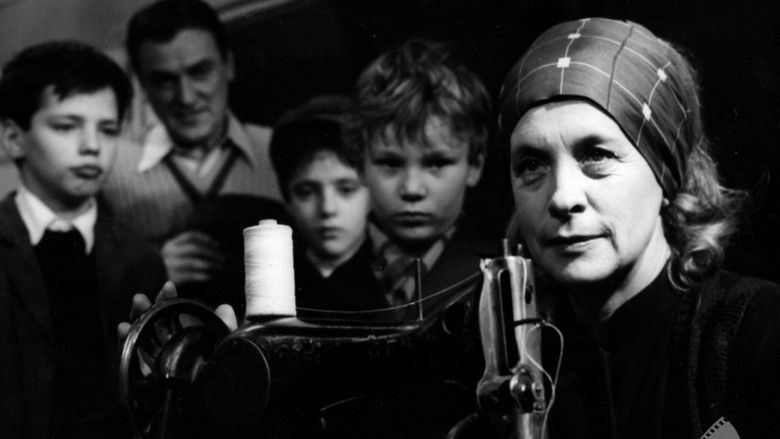
The Mother of the Kings
Made in 1982, shelved for five years. Story opens with Lucja Krol's husband under the tram. She gives birth to her fourth son on the floor of their new apartment. Neighbor Wiktor, a communist intellectual, befriends the poverty-stricken family but is soon arrested and sent to jail. During the war Lucja narrowly escapes a Nazi roundup at the black market. Her sons hold ardent Communist meetings in their apartment, with her blessing. Lucja works hard, but without complaint. After the war, Klemens is inexplicably arrested, accused by the new regime of being a collaborator. Wiktor, now a high-ranking party member, trying to defend him, himself falls into disgrace. Klemens is tortured to "confess" and dies in jail, a Communist to the end. Lucja is never told about his fate.
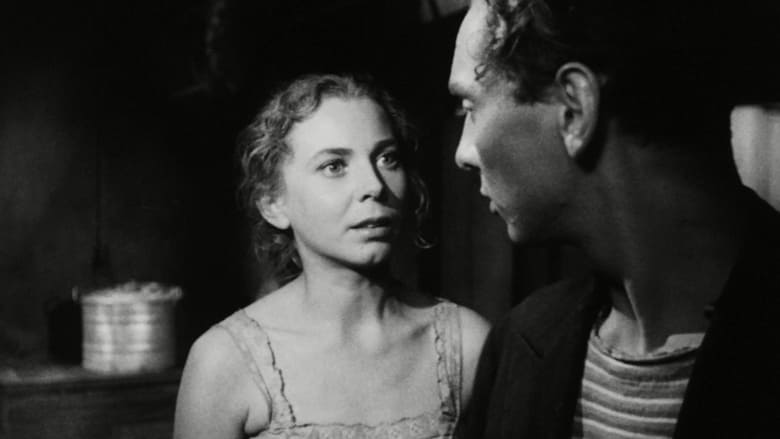
Shadow
A man has been found dead after having been hurled from a train. As security agents, police and a medical examiner piece together his identity, three accounts emerge: one set during World War II, one in the immediate aftermath of the war, and one in contemporary Poland.
Filmography
as Leokadia
as Zosia, była żona "Dzidziusia"
as Neighbour
as Woman giving out Soup
as Matka "Admirała"
as Majewska, sąsiadka Łucji
as właścicielka kawiarni
as Restaurant Patron (uncredited)
as Stefania Chomicz
as Franciszek's First Wife (uncredited)
as Diana
as Lída
as Basia
as WAF Officer (uncredited)
as Zosia Jelonka
as Basia
as Irena Stępowska
as Ela, Agnieszka's friend
as Zosia (segment "Scherzo alla Polacca")
as Baśka
as Sawa
as Stefan's Friend
as Girl at the Field Kitchen (uncredited)
as Schmidt's bride