
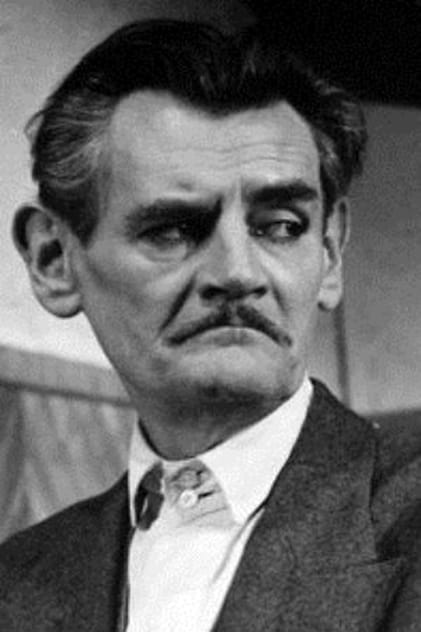
Bertalan Šolti
Acting
Biography
No biography available for Bertalan Šolti.
Born: March 14, 1913
Place of Birth: Temesvár, Austria-Hungary [now Timisoara, Timis, Romania]
Known For

Yesterday
October, 1956. Colonel lieutenant Szabó sends a platoon with the mission of calming the people demonstrating in the town. The platoon is lined up under the command of Lieutenant Csendes and the soldiers aim at the demonstrators. Szusza Kis changes sides, and Csendes is unable to shoot at his childhood mate. They withdraw.

The Smugglers
In the thirties, the poor living by the Romanian-Hungarian border were forced to smuggle if they wanted to survive. Mihály, a Hungarian peasant, kills a border guard while fleeing. He is fed up with smuggling and wants to put an end to it, yet he needs money to get a job, so he embarks on another turn.
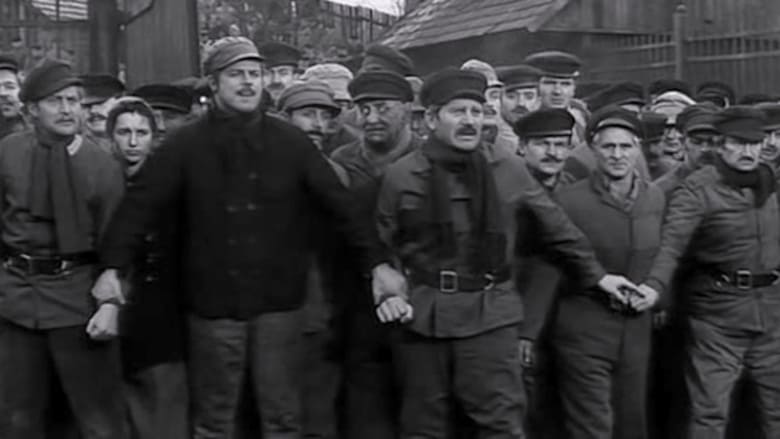
Germinal
Dismissed from the railroads in 1863 for his union activities, Etienne Lantier found a job at the Voreux coal mine. But work was hard, wages were low and safety left much to be desired. Lantier tried to organize the miners into a union. When mine manager Hennebeau refused to negotiate, the workers launched a general strike, which ended with the intervention of the troops.
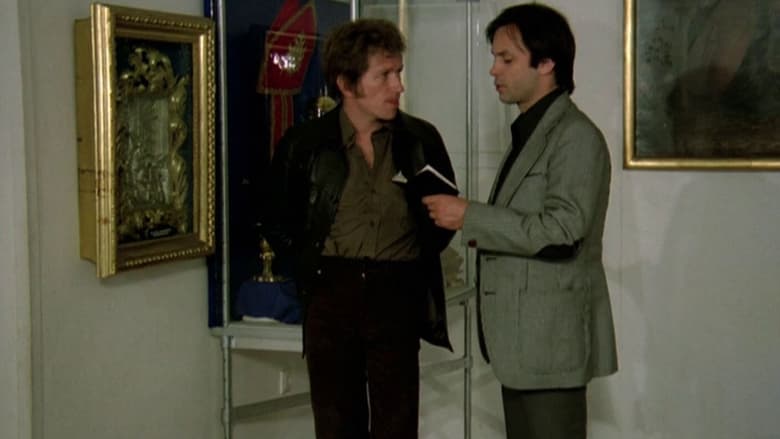
The Pagan Madonna
The unique statue of the ancient fertility goddess Demeter, known as the "Pagan Madonna" is stolen from the museum, located in a small town on Lake Balaton. At the same time seriously wounded a servant of the museum. The abduction of the museum's priceless statues of pure gold is investigated by the then young and inexperienced investigator Kardos and lieutenant "Droplet".

My Way Home
In the aftermath of World War II, a Hungarian teenager, captured by Soviet troops, forms an unlikely bond with a Russian soldier in a remote prison camp.
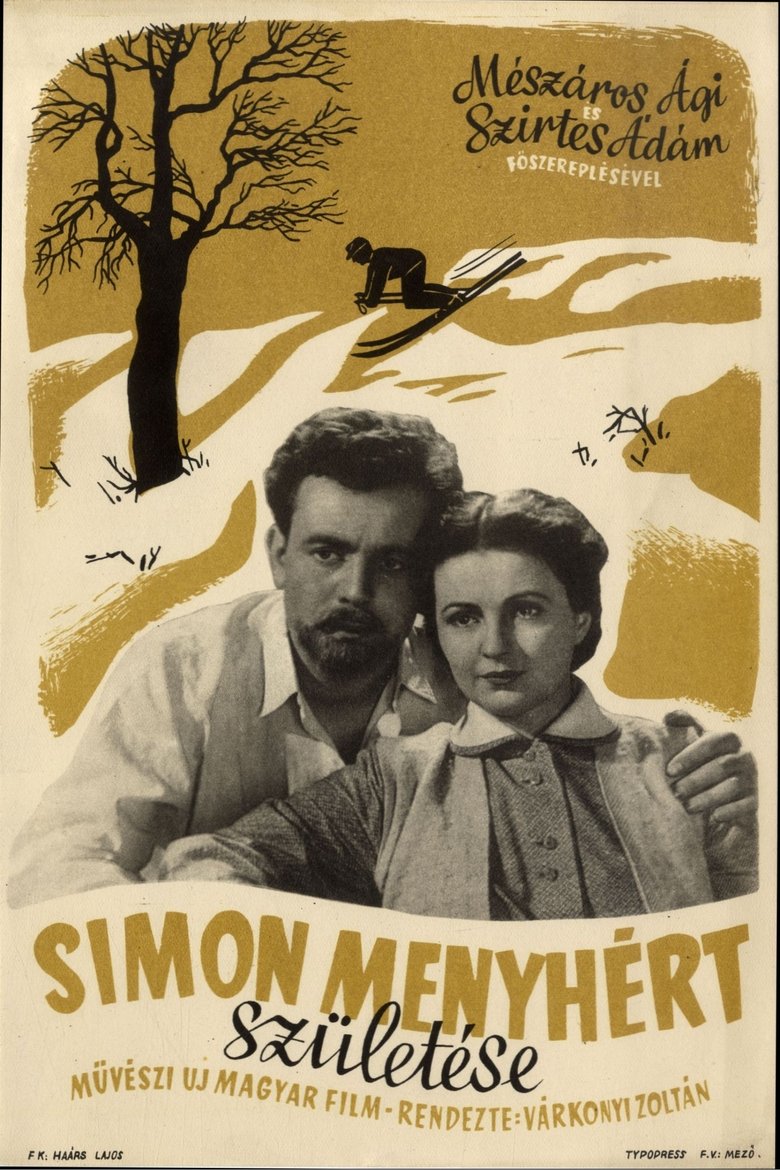
The Birth of Menyhért Simon
Every member of a small community in the snow-capped Bükk Mountains is trying to help the doctor get to István Simon forester's house where his wife is about to give birth to their first child.
Hungarians
A group of landless Hungarian peasants accept work as migrant-laborers on a farm in northern Germany where the wages are good, and the wives and family are allowed to accompany them. Though it is in the midst of World War II, they are relatively well-off. However, they glimpse the treatment accorded to POWs and others who are not so gently treated, and at the conclusion of the year's harvest, they choose to return to Hungary and are quickly swept up in the tides of war. This film is part of a series of films by award-winning, well-respected director Zoltan Fabri who devoted much time and effort chronicling the struggle against fascism.

Red Psalm
Set in the 1890s on the Hungarian plains, a group of farm workers go on strike in which they face harsh reprisals and the reality of revolt, oppression, morality and violence.
Hungarian Rhapsody
The movie portrays a peasant revolt in Hungary in the early twentieth century.
A Sunday Romance
The poetic love story depicting everyday life from a micro-psychological aspect takes place in the 1910s. Sándor, editor of the local paper, serves as a foot soldier on Sundays, but spends weekdays playing billiard and courting women. One Sunday afternoon - in soldier's uniform - he meets Vilma, the beautiful maid, whose honesty and chastity turns the adventure to love.
Filmography
as Siminszki
as Öreg Bankós
as János Szabó
as Gyurka, gazdatiszt
as Old fiddler
as Ambrus Mirki
as Gerzson Kocsis
as Lézengõ magyar katona
as (uncredited)
as Apa
as Árgyelán Tógyer
as Bóna
as Doctor