
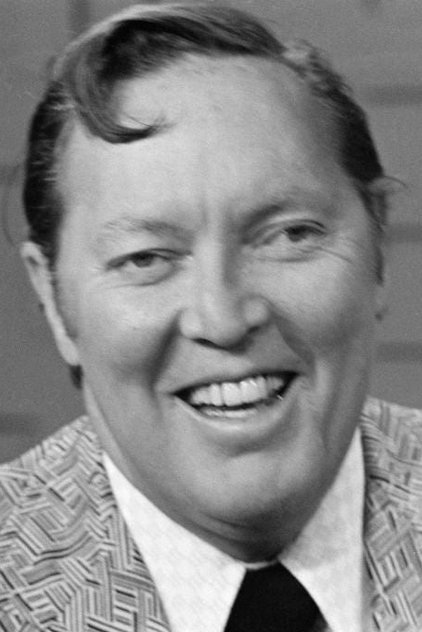
Bill Haley
Acting
Biography
William John Clifton Haley (July 6, 1925 – February 9, 1981) was an American rock and roll musician. He is credited by many with first popularizing this form of music in the early 1950s with his group Bill Haley & His Comets and million-selling hits such as "Rock Around the Clock", "See You Later, Alligator", "Shake, Rattle and Roll", "Rocket 88", "Skinny Minnie", and "Razzle Dazzle". Haley has sold over 60 million records worldwide. In 1987, he was posthumously inducted into the Rock and Roll Hall of Fame.
Born: July 6, 1925
Place of Birth: Highland Park, Michigan, USA
Known For

American Bandstand
American Bandstand was an American music-performance show that aired in various versions from 1952 to 1989 and was hosted from 1956 until its final season by Dick Clark, who also served as producer. The show featured teenagers dancing to Top 40 music introduced by Clark; at least one popular musical act—over the decades, running the gamut from Jerry Lee Lewis to Run DMC—would usually appear in person to lip-sync one of their latest singles. Freddy "Boom Boom" Cannon holds the record for most appearances at 110. The show's popularity helped Dick Clark become an American media mogul and inspired similar long-running music programs, such as Soul Train and Top of the Pops. Clark eventually assumed ownership of the program through his Dick Clark Productions company.
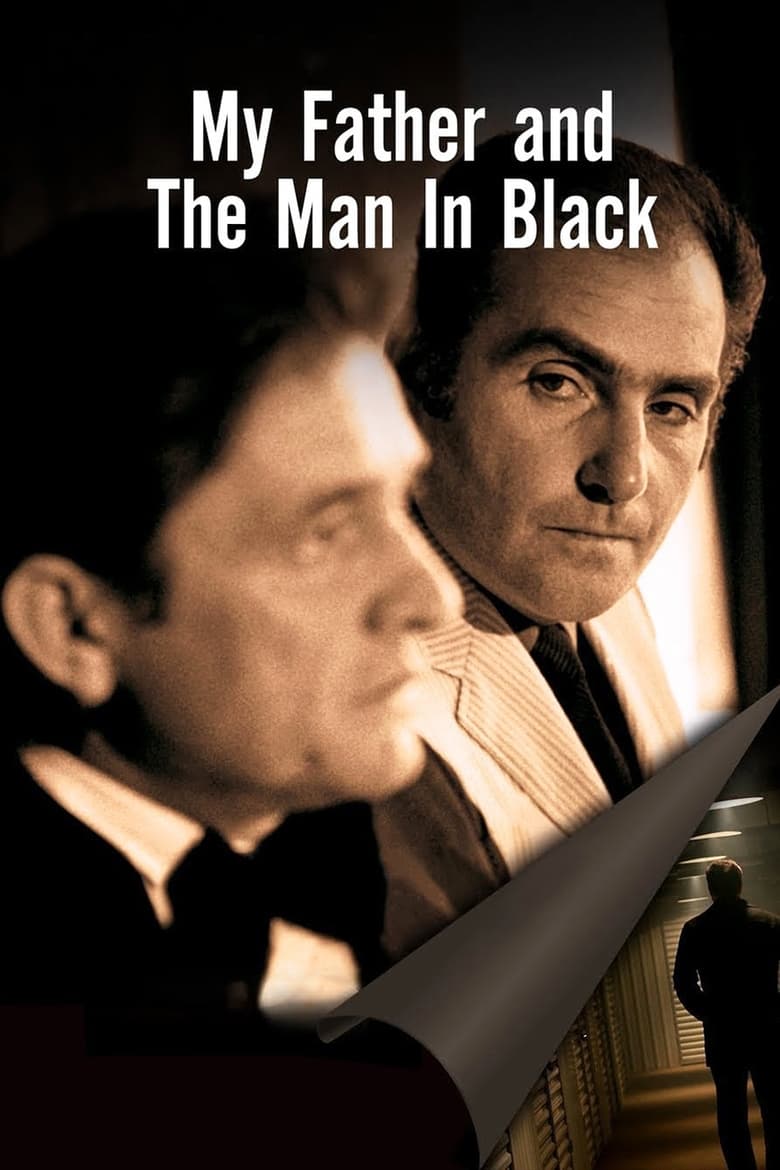
My Father And The Man In Black
The story of promoter Saul Holiff's turbulent life and his success making Johnny Cash a superstar.
Music of Always
Producer, director and projectionist watch an assortment of musical numbers and brainstorm about framing narrative that could contain them all.
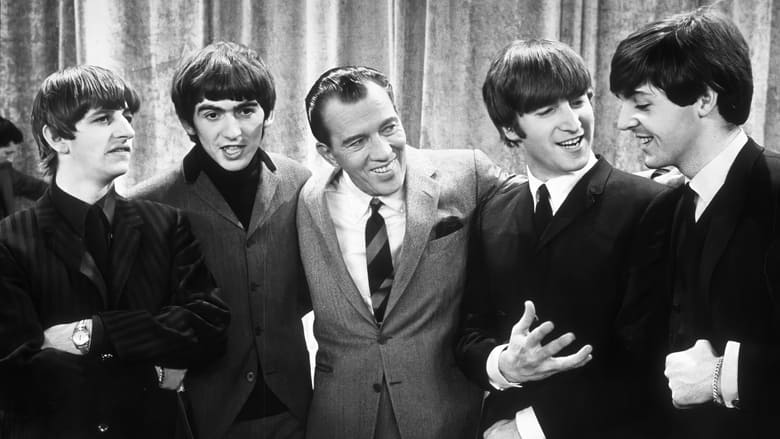
The Ed Sullivan Show
The Ed Sullivan Show is an American TV variety show that originally ran on CBS from Sunday June 20, 1948 to Sunday June 6, 1971, and was hosted by New York entertainment columnist Ed Sullivan. It was replaced in September 1971 by the CBS Sunday Night Movie, which ran only one season and was eventually replaced by other shows. In 2002, The Ed Sullivan Show was ranked #15 on TV Guide's 50 Greatest TV Shows of All Time.
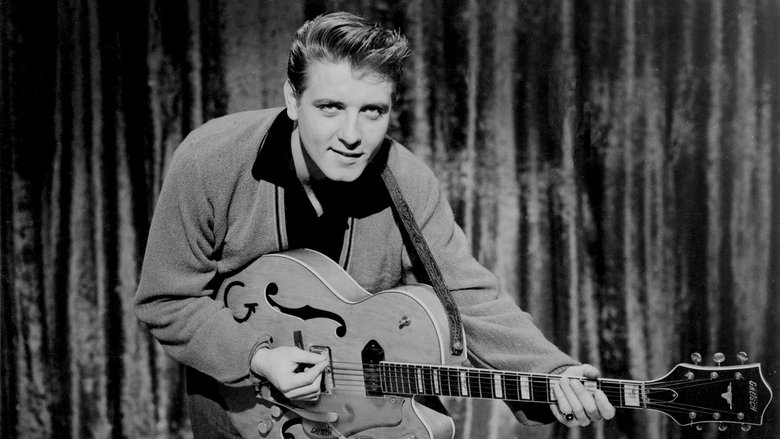
Eddie Cochran & Friends: C'mon Everybody
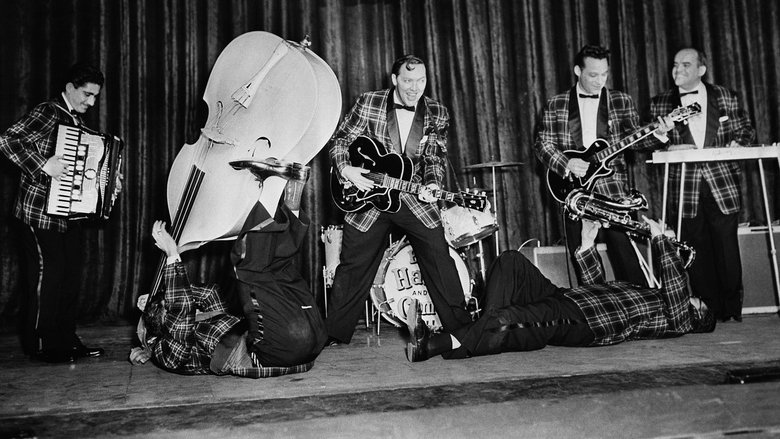
Rock Around the Clock
A frustrated big-band promoter runs in to rock-and-rollers Bill Haley and the Comets at a small-town dance. He quickly becomes their manager and, with the help of Alan Freed, hopes to bring the new sound to the entire country. But will a conniving booking agent, with a personal ax to grind with the manager, conspire to keep the band from making the big time?
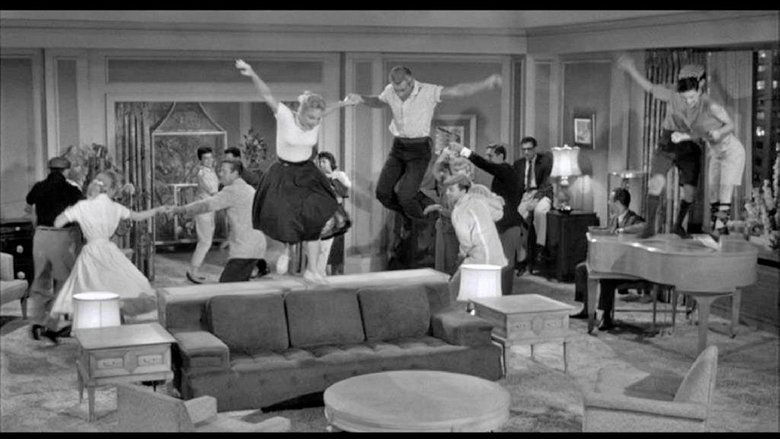
Don't Knock The Rock
Rock-and-roller Arnie Haynes returns to his hometown as a hero to the teenagers. However, the mayor and other concerned adults have banned him from performing in his hometown because they consider him and his music a negative influence on the youth. But with the help of disc jockey/publicist Alan Freed and fellow artists (including Bill Haley and the Comets and Little Richard), they hope to convince everyone that rock and roll is not as dangerous as the adults think.

Besito a papá
A young man hires somebody to impersonate his father when it comes times to meet his girlfriend's parents.
When the Music's Over
Rare clips of performance and interviews by a multiple of stars, all prematurely lost.

The London Rock and Roll Show
Filmed record of a major rock and roll festival held at Wembley Stadium, London, in August 1972. London Rock and Roll Show begins with excerpts from numerous "warm-up" performers shown singing either covers of 1950s hits, or original tunes, including a performance by Screaming Lord Sutch that threatens to end the concert prematurely when he brings a stripper on stage. The main concert segment begins with Bo Diddley and continues with a string of other major performers including Jerry Lee Lewis, Little Richard, and Bill Haley and His Comets. The concert ends with an extended performance by Chuck Berry, who at the time was enjoying major chart success in Britain and the US with his "My Ding-a-Ling" (although he does not perform that song in this film). Mick Jagger also appears in several non-musical interludes in which he is interviewed about the performers.
Filmography
as Self (archive footage)
as Self (archive footage)
as Self (archive footage)
as Himself
as Self (archive footage)
as Self
as Himself
as Himself
as Self