
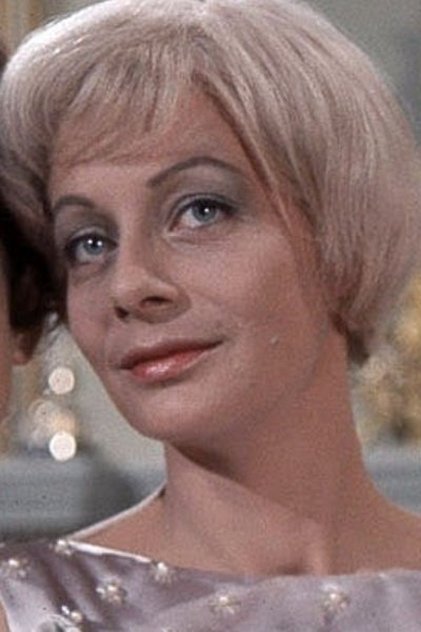
Birgitte Federspiel
Acting
Biography
From Wikipedia, the free encyclopedia Birgitte Federspiel (6 September 1925 – 2 February 2005) was a Danish film, theater and TV actress. She won two Bodil Awards for best actress in 1955 (Ordet) and 1959 (En fremmed banker på). Born Karen Birgitte Federspiel in Copenhagen, she was the daughter of actor Ejner Federspiel and Gunver Fönss. She had a notable film roles as Inger in Ordet (1955) and, in later life, as Martine in Babette's Feast (1987), while on TV she played Baroness von Rydtger in three episodes of Matador. She died in Odense in 2005, aged 79.
Born: September 6, 1925
Place of Birth: København, Danmark
Known For
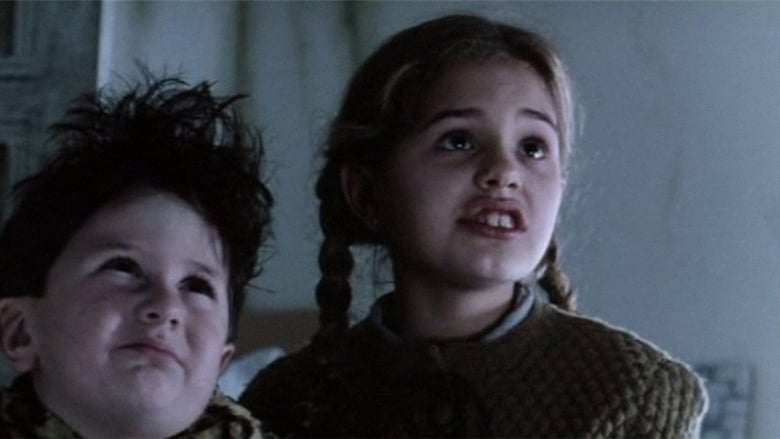
Little Big Sister
The second film of the trilogy, "It is forbidden for children". The family is pushed into depression and the heavy drinking mother Skrubsak does not help.
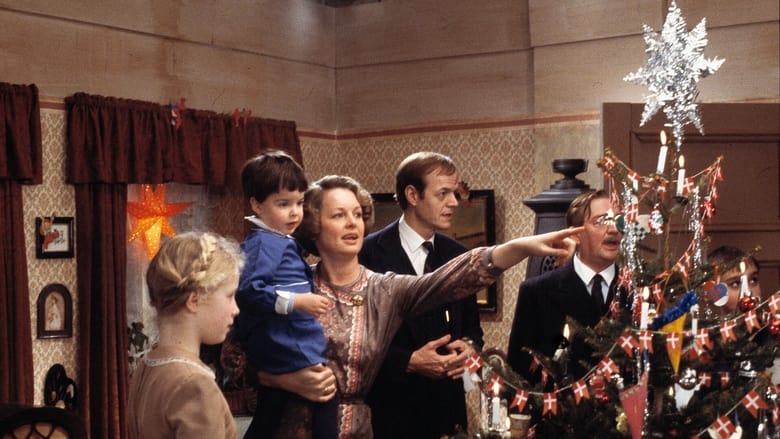
Matador
Matador is a Danish TV series produced and shown between 1978 and 1982. It is set in the fictional Danish town of Korsbæk between 1929 and 1947. It follows the lives of a range of characters from across the social spectrum, focusing specifically on the rivalry between the families of two businessmen: The banker Hans Christian Varnæs, an established local worthy, and social climber Mads Skjern, who arrives in town as the series opens. The name Matador was taken from the localised edition of the boardgame Monopoly, also the series' tentative English title. In addition, in contemporary Danish a "matador" is often used to describe a business tycoon, in the series referring to the character of Mads Skjern and his craftiness as a self-made entrepreneur. Directed by famed Danish film maker Erik Balling, Matador was the idea of author Lise Nørgaard who wrote the bulk of the episodes alongside Karen Smith, Jens Louis Petersen and Paul Hammerich. The series is one of the most well-known and popular examples of Danish television and represents the peak of longtime development of Danish TV drama by the public service channel Danmarks Radio. The series has become part of the modern self-understanding of Danes, partly because of its successful mix of melodrama and a distinct warm Danish humour in the depiction of characters, which were portrayed by a wide range of the most popular Danish actors at the time; but also not least because of its accurate portrayal of a turbulent Denmark from around the start of the Great Depression and through Nazi Germany's occupation of Denmark in World War II.
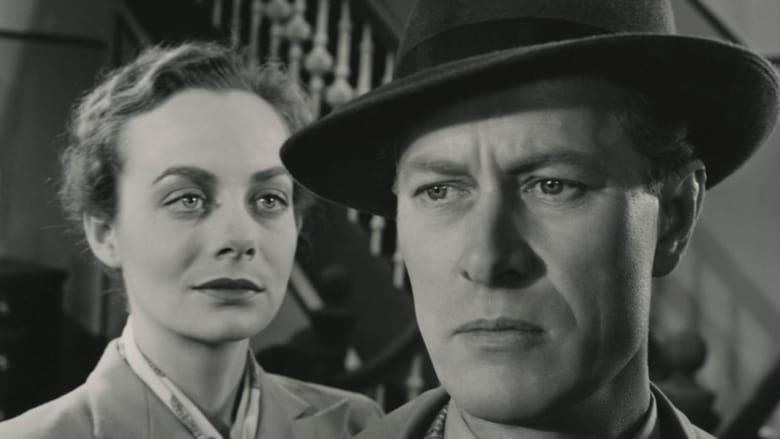
Familien Schmidt
The bank is located in the square of a small, idyllic market town, and its manager, Anders B. Schmidt, is seriously ill in the town hospital. At the beginning of the story, he is quietly passing away. In the wealthy neighborhood of the market town, we find the bank manager's villa, which has been his pride and joy for many years. He leaves behind a deeply grieving widow and four adult children. It soon emerges that the respected citizen had a love affair before he got married, and this causes outrage.
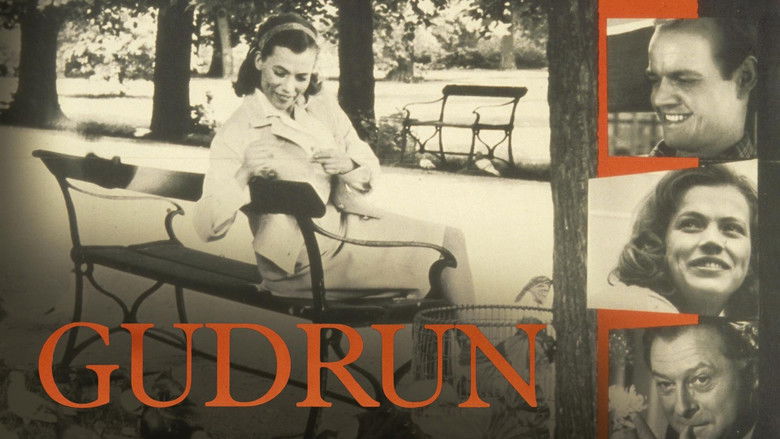
Gudrun
Danish drama about a young woman's rites of passage in finding romance.
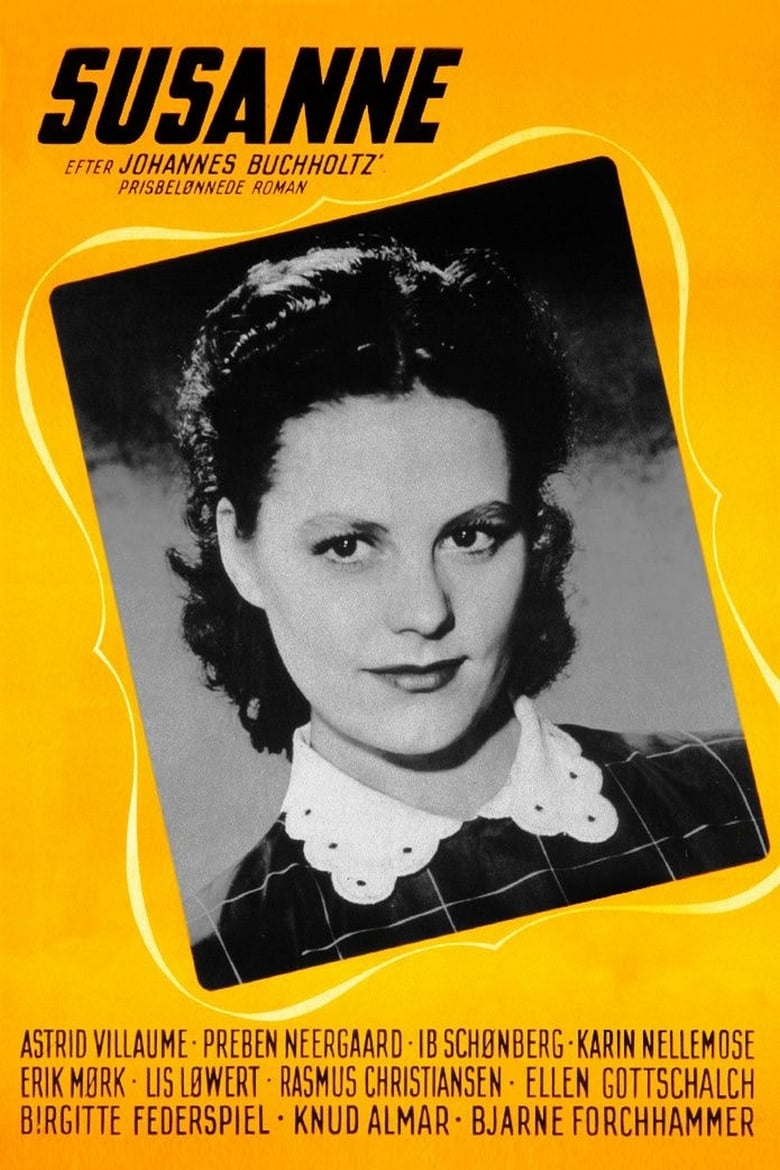
Susanne
Summer in the small market town of Stenvig equals life and good earnings for the city's shoppers. Love flourishes side by side with the urge to act, and especially the baker's daughter Susanne makes the young men's hearts beat fast. But when the infatuated Otto gets a little too close, it has major consequences for Susanne.
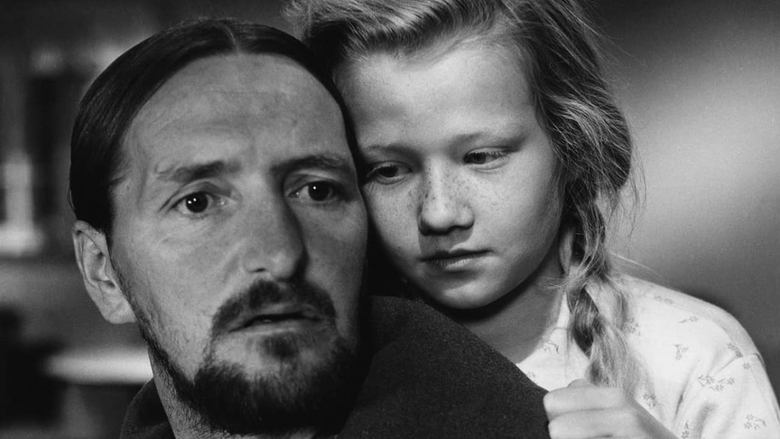
Ordet
The three sons of devout Danish farmer Morten have widely disparate religious beliefs. Youngest son Anders shares his father's religion, but eldest son Mikkel has lost his faith, while middle child Johannes has become delusional and proclaims that he is Jesus Christ himself. When Mikkel's wife, Inger goes into a difficult childbirth, everyone's beliefs are put to the test.
Tine
Danish melodrama about a housemaid struggling to find normalcy and love in the midst of war.
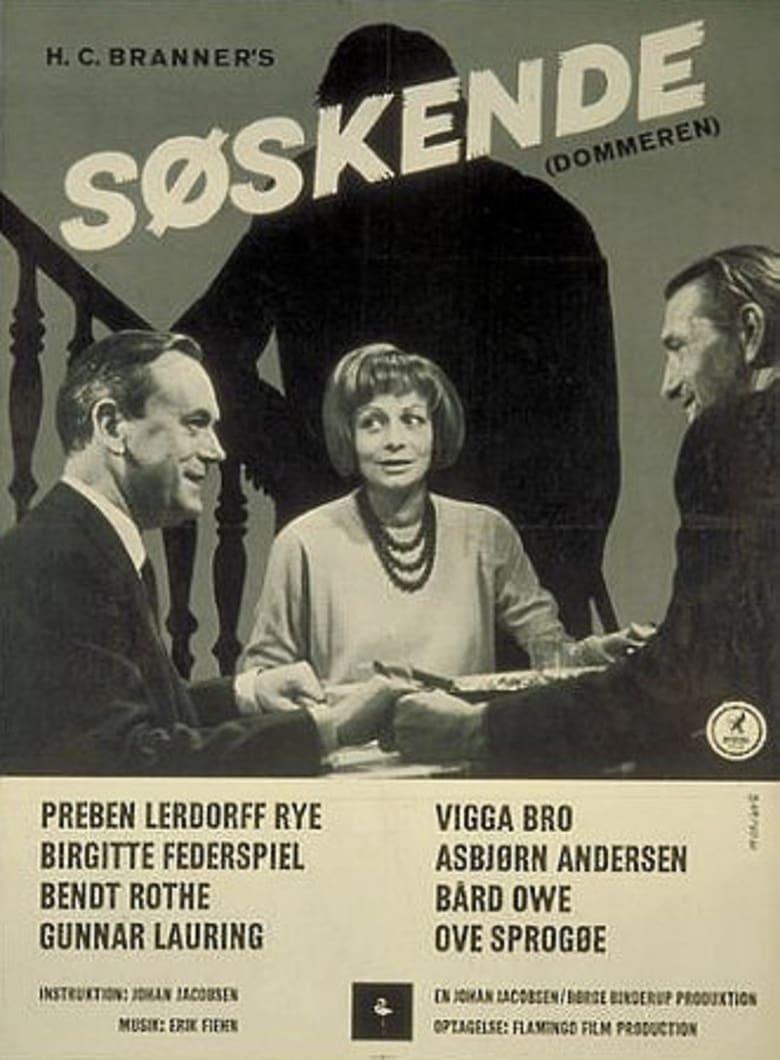
Søskende
Three siblings see each other again after many years at their father's deathbed. The eldest, Arthur, a lawyer, has everything under control – or so it seems, as the middle child, Irene, is struggling with her abusive husband, while little brother Michael is the outsider, living a sleepless life of booze and prostitutes. When their father is close to death, the three are called together, and a major family drama unfolds in their father's living room. Gradually, they agree that they should stand together instead of arguing about old affairs. But when their sick father suddenly falls down the stairs, it is as if all good intentions fall to the floor again.
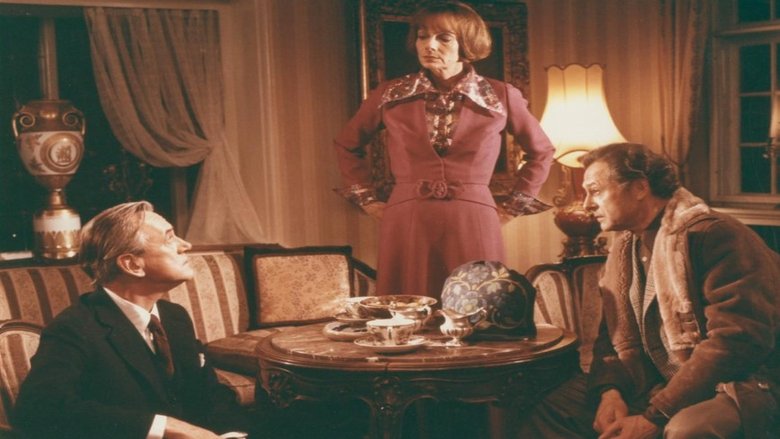
Nineteen Red Roses
After his girlfriend is killed in an automobile accident, a man decides the best revenge on those responsible is to murder their loved ones.
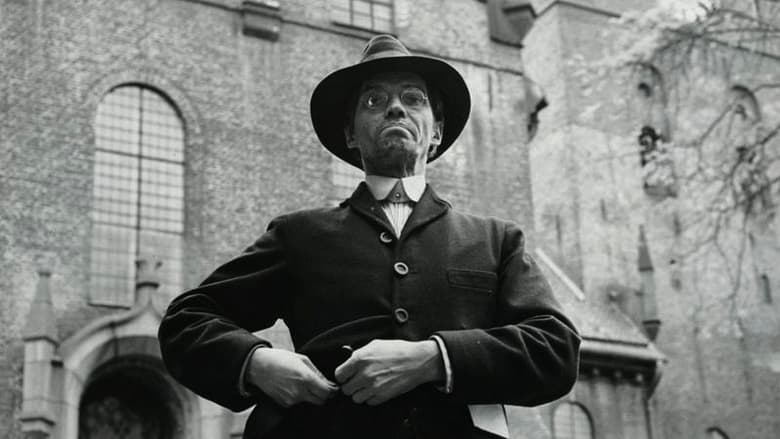
Hunger
In 1890, Pontus, the starving writer, wanders the streets of Christiania, in search of love and a chance to get his work published. All he meets is defeat and suffering while his sense of reality is withering. One moment he is delighted and the next he curses everybody. All the time he manages to maintain human dignity and pride.
Filmography
as Elna Bering
as Gundine
as Grandmother
as Ellen Katrine
as Fru Magnusson
as Mormor
as Mormor
as Nielsens søster
as Mormor
as Interview Subject
as Viola
as Martine
as Dronning Caroline Amalie
as Lotta Henderson
as Tante Laura
as Baronesse Arense von Rytger
as Cornelia Møller
as Ægtepar i kunstforretning / kone
as Fru. Blicher
as Louise Bech
as Ragna Quist
as Psychiatrist
as Astrid
as King Hamund's Widow
as Irene
as Her sister
as Ina, Edwards hustru
as Fru Berg
as Merete Lindberg
as The landlady
as Fru Jansen
as Boel "Kulsoen"
as Fru Strand
as Kulsoen
as Sonia Hardenborg
as Anne Sørensen
as Donna Lucia d` Alvadorez
as Vibeke
as Misse, Liebergs kone
as Ester, enkefru Tangs datter
as Nanna, skuespiller
as Dora
as Inger Borgen (uncredited)
as Tove, antikvarboghandlerens kone
as Arkæologi-Magisteren Bente Berg
as Doris Rudholt
as Birgit Ernst