
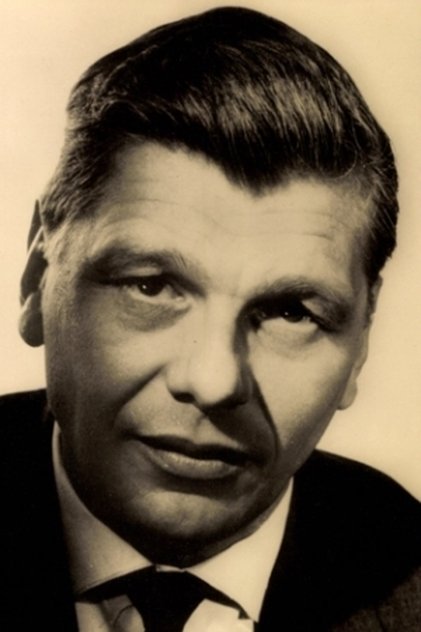
Bruno Carstens
Acting
Biography
No biography available for Bruno Carstens.
Born: October 26, 1918
Place of Birth: Wilhelmshaven, Germany
Known For
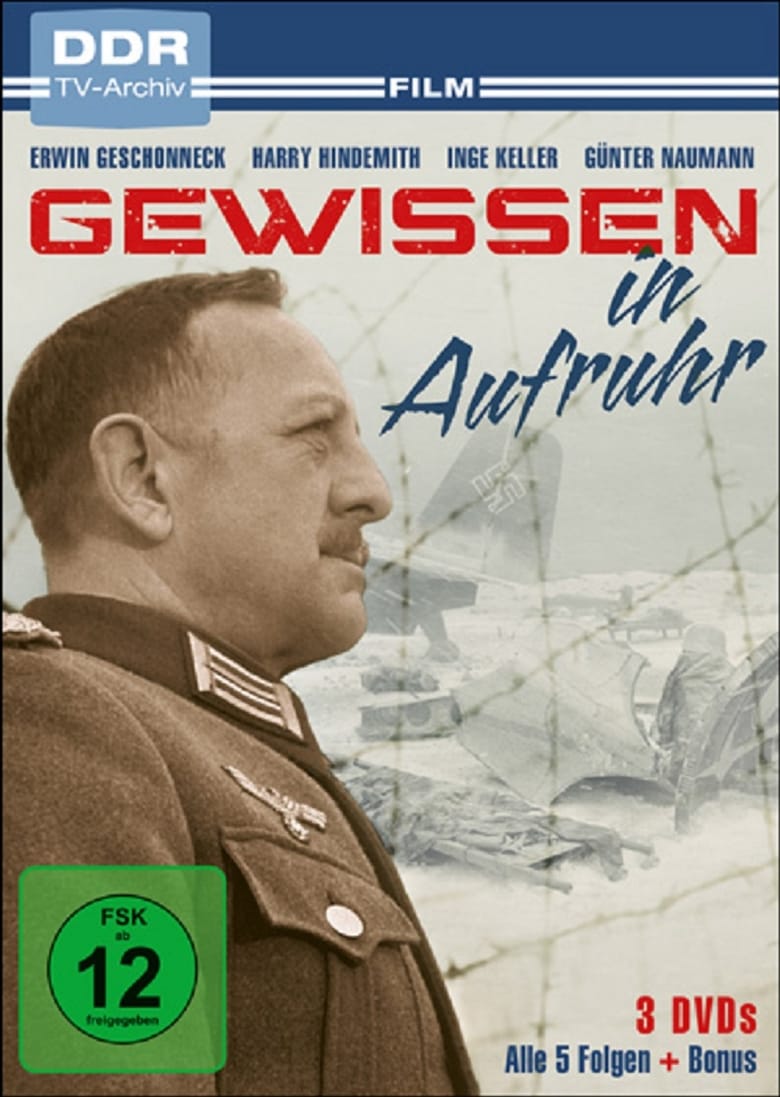
Gewissen in Aufruhr
As a German soldier in the 6th Army, Colonel Joachim Ebershagen is trapped in the Stalingrad cauldron. His experiences cause him to begin to doubt the meaning of the war. He is flown out as a wounded soldier on one of the last planes. Back home, he becomes commander of Greifswald. Towards the end of the war, he surrendered the city to the Soviet army without a fight on April 30, 1945. The death sentence pronounced by a court martial is not carried out.
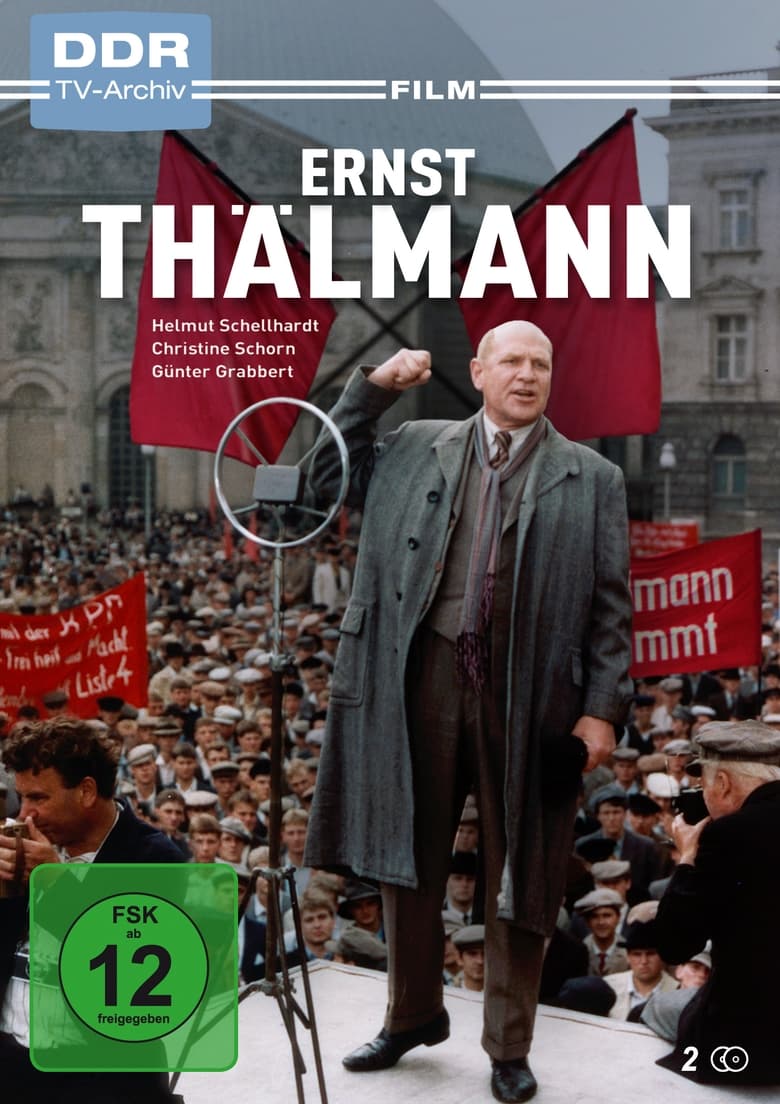
Ernst Thälmann
This elaborate two-part television film features a section from the life of communist worker leader Ernst Thälmann. It begins with the bloody riots on May 1, 1929 in Berlin, in which police officers shot at demonstrating workers, and ends with February 7, 1933, when Thälmann appeared as a speaker at the illegal meeting of the Central Committee of the Communist Party of Germany in goat neck. This period was marked by the struggle of the Communists against the ever stronger National Socialists and the rise of Adolf Hitler.
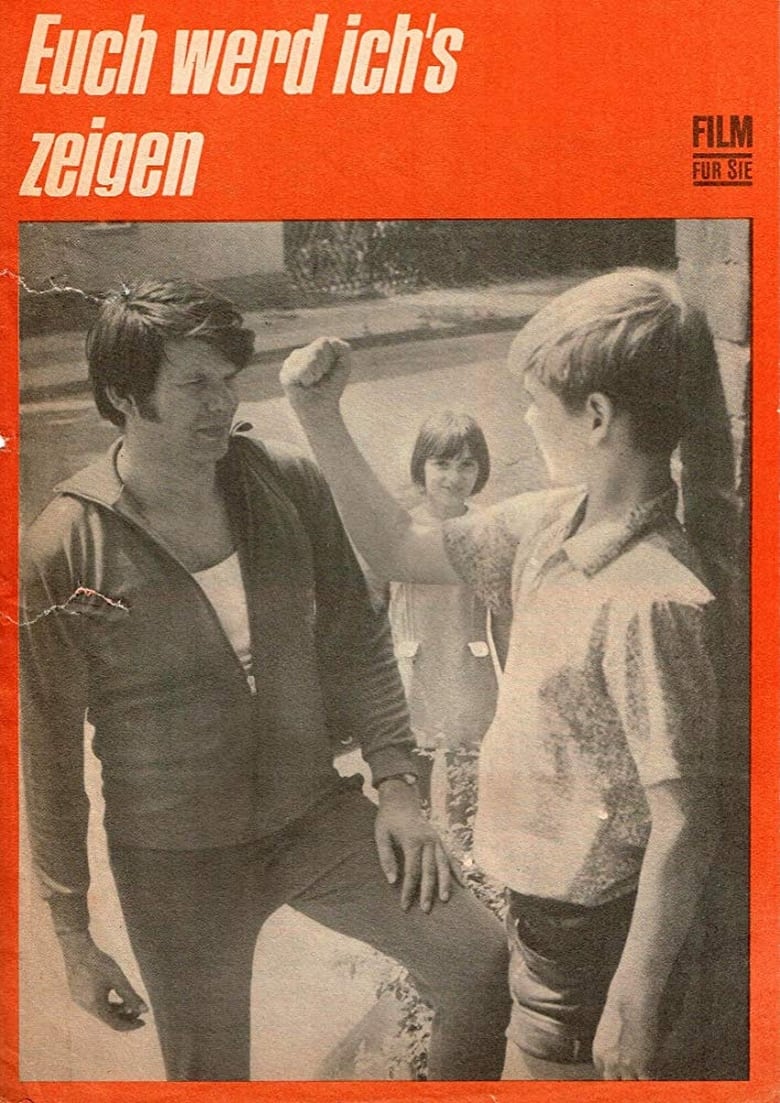
I Will Show You
A family comedy about thirteen years old Bernd and the problems he faces after his family moving to Rostock.

Ein Schneemann für Afrika
The little African girl Asina is eagerly waiting for her new friend Karli. Karli is a young sailor from Rostock who has promised her a gift on his next arrival in Coccatuttibana. Karli keeps his promise and smuggles a stowaway onboard the “MS Wismar”. Kasimir, a snowman, finds shelter in a cooling chamber. Although the journey turns out to be turbulent, Karli and Kasimir manage to arrive in Africa in good health.
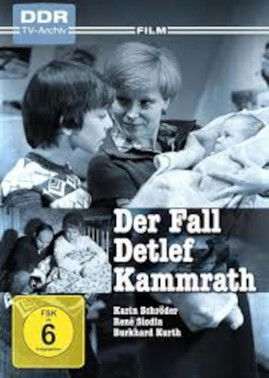
The Case of Detlef Kammrath
Until he was 11, Detlef Kammrath (René Siodla) had a carefree childhood. But now his parents have decided to go their separate ways and divorce - a catastrophe for the boy. The court awards custody to his mother (Karin Schröder), but Detlef harshly rejects his mother's new partner (Gerd Grasse). He sees him as the person responsible for his unhappiness. Hoping to improve the family atmosphere, his mother forbids the boy from meeting his biological father; this leads to Detlef's absolute despair, and he becomes a "case" for child welfare services.
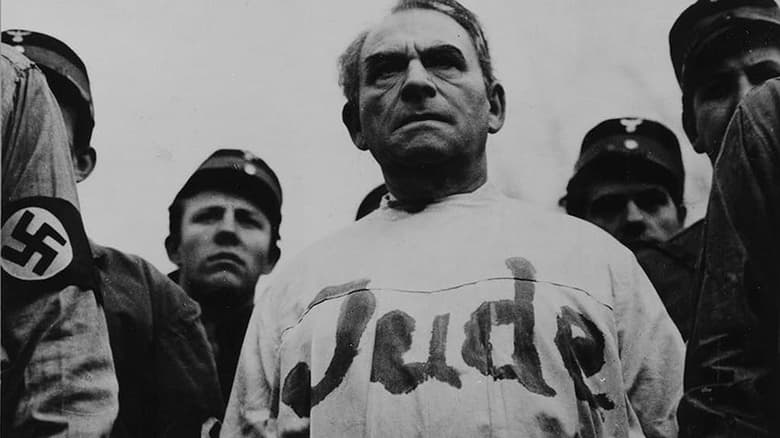
Professor Mamlock
A Jewish chief of surgery in 1933 Germany remains blind to the rising Nazi threat, dismissing political dissent from his son and a patient, until his family faces increasing anti-Semitic persecution.
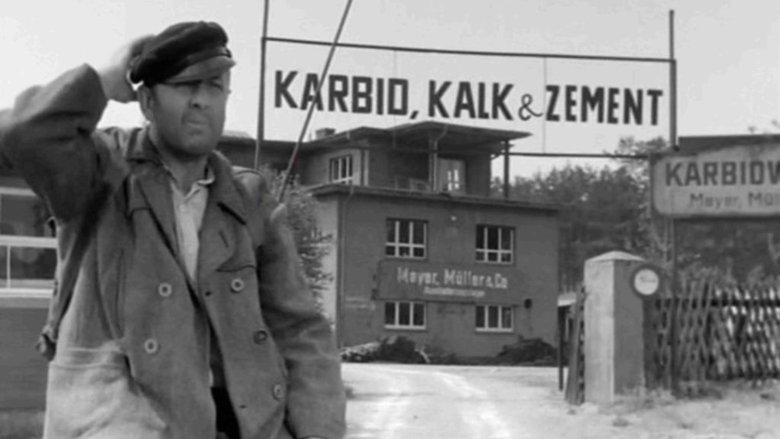
Carbide and Sorrel
After the second World War, Dresden has a lot of reconstructing to do. To get the cigarette factory he once worked for running again, Kalle has to travel to Wittenberg - the only place where carbide can be found. Once there, Kalle find himself in the unfortunate situation of having to hitchhike his way back to Dresden, transporting seven heavy barrels of carbide. However, his inventiveness and optimistic attitude help transform the grueling task into an adventurous, entertaining, and funny journey.

Hände hoch oder ich schieße
Small town policeman Holms suffers from a rather unusual problem: Because of the low crime rate, there is simply not enough to do for him. Deadly bored, he sinks into the depths of depression and requests the help of a psychiatrist. But his imagination is far more effective: In his dreams, he chases gangsters in London. Finally, some small-time crooks find a way to help "their" policeman out of his emotional misery: They steal a memorial from the market square and thus help Holms to a spectacular case.
Polizeiruf 110
Polizeiruf 110 is a long-running German language detective television series. The first episode was broadcast 27 June 1971 in the German Democratic Republic, and after the dissolution of Fernsehen der DDR the series was picked up by ARD. It was originally created as a counterpart to the West German series Tatort, and quickly became a public favorite.
Polizeiruf 110
Polizeiruf 110 is a long-running German language detective television series. The first episode was broadcast 27 June 1971 in the German Democratic Republic, and after the dissolution of Fernsehen der DDR the series was picked up by ARD. It was originally created as a counterpart to the West German series Tatort, and quickly became a public favorite.
Filmography
as Waldemar
as Otto Schmitt
as Vater Sieger
as Der Macker
as Heinz Winkler
as Grenadier
as Heinz
as Vollmer
as Reeder Dohms
as Bakalla
as Oberküchenmeister
as Captain of the Wismar
as Bruno
as Ratsvorsitzender
as Juan Menuda
as Käpt’n Fries
as Herr Meisel
as Pförtner
as Friedrich Gau
as Steger
as Max Haase
as Kruschke
as Küster Schubert
as Wernicke
as Oberst Wernicke
as Opa Budack
as Wilhelm Maler
as Clinch
as Anführer der Anarchisten
as 1. Edelmann
as McLaurin
as Roy
as Meister Klaus
as Fürst Zacharias
as Herr Peters
as Otto Schaube
as Gustav Merseburg
as Zuckerwattemann
as Polizeikommissar
as Kommissar Hendrik
as Lehrer
as Lehrer Guthmann
as Pit Nordfors
as Major Schönemann
as Parteisekretär
as Leutnant Schattenfroh
as Hauptmann Wernicke