
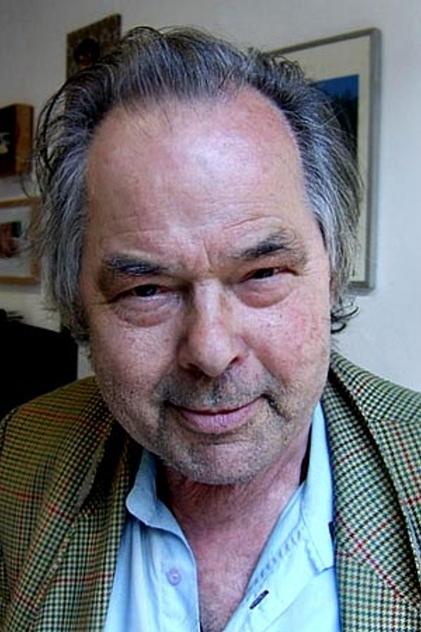
Bruno S.
Acting
Biography
Bruno Schleinstein (2 June 1932 – 11 August 2010), often credited as Bruno S., was a German film actor, artist, and musician. He is known internationally for his roles in two films directed by Werner Herzog, The Enigma of Kaspar Hauser (1974) and Stroszek (1976).
Born: June 2, 1932
Place of Birth: Berlin, Germany
Known For
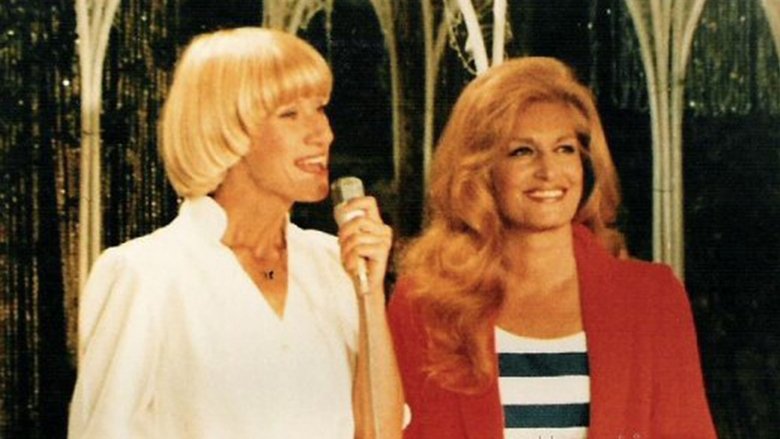
Midi Première
Midi Première is a French variety show presented by Danièle Gilbert, directed by Jacques Pierre and broadcast from January 6, 1975 until January 1, 1982 on TF1. The program was generally broadcast between 12:15 p.m. and 12:55 p.m., then giving way to the 1:00 p.m. TV news. However, the broadcast schedule could change, depending on the guests, and the setting where the recording of the program was shot. Certain performances by artists who have become cult like the one where Ringo jostles with a demonstrator in interpretation (1977), that of Dalida with the title There is always a song with the soundtrack that does not start, twice, at the right speed (1978), Claude François and his Clodettes, who, in the provinces, are unable to join "the set" in order to interpret his song, the latter being taken by the crowd of delirious fans (summer 1977) . The group Supertramp performed there with the title "Dreamer" on March 8, 1975.
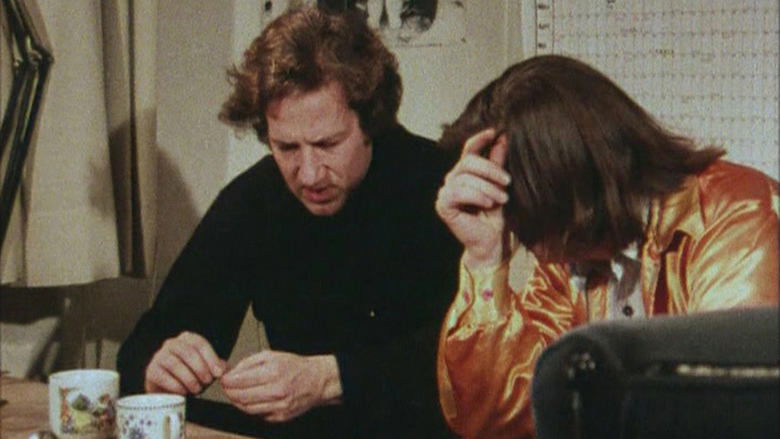
I Am My Films: A Portrait of Werner Herzog
Interview film with German director Werner Herzog revisiting the films he made up to ca. 1977.
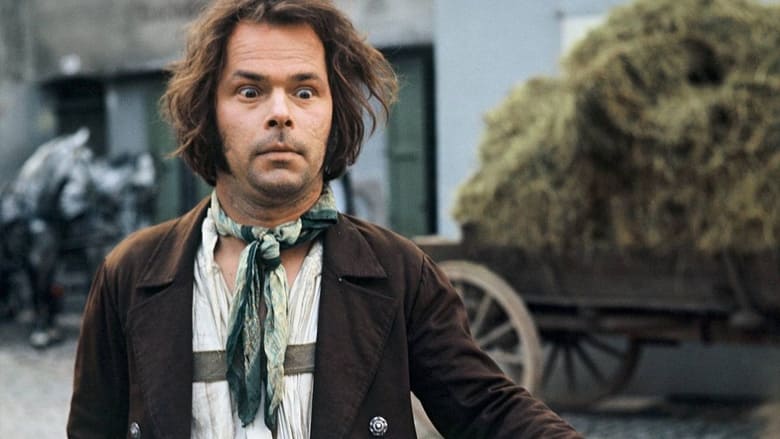
The Enigma of Kaspar Hauser
The film follows Kaspar Hauser, who lived the first seventeen years of his life chained in a tiny cellar with only a toy horse to occupy his time, devoid of all human contact except for a man who wears a black overcoat and top hat who feeds him.
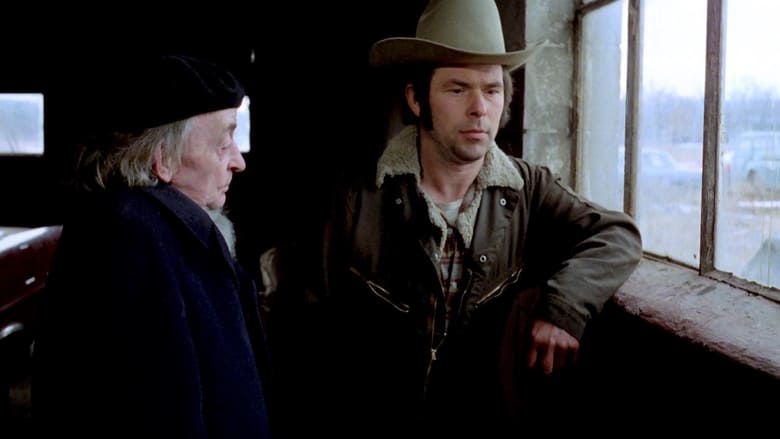
Stroszek
Bruno Stroszek is released from prison and warned to stop drinking. He has few skills and fewer expectations: with a glockenspiel and an accordion, he ekes out a living as a street musician. He befriends Eva, a prostitute down on her luck and they join his neighbor, Scheitz, an elderly eccentric, when he leaves Germany to live in Wisconsin.

Avé
While hitchhiking from Sofia to Ruse, Kamen meets Avé, a 17-year-old runaway girl. With each ride they hitch, Avé invents new identities for them, and her compulsive lies get Kamen deeper and deeper into trouble. Reluctantly drawn into this adventure, Kamen begins to fall in love with the fleeting Avé.

Phantomanie
Larry is a misfit stranded in Berlin, the pilgrim capital of the lost and haunted. Whatever he does goes wrong. Yet he still can't help acting like a smartass in order to make him feel self-important about his desolate life. But Larry's life is on downward spiral… Pressurised by his girlfriend Lilly, who drives him crazy with her obsession about having a baby, threatened by Kokser, a man to whom he owns money, and trying to dodge an ominous preacher called Klaus, who takes the words of Bible as literal truth, Larry seeks help from Bruno, a homeless drifter, crossing the border between dreams and reality...
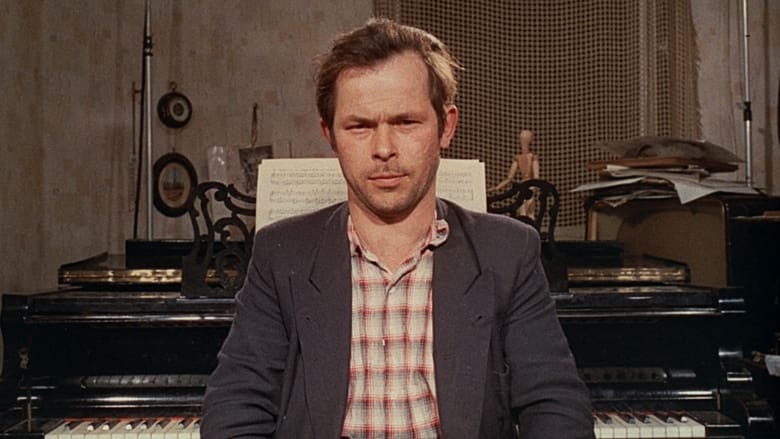
Bruno the Black - One Day a Hunter Blew His Horn
Lutz Eisholz’s first feature film was produced at West Berlin’s German Film and TV Academy. In an experimental documentary he portrays the working class outcast Bruno S., who prowls the city as a street musician, performing his own songs. The film unfolds Bruno’s story: abandoned by his mother as a child, he was maltreated in correctional institutions in Nazi Germany. On release after WWII he found work but started performing at the same time as a self-taught musician and poet. Although incapable of “normal” human bonding, he was still able to rejoice in life. When Werner Herzog saw this film he recognized Bruno’s potential and hired him to play starring roles in The Enigma of Kaspar Hauser (1974) and Stroszek (1977).

Bruno S. - Die Fremde ist der Tod
A portrait of Bruno S., who became famous as an actor in Werner Herzog's films The Enigma of Kaspar Hauser and Stroszek and was forgotten all too quickly.
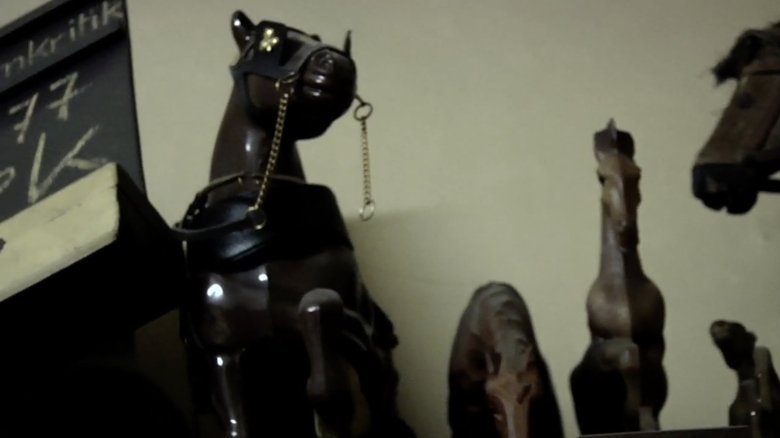
Bruno S. With Devotion
In his cramped living quarters, Bruno S. unearths his trusty accordion and glockenspiel, singing ballads of little horses and wingless angels.
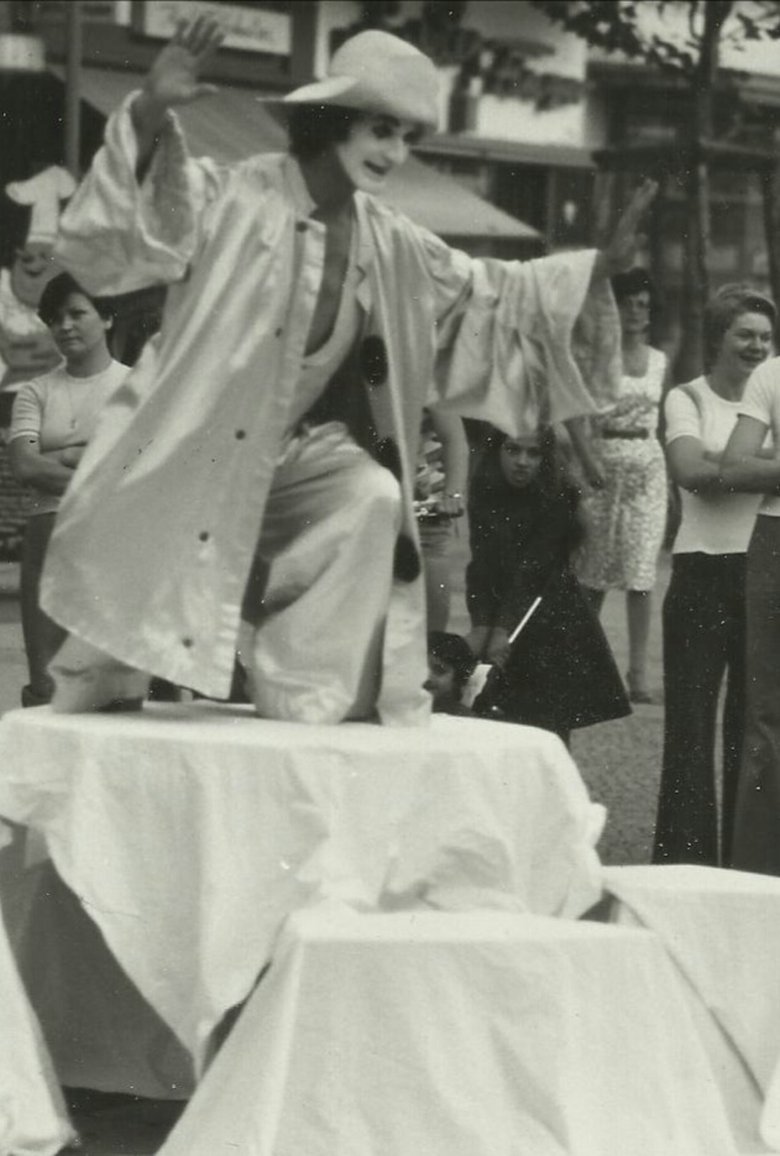
Love Living, Live Loving
The gentle inhabitants of a quaint Berlin apartment house, damaged by the Second World War but possessing an elegance of its own, love the place where they live, with its motto Liebe das Leben-Lebe das Lieben (Love Living, Live Loving) emblazoned above the door. Their love for it only increases when they learn that it is threatened by a bank redevelopment project. Among the apartment-dwellers are an elderly couple (Brigitte Mira and Erhardt Dhein) who have toured the world together.
Filmography
as Self
as Viktor's Grandfather
as Bruno S.
as Stroszek
as Bruno Stroszek
as Self
as Kaspar Hauser