
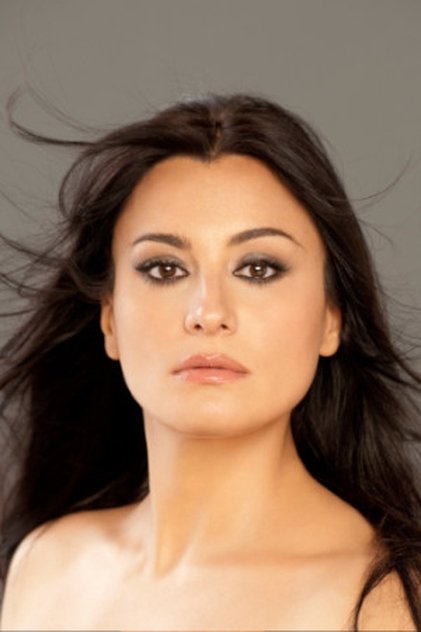
Carmela Remigio
Acting
Biography
No biography available for Carmela Remigio.
Known For
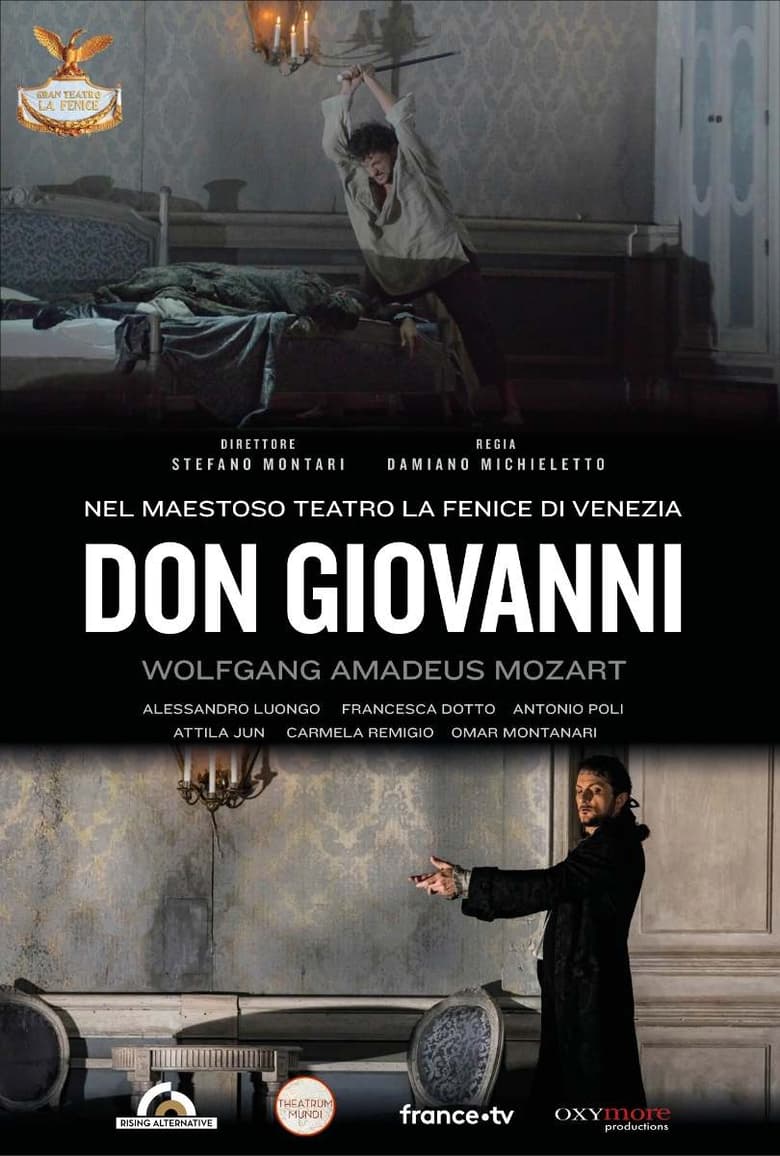
Don Giovanni
Live performance at Teatro La Fenice in 2017.
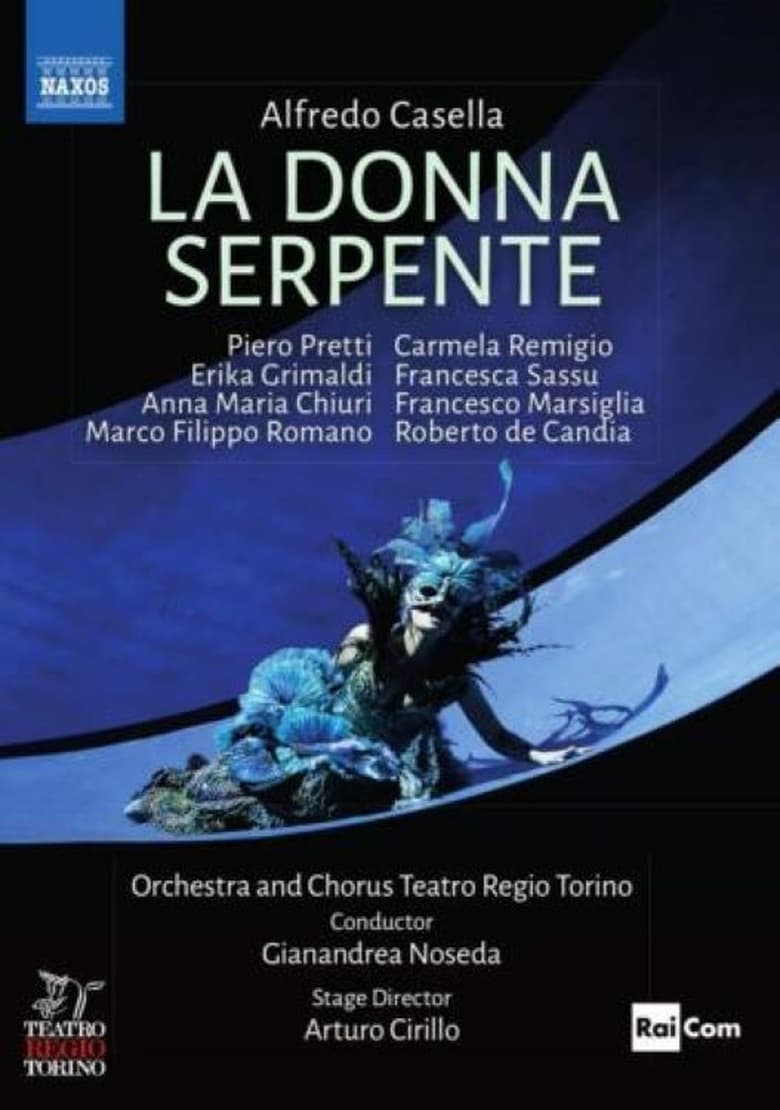
La Donna Serpente
Performance of Alfredo Casella's opera The Snake Woman by Orchestra and Chorus Teatro Regio Torino, conducted by Gianandrea Noseda

Norma - Teatro La Fenice
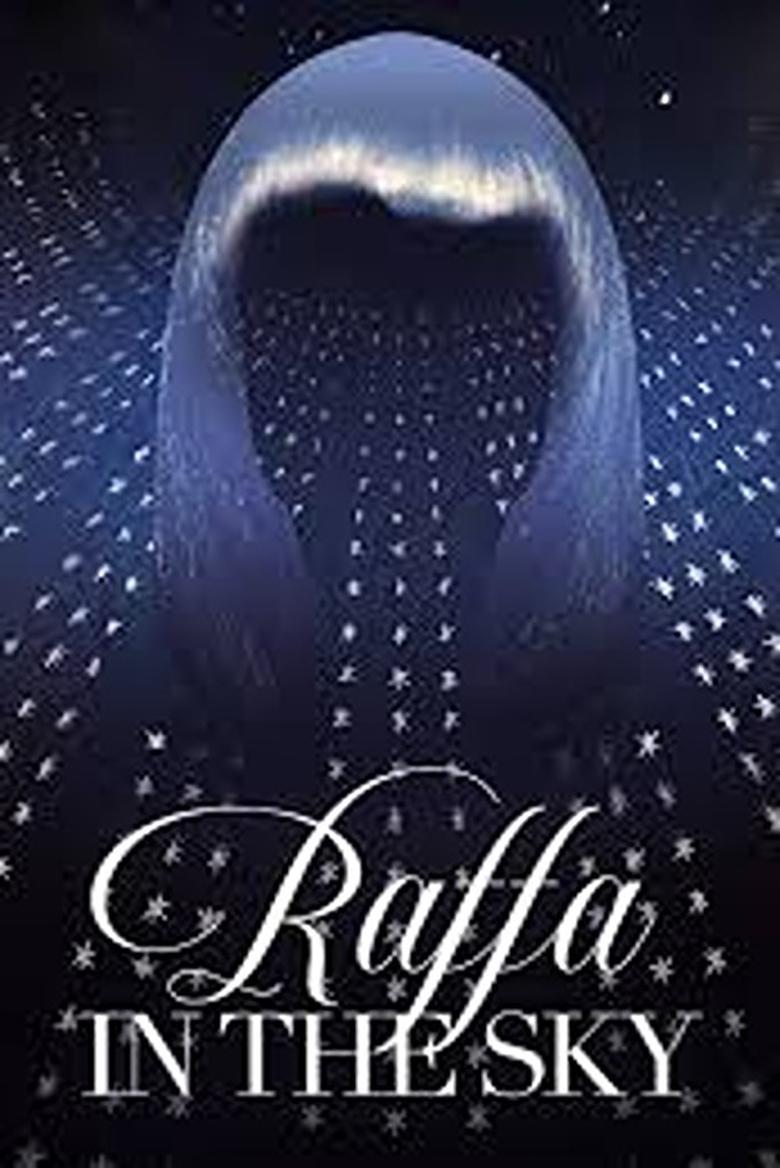
Raffa in the Sky
From the Donizetti Theater, an opera inspired by Raffaella Carrà. Music by Lamberto Curtoni, libretto by Renata Ciaravino and Alberto Mattioli, based on an idea by Francesco Micheli, director. Conductor Carlo Boccadoro.

Don Giovanni (Sferisterio Opera Festival)
The first of the triumvirate of Mozart’s last three superlative operas – Cosi fan Tutte (1790) and Die Zauberflöte (1791) being the others – Don Giovanni (1787) tells the tale of this legendary womanizer, already a cautionary tale of considerable merit, with the added power and weight of a brilliant musical setting by one of mankind’s greatest musical geniuses and a stunningly effective libretto by Lorenzo da Ponte. This tragicomedy of the highest order cries out for the finest musical forces, voices and staging to be truly overwhelming and meaningful. The cast for this production includes Ildebrando D´Arcangelo and Carmela Remigio. With direction from Riccardo Frizza and one of Italy’s finest stage and set designers on hand in veteran Pier Luigi Pizzi, the course is set for a staggering night at the opera.
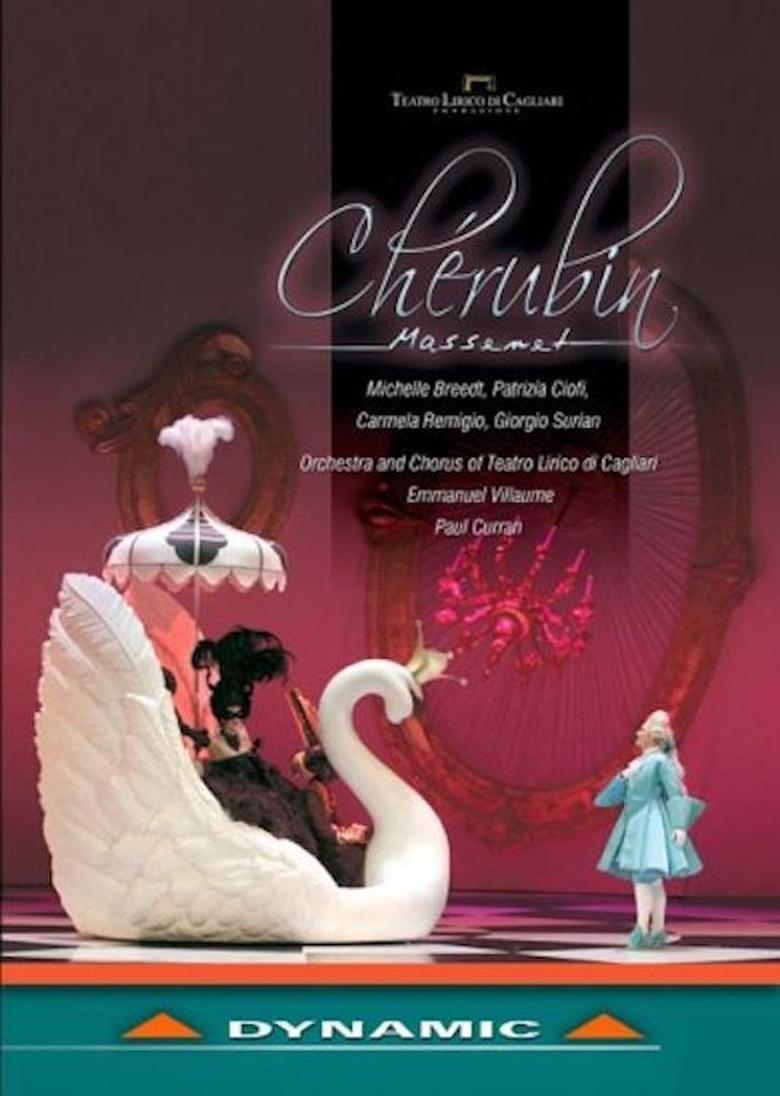
Cherubin
This is one of the most enjoyable opera produced. The playful production by Paul Curran (Teatro Lirico di Cagliari [Sardinia]) has a wealth of clever touches, and the sets and costumes are lovely, whimsical, imaginative, and wonderfully captured. T The libretto for "Cherubin" (1905), an homage to Beaumarchais and da Ponte, takes up the story of the character Cherubino from Mozart's "Le nozze di Figaro" and shows him suffering his first great disappointment in love, his rejection by the courtesan/dancer Ensoleillad. All ends happily, however, as Cherubin finds his real destiny in Nina, a girl his own age. The story is tightly constructed, the text full of wit and humor in lighter moments and rapturous poetry in the love scenes, and the DVD's subtitles are expertly handled.
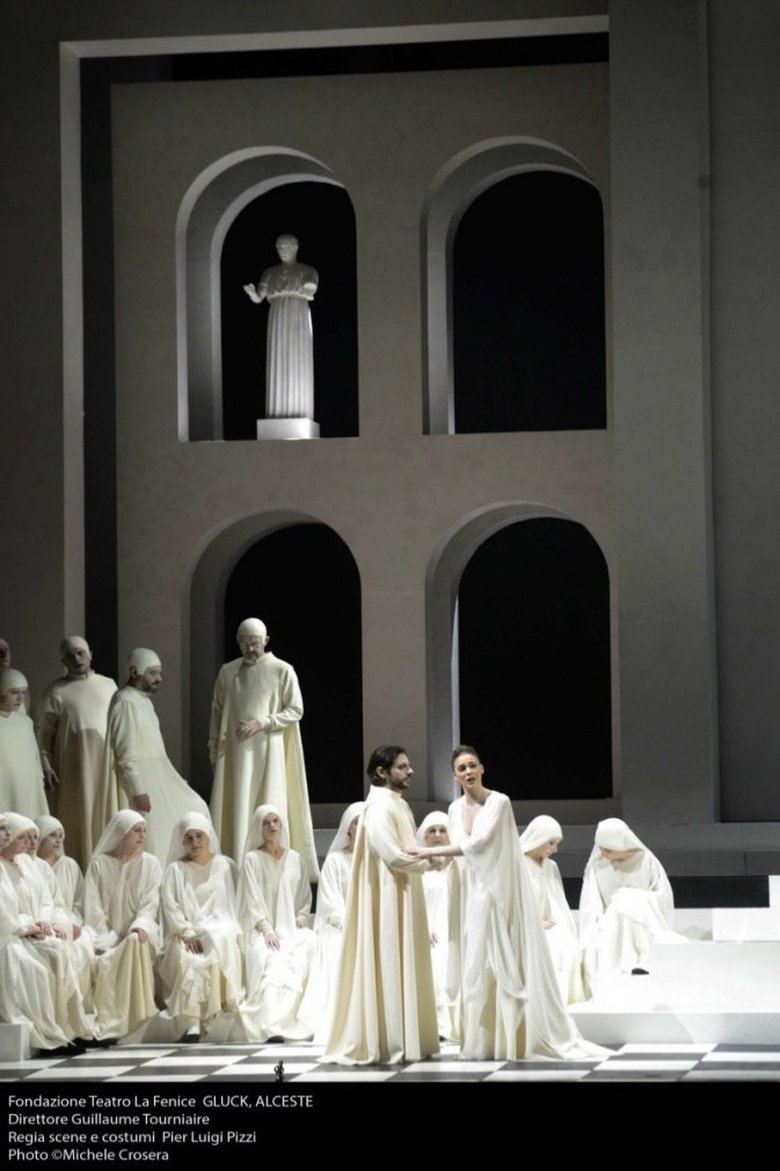
Alceste
Under the baton of the excellent conductor Guillaume Tourniaire, Gluck’s most original tragedy comes to Venice’s most celebrated theater in a production by Pier Luigi Pizzi. After successive triumphs in the Viennese scene of the 1760s, over the course of the 1770s Gluck met with a new series of successes in France. Aiming to establish himself in the French musical scene as a genius of musical storytelling, he took the challenge head on, appropriating selected Lullian librettos from the previous century to his own dramatic ends. He did just this with Alceste, one of Quinault’s most acclaimed texts, setting it to his own music. This production of the tragic three-act opera stars Marlin Miller (Admeto) and Carmela Remigio (Alceste) in the roles of the self-sacrificing royal couple.
Norma
Mariella Devia, one of the greatest bel canto singers of 20th century, chooses Venice’s La Fenice as the stage for her last Norma.
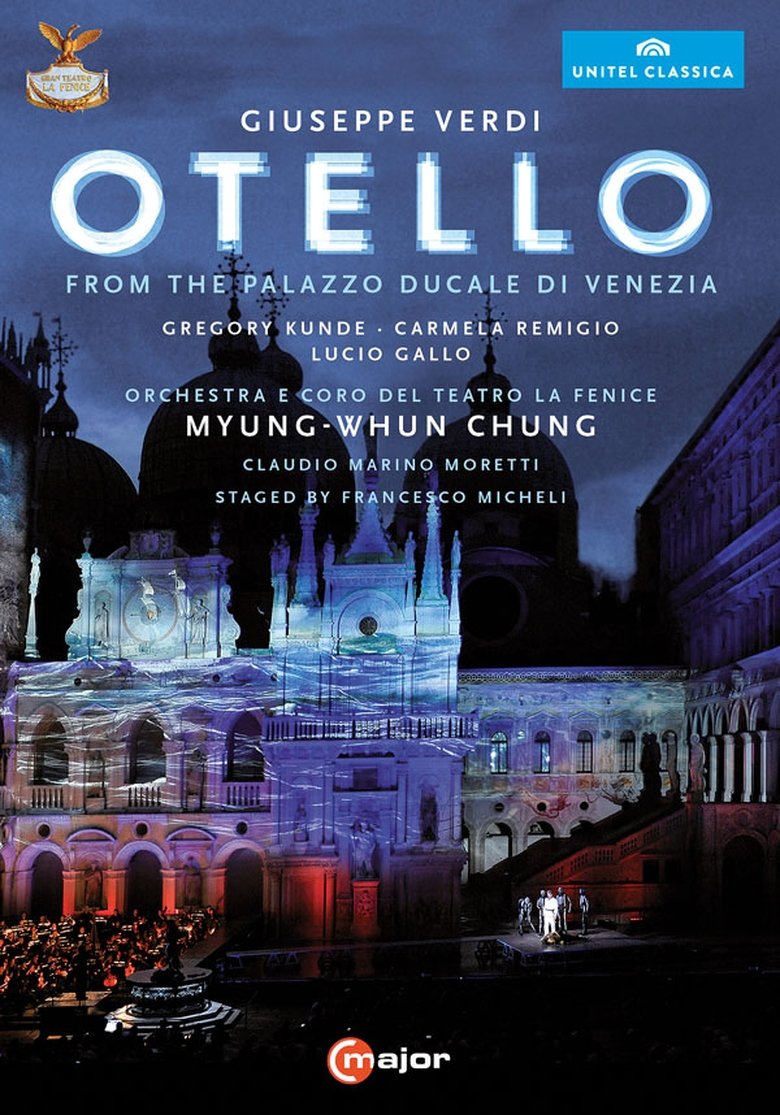
Verdi: Otello
Rarely has a production of Verdi’s Otello been staged in such a prestigious location: the courtyard of the Palazzo Ducale in Venice! This special outdoor “event production” of the Teatro La Fenice takes place amidst genuine late-Gothic and Renaissance architecture highlighted by spectacular projections: “A set of singular fascination” (Il Corriere Musicale). Critics were full of praise for the musical performance, designating conductor Myung-Whun Chung as the “absolutely dominating force” of the performance (GB Opera). The lead role is sung by Gregory Kunde, who successfully interpreted both Verdi’s and Rossini’s Otello in one year, perhaps the first tenor ever to do so. He “reproduces every accent, every colour demanded by Verdi with sensibility and intelligence” (OperaClick).
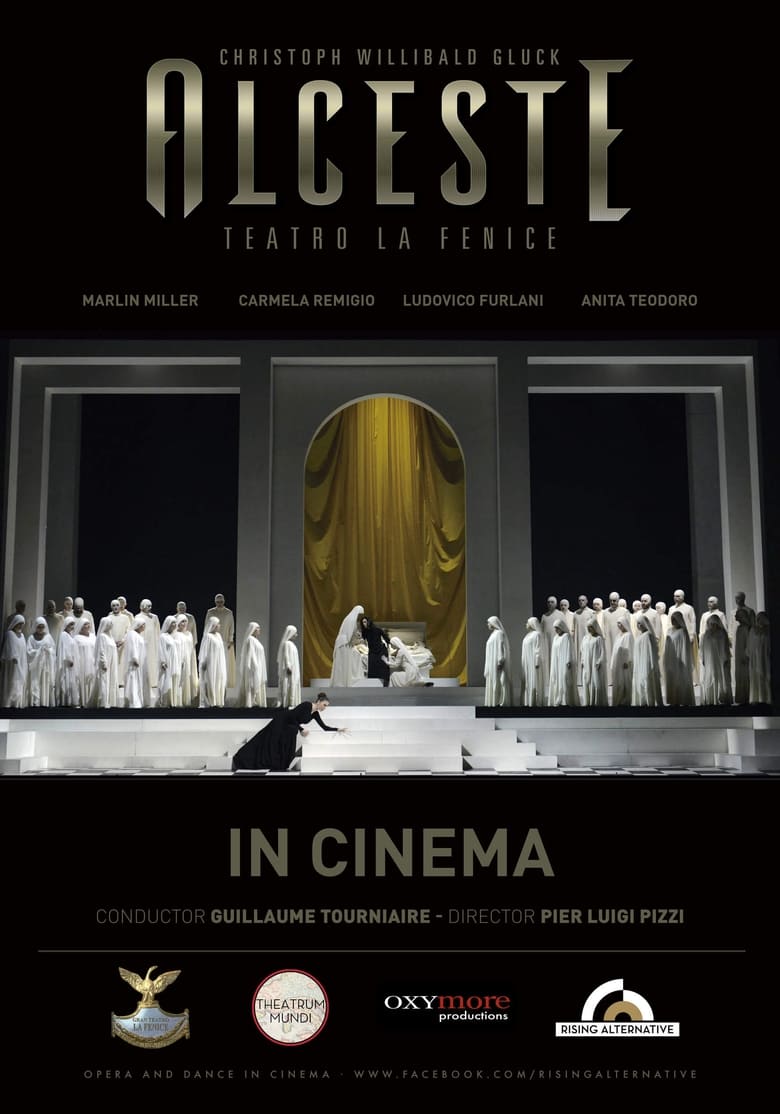
Alceste - Teatro La Fenice
At death’s door, a beloved king is doomed unless someone takes his place. So then his wife resolves to sacrifice herself to save him. Christoph Willibald Gluck composed his reform opera Alceste not once, but twice. In La Fenice’s production of the lesser-known original Italian version, director Pier Luigi Pizzi strips the action down to the bare emotional drama of Alceste’s sacrifice.
Filmography
as Armida
as Amelia
as Adalgisa
as Donna Elvira
as Desdemona
as Donna Elvira
as Miranda