
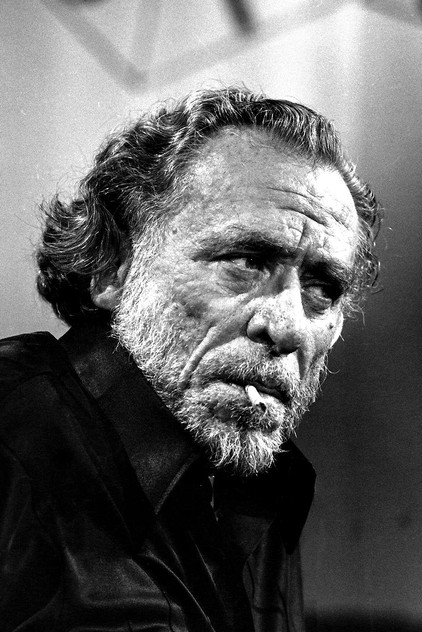
Charles Bukowski
Writing
Biography
Henry Charles Bukowski was a German-American poet, novelist, and short-story writer. His writing was influenced by the social, cultural, and economic ambiance of his home city of Los Angeles.
Born: August 16, 1920
Place of Birth: Andernach, Germany
Known For

Daedalus
"Fly too high and you will burn, go too low and you won't breathe." A 7 day vlog during the summer of 2023, a story of dreamers and drowners.
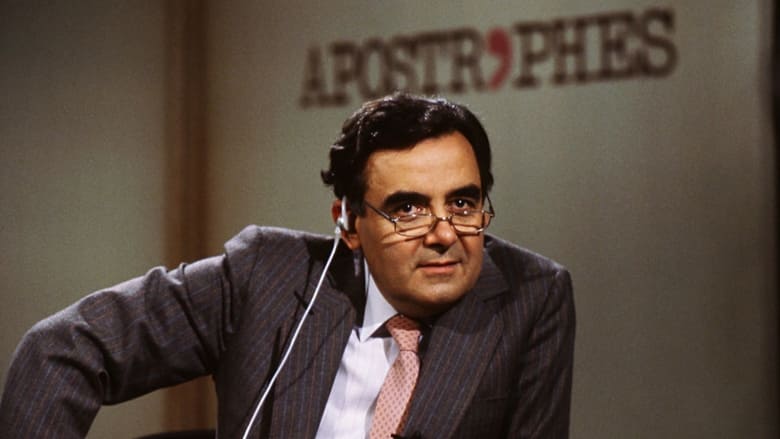
Apostrophes
Apostrophes was a live, weekly, literary, prime-time, talk show on French television created and hosted by Bernard Pivot. It ran for fifteen years (724 episodes) from January 10, 1975, to June 22, 1990, and was one of the most watched shows on French television (around 6 million regular viewers). It was broadcast on Friday nights on the channel France 2 (which was called "Antenne 2" from 1975 to 1992). The hourlong show was devoted to books, authors and literature. The format varied between one-on-one interviews with a single author and open discussions between four or five authors.
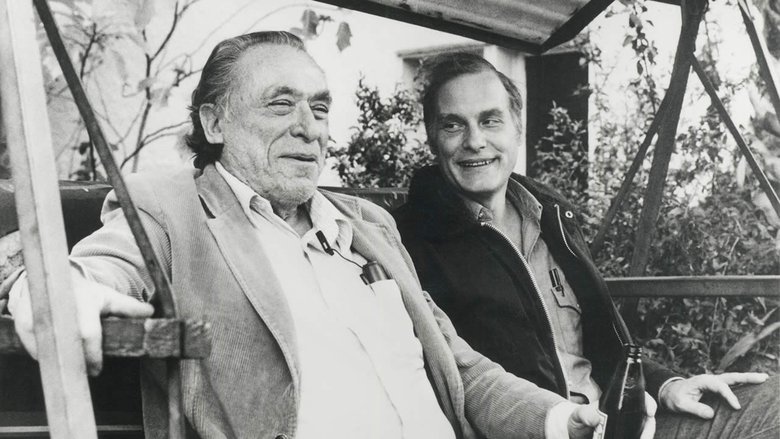
The Charles Bukowski Tapes
The Charles Bukowski Tapes are an altogether more than four hours long collection of 52 short-interviews with the American cult author Charles Bukowski, sorted by topic and each between one and ten minutes long. Director Barbet Schroeder (Barfly) interviews Bukowski about such themes as alcohol, violence, and women, and Bukowski answers willingly, losing himself in sometimes minute-long monologues. Amongst other things, Bukowski leads the small camera team through his parents’ house and his former neighbourhood, but the largest part of the interviews takes place in Bukowski’s flat or backyard. The documentary includes a scene in which Bukowski reacts violently toward his wife Linda Lee.
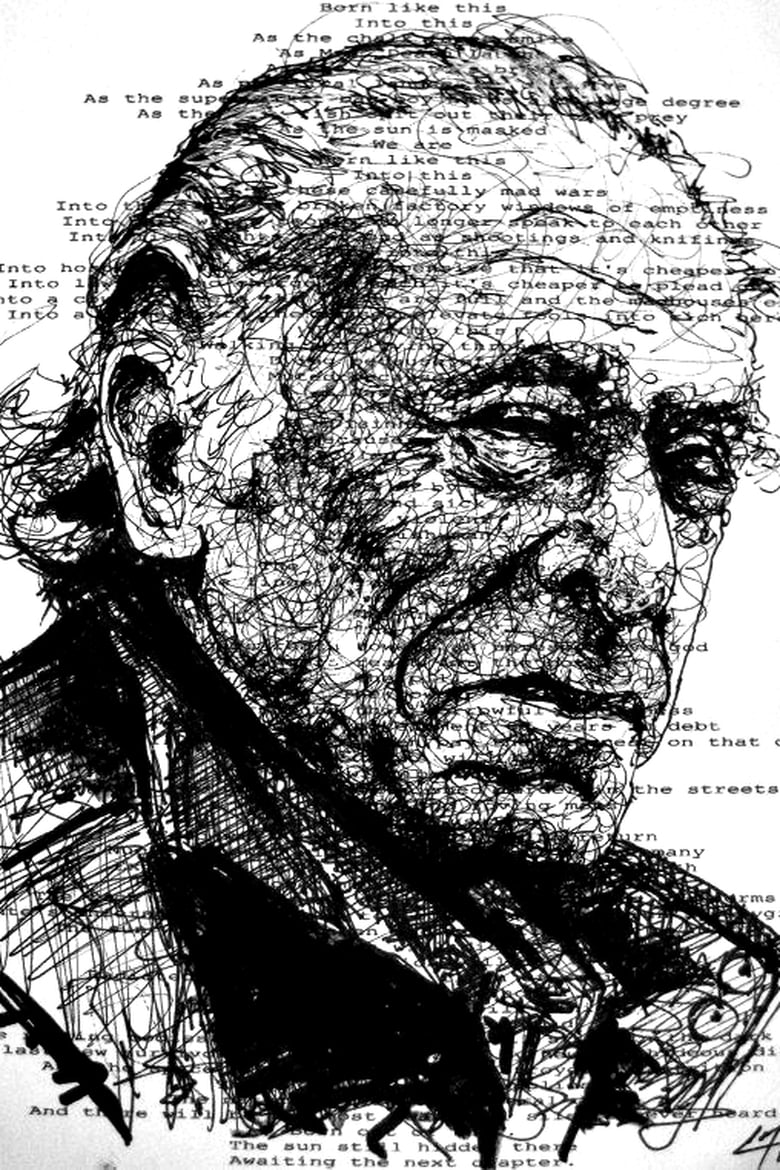
Bukowski
Charles Bukowski is filmed going to a poetry reading in San Francisco.
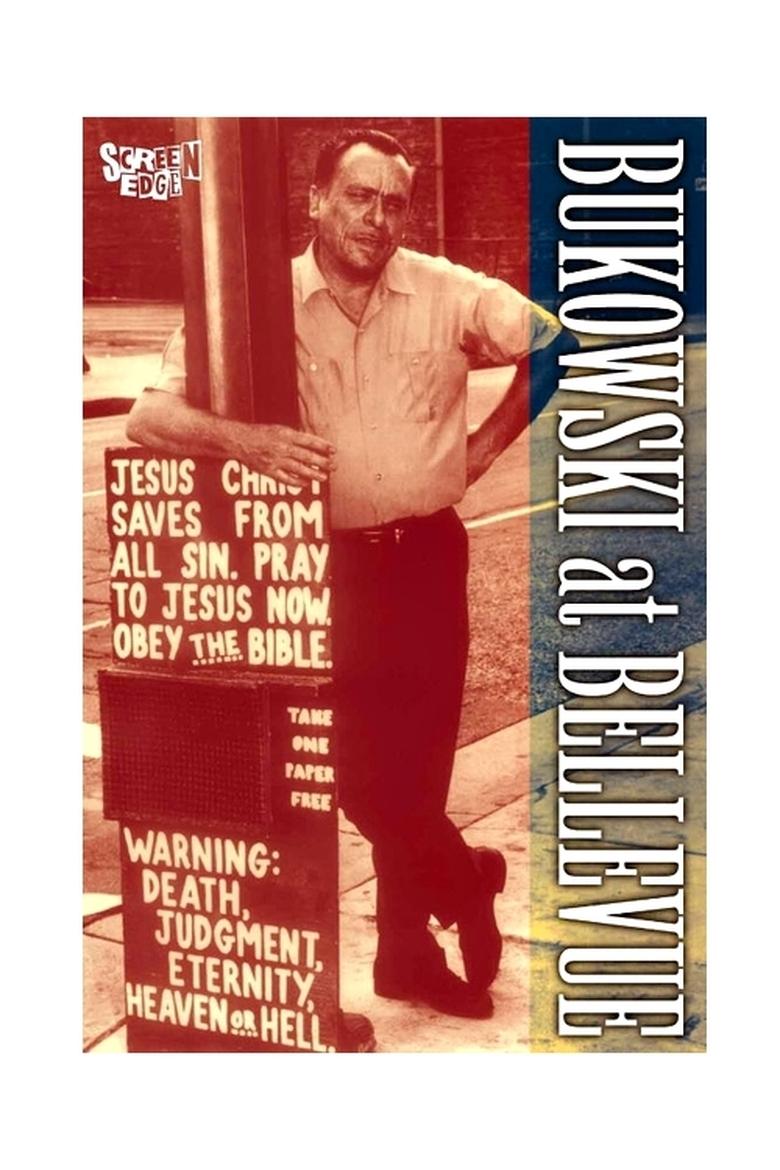
Bukowski at Bellevue
In the spring of 1970 Charles Bukowski took his first plane trip for a poetry reading at Bellevue Community College in Washington state. That he was videotaped by two students apparently was later forgotten, but the tapes were recently rediscovered and have been released by Black Sparrow press. "Bukowski at Bellevue" gives us a fascinating glimpse of the man before he had to be concerned with how celebrity and financial security were affecting him. (It is said that this was only his fourth public reading.) This is Bukowski, then about 50, taken straight. No games, no irony, no self-consciousness--just an ordinary-looking guy, maybe hung over, sitting before a small group of students reading his work with gusto, humor and sensitivity. A man who clearly had lived the marginal life he wrote about with passion and at times a lyrical, even mystical beauty.

You Never Had It: An Evening With Bukowski
A long night spent drinking, smoking, and talking about sex, literature, childhood and humanity with irreverent writer poet Charles Bukowski in his California home in 1981. A story of video tapes lost, then found, and brought back to life.
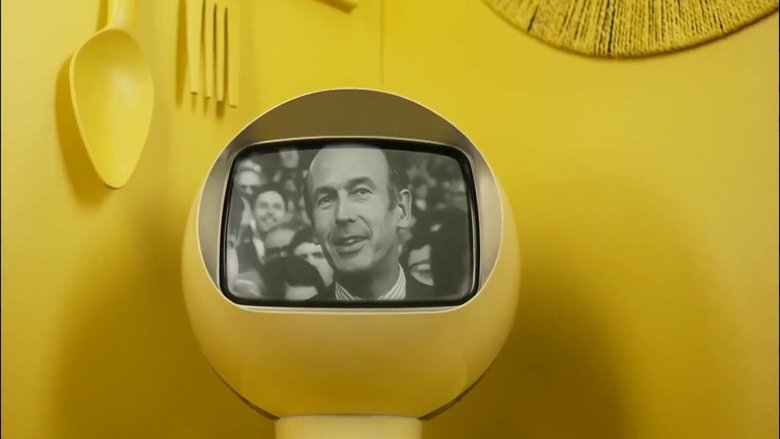
La TV des 70's : Quand Giscard était président
In May 1974, Valéry Giscard d'Estaing became President of the Republic and wanted to bring about a new era of modernity. One of his first decisions was to break up the ORTF with the creation of three new television channels: TF1, Antenne 2 and FR3. Three new public channels but autonomous and competing. It is a race for the audience which is engaged then, and from now on the channels will make the war! This competition will give birth to a real golden age for television programs, with variety shows in the forefront. The stars of the song are going to invade the living rooms of the French for their biggest pleasure. This unedited documentary tells the story of the metamorphosis of this television of the early 1970s, between freedom of tone, scandals, political intrigues and programs that have become mythical.

Poetry in Motion
More than 20 contemporary North American poets recite, sing, and perform their work. Early in the film, Charles Bukowski talks about the energy of poets and of a poem. These poets are the children of Walt Whitman and of Charles Olson, incantatory and oratorical, radical, sometimes incorporating contemporary political imagery. Black Mountain poets, the Beats, minimalists like John Cage, the wordless Four Horsemen, Tom Waits, and others capture aspects of poets as troubadours.
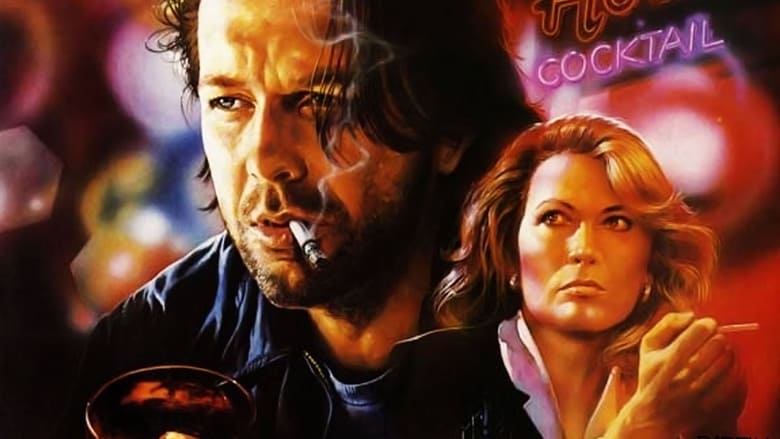
Barfly
Downtrodden writer Henry and distressed goddess Wanda aren't exactly husband and wife: they're wedded to their bar stools. But, they like each other's company—and Barfly captures their giddy, gin-soaked attempts to make a go of life on the skids.
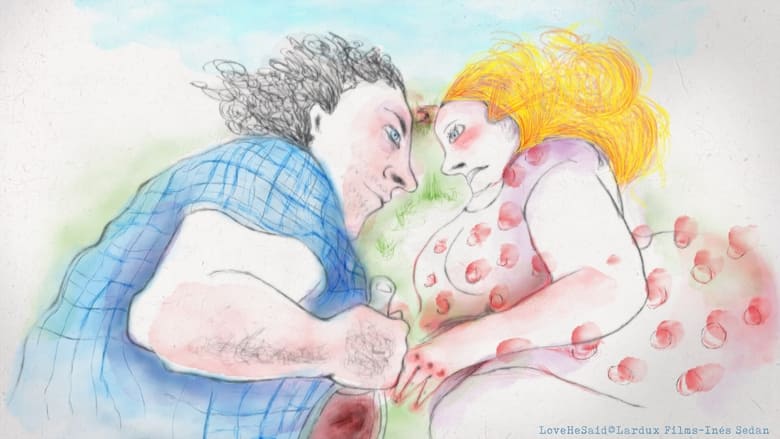
Love, He Said
1973, San Francisco. Charles Bukowski, underground poet and punk ahead of his time, reads his poem Love to a wild audience who've come to see the pulp writer's provocative performance. But that day, instead of a punk they find a broken man hungry for love.
Filmography
as Sampled Interview (voice) (uncredited)
as Self (archive footage)
as Himself ( voice )
as himself ( voice )
as Himself
as Self (archive footage)
as Self
as Narrator
as Bar Patron (uncredited)
as Himself
as Self
as Cameo
as Self
as Charles Bukowski