
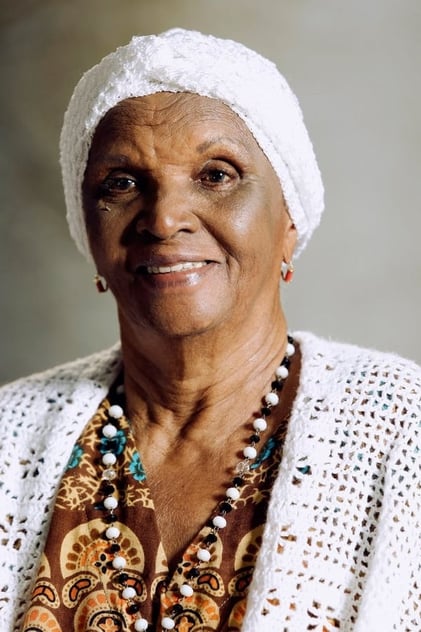
Chica Xavier
Acting
Biography
No biography available for Chica Xavier.
Born: January 21, 1932
Place of Birth: Salvador, Bahia, Brazil
Known For
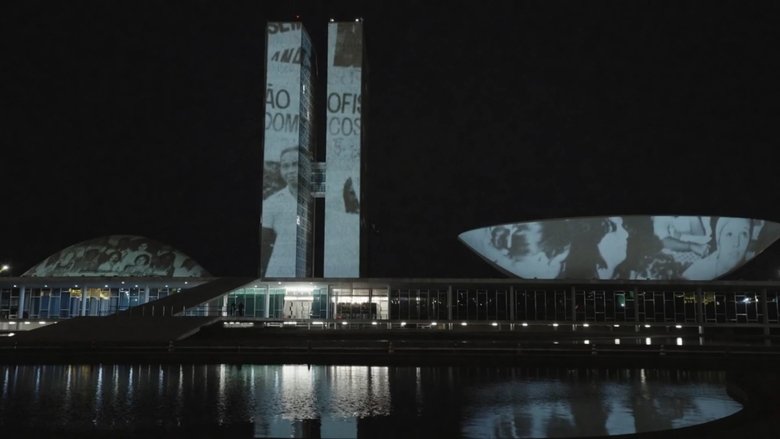
Quando Elas Se Movimentam
Inspired by the phrase of the American activist Angela Davis – “When the black woman moves, the whole structure of society moves with her” -, the documentary tells the story of three black women whose personal trajectories are intertwined with laws that transformed their lives and those of countless Brazilian citizens.

Carandiru: The Series

Saramandaia
Saramandaia is a Brazilian telenovela originally written by Dias Gomes in 1976. It's considered remarkable because of the Magic Realism (used by the author to subtly criticize the Military Regime of the time) and had 160 chapters. The story centers on the name change that the city undergoes, promoted by the younger citizens and reviled by the older ones. It also focuses on the lives of the city's quirky residents.

Cara & Coroa

Calango Lengo: Morte e Vida sem Ver Água
Calango Lengo, from the northeast, has to fulfill his destiny, without having anything to put on his plate. In drought there is no other luck: to live fleeing death, as the mouse flees from the cat.

Dancin' Days
A down-on-her-luck former inmate tries to reconnect with her daughter--to the objections of her sister who raised the girl, meets a millionaire, and transforms into a strong woman, returning to society at Dancin' Days nightclub's opening.
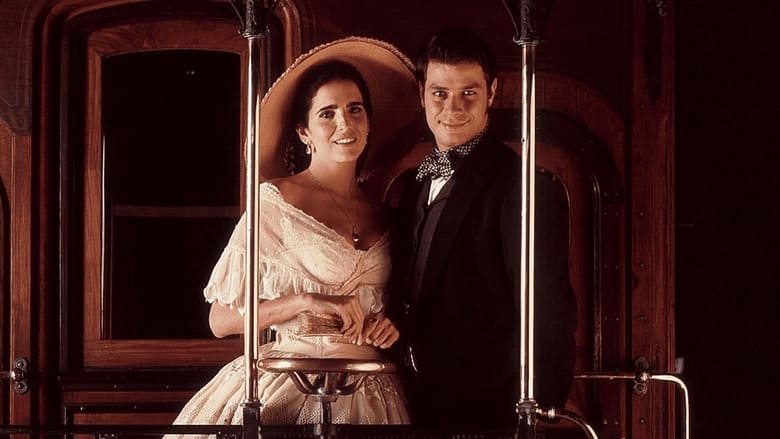
The Power of Desire
Força de um Desejo is a Brazilian telenovela produced by Globo TV and was shown in the schedule of 18 hours between May 10, 1999 and January 29, 2000, in 226 chapters. It was written by Gilberto Braga and as collaborators with Alcides Nogueira Marques, Lilian Garcia, Eliane Garcia, Philip Miguez and Mark Silver and directed by Mauro Mendonça Filho, Carlos Araújo, Fabricio Mamberti and João Camargo, with production of the core Marcos Paulo. Featured Malu Mader, Fábio Assunção, Cláudia Abreu, Marcelo Serrado, Selton Mello, Nathália Timberg, Lavínia Vlasak, Isabel Fillardis and Denise Del Vecchio in leading roles.
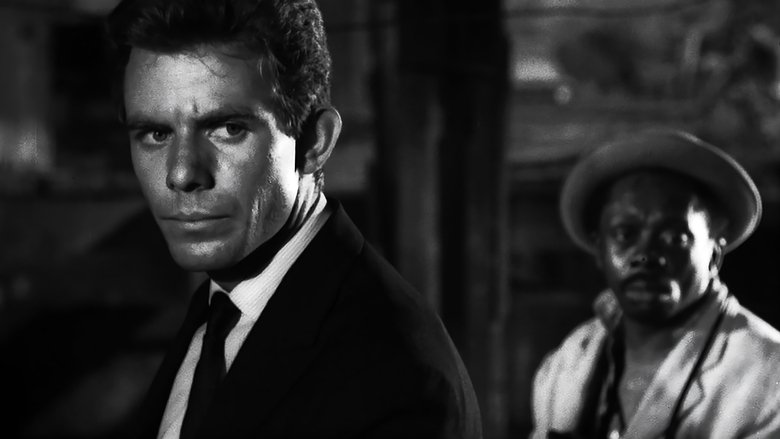
Assault on the Pay Train
Based on true events in Rio de Janeiro, in 1960, when a gang having the infamous outlaw Tião Medonho as a leader performed a sensational railroad hold-up on a train carrying a small fortune.

Sinhá Moça
Monarchists and Republicans confront themselves in Araruna, a small town in the interior of São Paulo, in 1886, two years before the promulgation of the Golden Law. Sinhá Moça's love story, daughter of Colonel Ferreira, Baron de Araruna, and a slave-boy, with the young Dr. Rodolfo, an active Republican abolitionist, faced with the difficulties of the campaign for the abolition of slaves. The two meet on the train, when Sinhá Moça, after completing her studies in the provincial capital, returns to Araruna. Like Rodolfo, she has abolitionist ideas and criticizes her father's attitudes, fighting for the defense of blacks. Sinhá Moça, together with Rodolfo and other abolitionists, invade the slave quarters at night and liberate the blacks, giving them to the abolitionist associations, which guide them towards freedom.

Jogo da Vida
Filmography
as Herself (archive footage)
as Senadora
as Ismália
as Ave Maria (voice)
as Setembrina Caó dos Santos (Mãe Bina)
as Mãe de Santo
as Dionísia da Mata
as Bá Toinha
as Celeste
as Rosália
as Inácia
as Madre Gema
as Dinda
as Zilá de Paiva Rangel
as Libânia
as Inácia de Jesus Galvão
as Rosa
as Hermée
as Júlia
as mãe-de-santo
as Virgínia, a Bá
as Magé Bassã
as Laurinda
as Judite
as Maria Conga
as Denise
as mãe de Das Dores
as Joana
as Biá
as Carmem
as Filomena (Filó)
as Marlene
as Escolástica
as Das Dores
as Lázara
as Rosa
as Raquel
as Senhorinha
as Lino's wife