
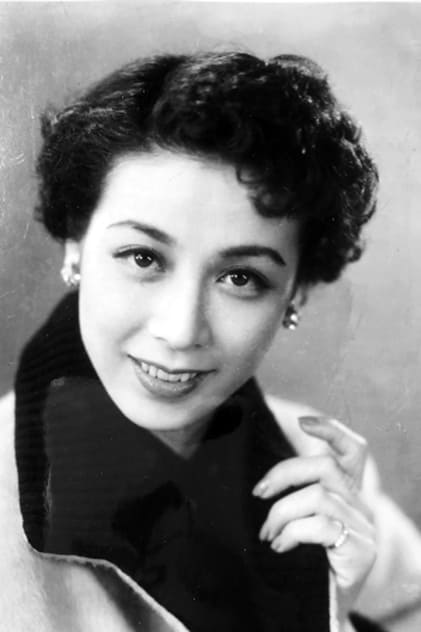
Chikage Awashima
Acting
Biography
Chikage Awashima (淡島 千景, Awashima Chikage, born Keiko Nakagawa, 24 February 1924 – 16 February 2012) was a Japanese film and stage actress. Her stage name drew inspiration from Japanese poetry, and her legacy continues to resonate within the world of entertainment. A graduate from Takarazuka Music and Dance School and member of the Takarazuka Revue, Chikage Awashima entered the Shochiku film studios and made her film debut in 1950. She appeared in films of numerous prominent directors like Yasujirō Ozu, Mikio Naruse, Keisuke Kinoshita, Tadashi Imai and Heinosuke Gosho. She received the Blue Ribbon Award twice and the Mainichi Film Award twice for her performances. Awashima retired from stage in 2009. She died on 16 February 2012, aged 87, from cancer.
Born: February 24, 1924
Place of Birth: Tokyo, Japan
Known For

Imo Tako Nankin
The series takes place in 1962 Osaka. Hanaoka Machiko, 37, is single and works at a hardware store in Osaka City while doing literary work. One day, she falls ill due to overwork and falls in love with Tokunaga Kenjiro, the doctor who examines her. Kenjiro and Machiko marry. But Kenjiro, who lost his first wife to illness, lives not just with his five children, but his brother, sister, and parents. In a comical and heart-warming way, the drama depicts Machiko's struggle with the new family while pursuing her career as a novelist.
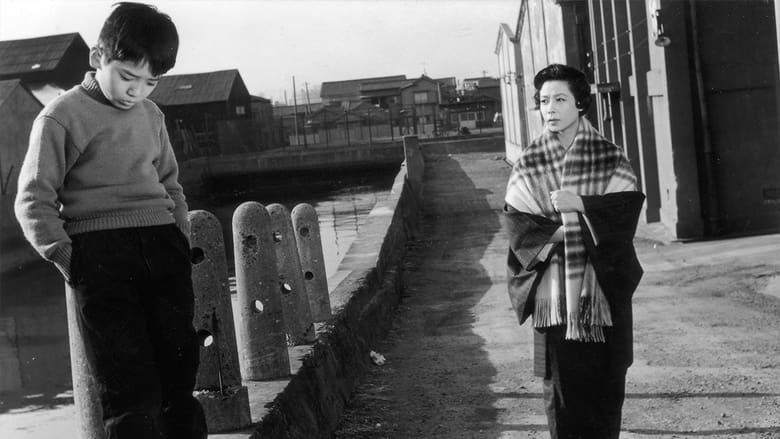
Image of a Mother
The young boy Michio struggles with the loss of his mother while his widowed father, Sadao remarries the kind-hearted Sonoko, who has a daughter of her own. As Michio clings to memories of his mother, the family navigates the challenges of grief, love, and new beginnings.
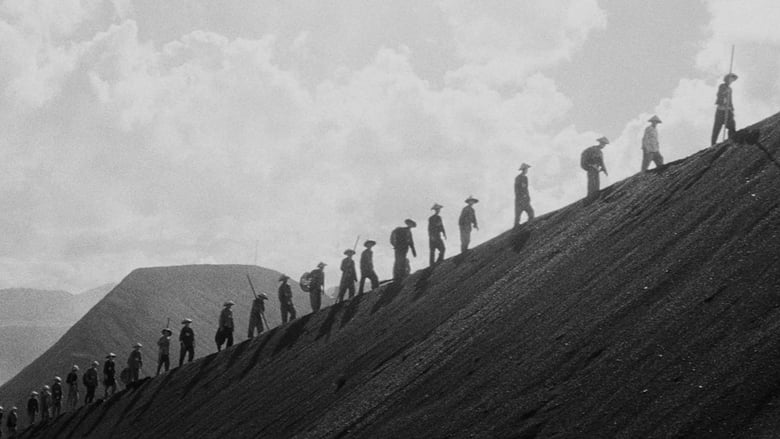
The Human Condition I: No Greater Love
After handing in a report on the treatment of Chinese colonial labor, Kaji is offered the post of labor chief at a large mining operation in Manchuria, which also grants him exemption from military service. He accepts, and moves to Manchuria with his newly-wed wife Michiko, but when he tries to put his ideas of more humane treatment into practice, he finds himself at odds with scheming officials, cruel foremen, and the military police.
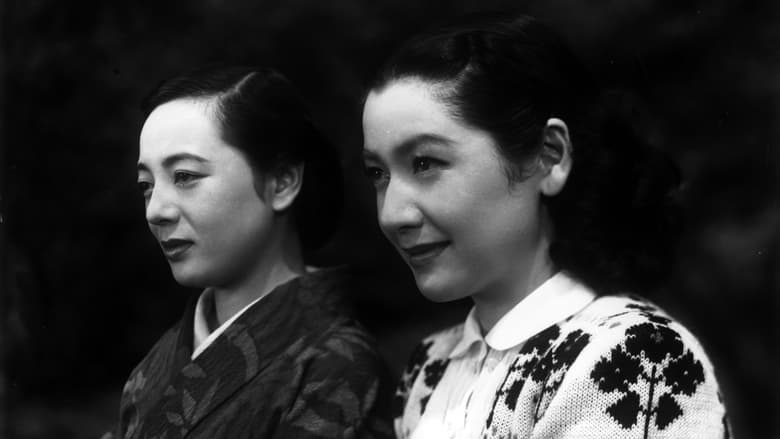
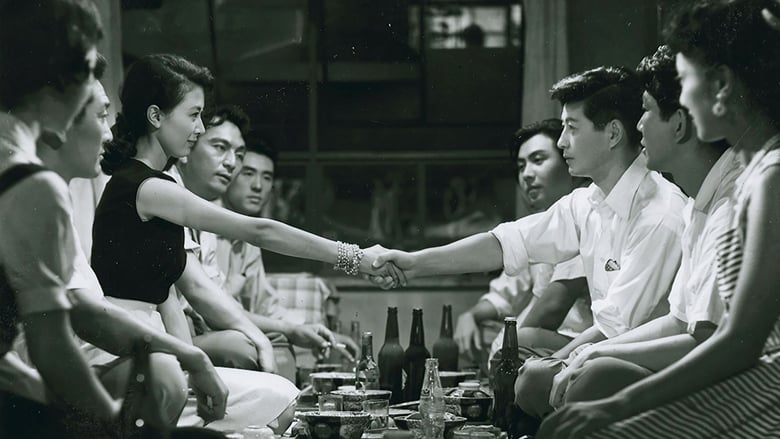
Early Summer
A 28-year-old single woman is pressured to marry.
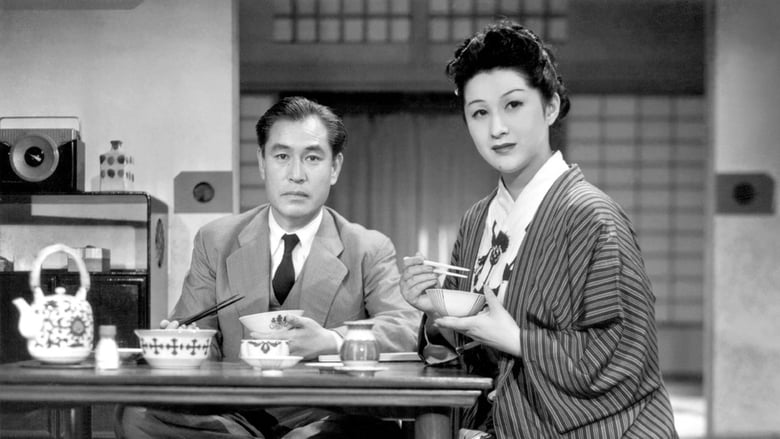
Early Spring
A young Tokyo salary man and his wife struggle within the confines of their passionless relationship while he has an extramarital affair.
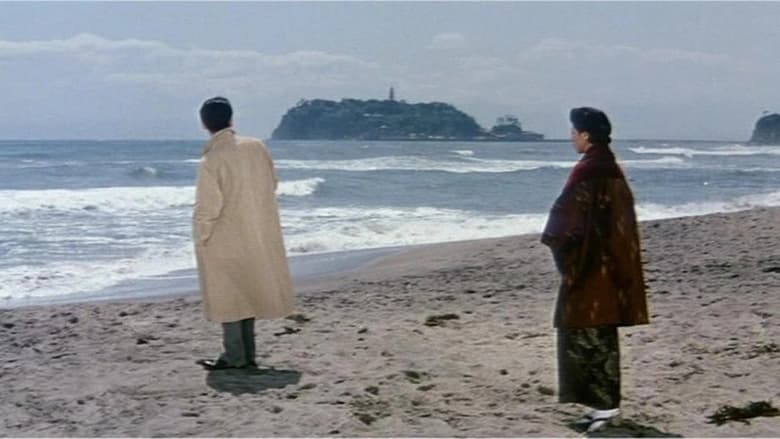
The Flavor of Green Tea Over Rice
The arranged marriage between a capricious woman from Tokyo high society and a quiet and rustic man is tested by a marital crisis.
Summer Clouds
A war widow with a young boy manages a farm with her bossy mother-in-law. When a reporter comes to interview her, the two begin an affair. He turns out to be married and won't leave his wife. Her older brother tries to marry off his children and hang on to/ extend his farm through an advantageous marriage in the face of threatened land confiscation and the desire of his children to get comfortable urban jobs instead of the backbreaking work in the paddy fields under parental control.
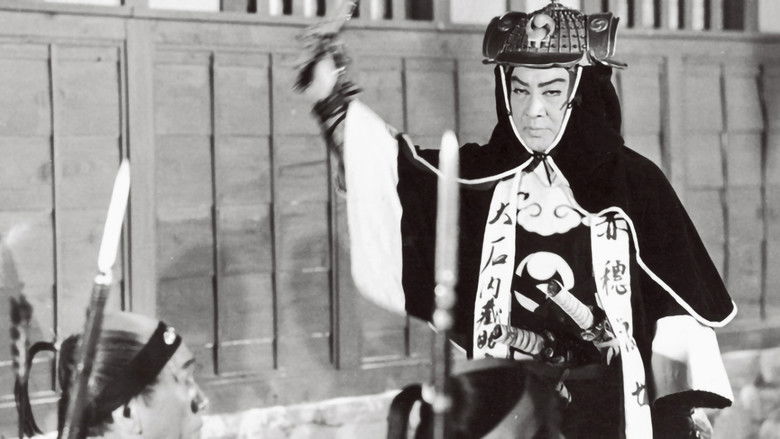
Akō Rōshi
"Ako Roshi" is a group of 47 former retainers of Lord Asano. Lord Asano was forced to commit suicide after attempting to kill Lord Kira. Once the retainers hear about their Lord's death, they sacrifice their lives to regain the honor of their former master.
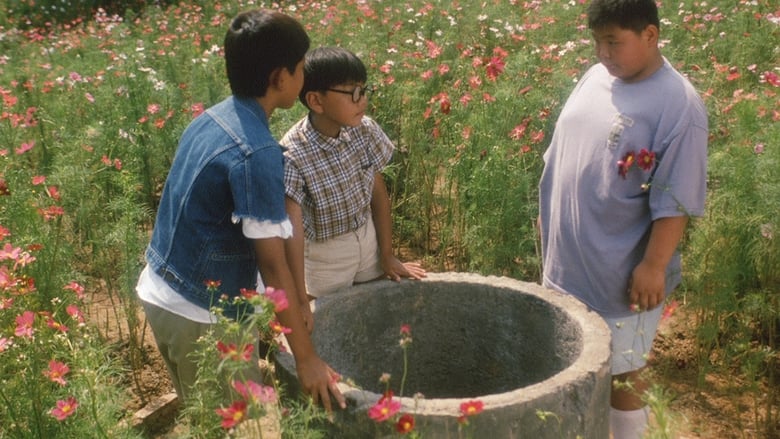
The Friends
A delightful and moving coming-of-age story. One summer, three young boys take an increasing interest in an eccentric old man who lives alone in a house surrounded by an overgrown garden. The boys form a bond with the recluse and set about weeding and replanting the garden.
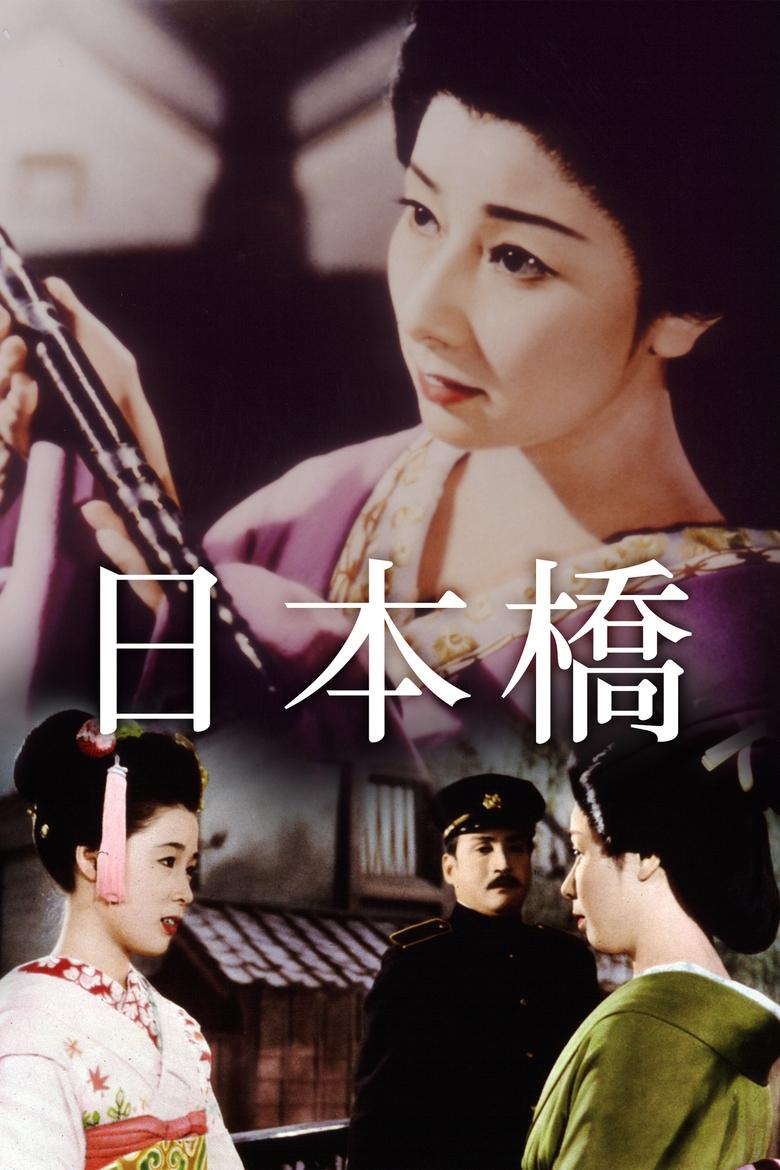
Bridge of Japan
Ichikawa's 1956 adaptation of Nihonbashi was the first to take the work of Kyoka Izumi— until then regarded as a writer of common tragic melodramas—and re-evaluate it as a tanbi-ha work of decadence, aestheticism, and intrigue. Ichikawa's film presents the tragic plot of the young geisha who is unable to enact her love for a man publicly in any way other than a histrionic story of torment, a heart-rending tale of lovers being crushed by fate. Instead, Ichikawa shows the contest of wills that transpires as two geisha, Oko and Kiyoha fight for the top spot in Nihonbashi, the pinnacle of the Tokyo geisha world. Nihonbashi is an elegant, if steely, exposition of manners. The young doctor, Shinzo Katsuragi, is the object of affection for both women, but appears to be more the choice reward for the plotting and thieving of these two early modern superwomen, than a lover they swoon over.
Filmography
as Shigeko Ichikawa
as 花岡ウメ
as Utako Ieiri
as Ryu Sakuma:
as 水川コウ
as Yayoi Koko
as Self
as Katsura's mother
as Banno Keiko
as Oren
as Kakie Goi
as Murayama Taka
as Yasuko Sugishita (Daisaku’s wife)
as Kikuno Katagiri
as Umeko the Madam
as Ofusa
as Nogami
as Tamayo Komatsubara
as Ayako Kouno
as Natsuo Narumi
as Maki
as Kitsuki
as Sakon Murayama
as Ogin
as Yukiko
as Sonoko Takada
as Taka Kawashima
as Tôfuku Kin
as Yoshino
as Yae
as Otatsu
as Omaki
as Riku Ôishi
as Tose
as Omaki
as Omaki
as Omaki
as Machiko Yoshida
as Hanae Hanamura
as Otaka Inaba
as Otoku
as Masako Sugiyama
as 絵島
as Choko
as Nobuko Miki
as お藤
as 芸者おりき
as 村山たか女
as Chidori
as 照世
as 八雲太夫
as Aya Amamiya
as Aya Tamura
as Itsuko