
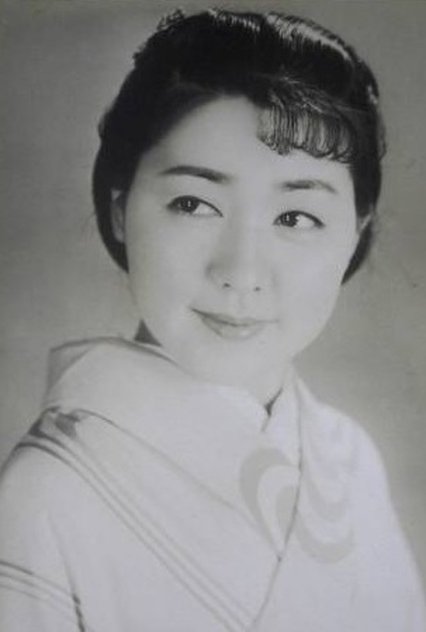
Chiyoko Ôkura
Acting
Biography
No biography available for Chiyoko Ôkura.
Born: August 31, 1915
Known For
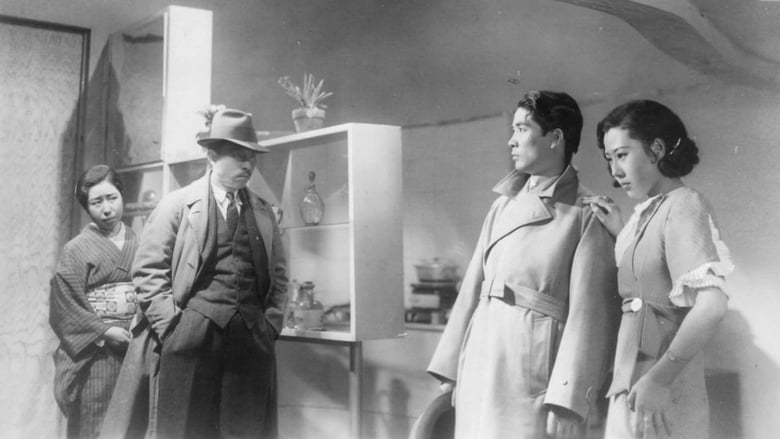
Osaka Elegy
Ayako becomes the mistress of her boss so she can pay her father's debt and prevent him from going to prison for embezzlement.
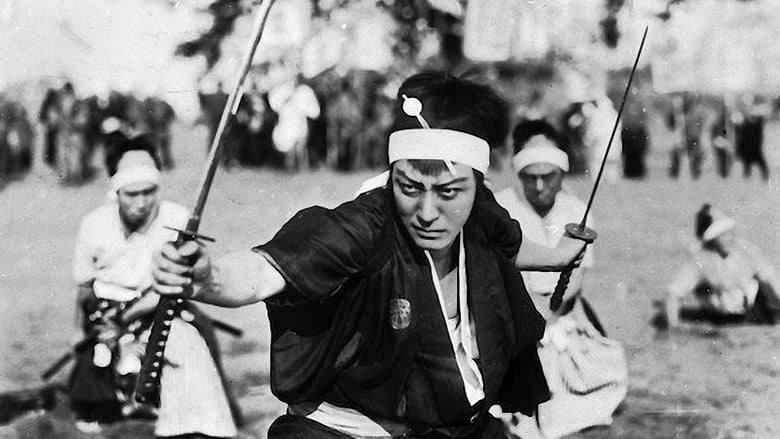
Blood Spilled at Takadanobaba
The tale of Nakayama Yasubei’s duel is famous, even if he in reality probably did not cut down 18 opponents. The story has been related in film, rakugo, kodan and on stage many times, in part because Nakayama later joined the famous 47 Ronin (Chushingura) as Horibe Yasubei. But Makino and Inagaki’s version gives no hint of this more serious future, playing up the thrills and the comedy with Bando’s bravura performance. The multiple pans of Yasubei running to the duel are an exemplar of the experimental flourishes of 1930s Japanese cinema and the final duel, performed virtually like a dance number, is a marker of Makino’s love of rhythm and one of the best sword fights in Japanese film history. The film was originally released under the title Chikemuri Takadanoba (Bloody Takadanobaba) with a length of 57 minutes, but suffered some cuts and a title change when it was re-released in 1952.
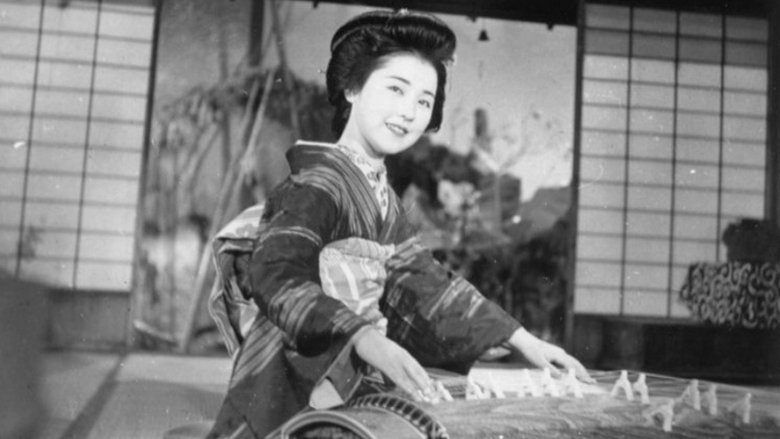
Poppy
Based on Soseki Natsume’s 1908 novel of the same title, Poppy is an ornately complicated story of desire and ambition. Fujio is beautiful, talented, well-heeled, and engaged to Munechika, a rising young diplomat. She has promised him a gold watch, a family heirloom, as an emblem of their engagement. But she falls in love with Ono, a student employed to tutor her in English, who is attracted by her beauty and wealth. Ono is himself bound by an engagement to Sayoko, the daughter of his mentor, Professor Inoue. The self-centered Fujio is ready to forsake everything for Ono, but he is prevailed upon to go ahead with his marriage to Sayoko. Fujio then offers the watch to Munechika who, perceiving Fujio’s true feelings, hurls the watch into the sea.
Bangaku no issho
Yamanaka Sadao's fourth feature film. The Life of Bangaku

Akagaki Genzo
Forty-seven Ronin of the Ako clan are waiting for the right moment to avenge the insult and death of their master. The film tells the story of one of them named Akagaki Genzo.
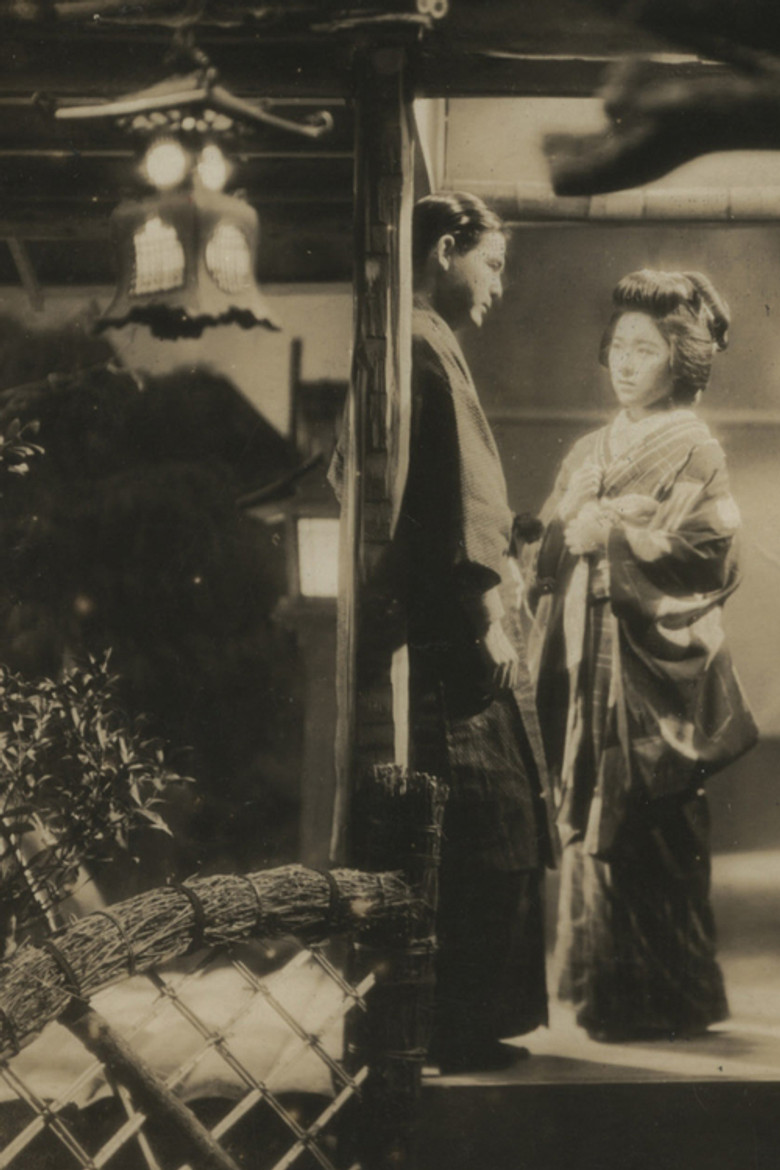
New Clothing
Japan's first feature film directed by a female. The film was about the naïve, premature emotions between a young geisha-to-be and a youth destined for Buddhist priesthood; it concluded with their separation.

Miyamoto Musashi - Dai-ichi-bu: Kusawake no hitobito - Dai-ni-bu: Eitatsu no mon
Second part of director Hiroshi Inagaki's 1940 adaptation of the story of Musashi Miyamoto.