
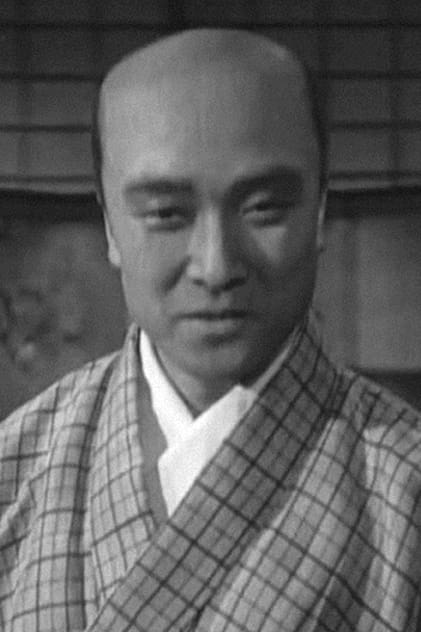
Chōjūrō Kawarasaki
Acting
Biography
No biography available for Chōjūrō Kawarasaki.
Born: December 13, 1902
Place of Birth: Tokyo, Japan
Known For
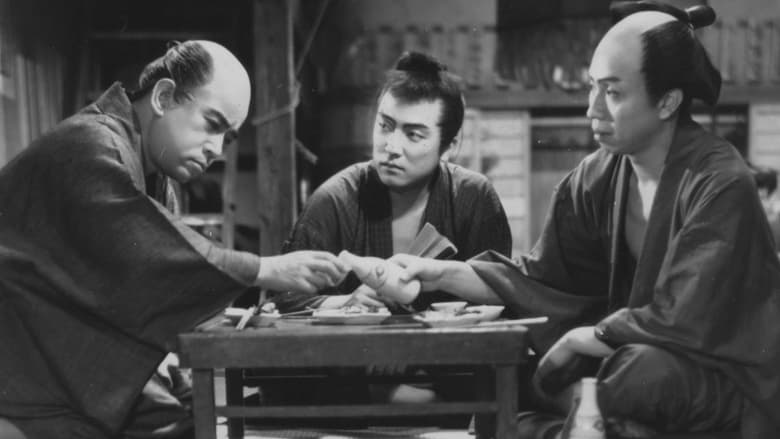
Humanity and Paper Balloons
In a slum in Edo Japan, a ronin hopes that his deceased father's former master will hire him while a disgraced hairdresser attempts to regain his pride by kidnapping the daughter of a wealthy pawnbroker, who is set to be married.
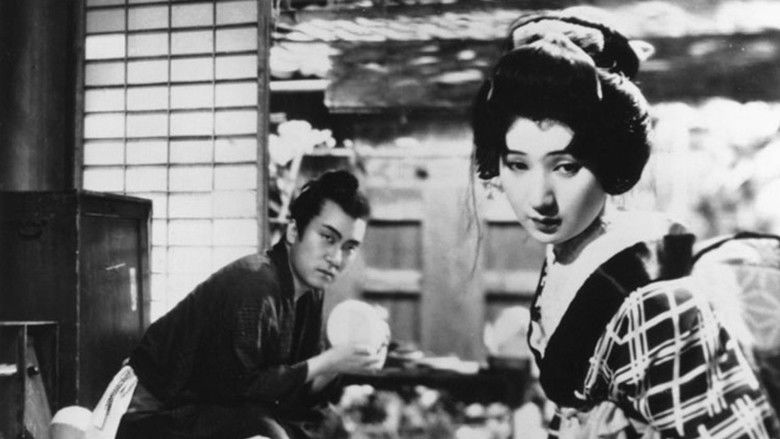
Priest of Darkness
A boy steals a knife from an old samurai, unaware of its value, setting off a strange chain of events.
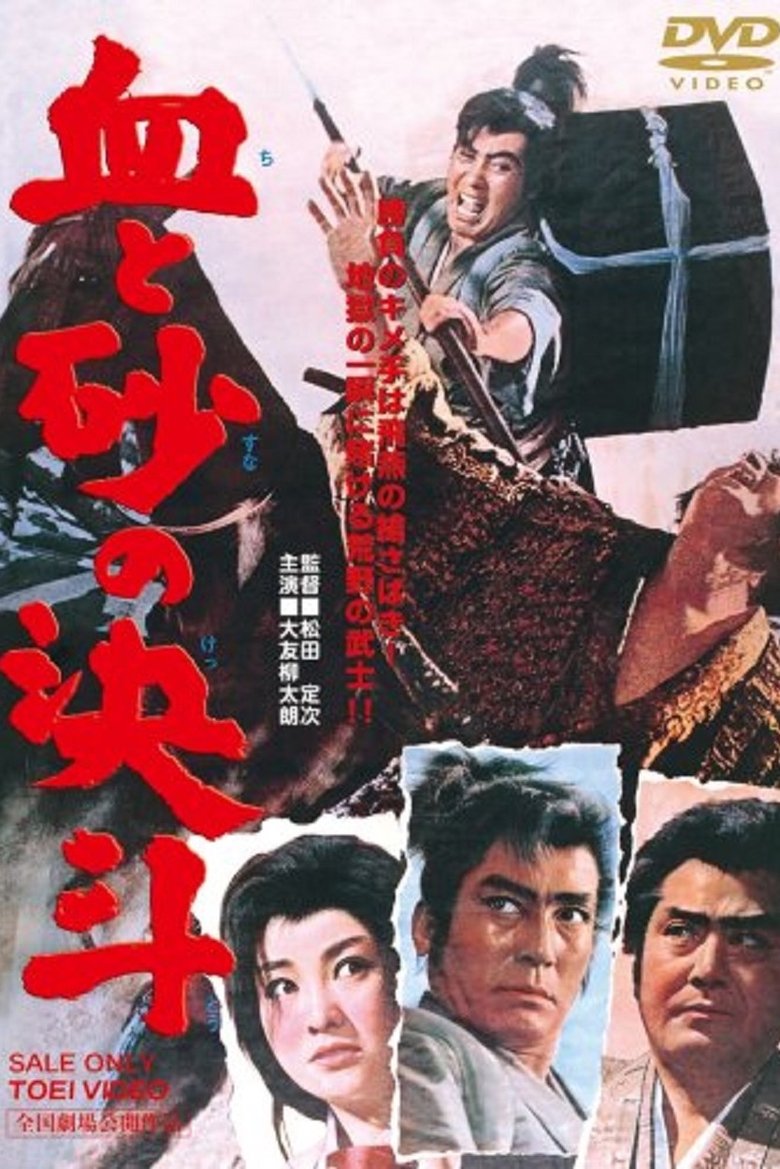
Duel of Blood and Sand
Frustrated with the bad behavior of his lord, Inaba Yajuro (Otomo) declares that he is leaving the clan and sets off on a journey that leads him into a small town besieged by a violent group of brigands. In a kind of homage to Kurosawa's 7 Samurai, the townspeople have been unable to defend themselves and Inaba sets out to teach them how to stand up for themselves. Meanwhile the vile Lord Yasumasa has sent the 4 finest swordsmen in the clan out to hunt Inaba down and kill him. Led by the magnificent Ichibei (Konoe), a master of weaponry in his own right, everything points to an ultimate showdown between the former friends in a battle to the death.
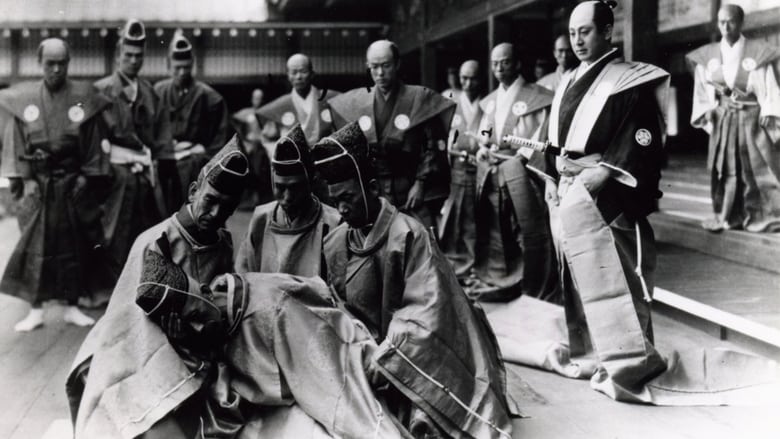
The 47 Ronin
In 1701, Lord Takuminokami Asano has a feud with Lord Kira and he tries to kill Kira in the corridors of the Shogun's palace. The Shogun sentences Lord Asano to commit suppuku and deprives the palace and lands from his clan, but does not punish Lord Kira. Lord Asano's vassals leave the land and his samurais become ronin and want to seek revenge against the dishonor of their Lord. But their leader Kuranosuke Oishi asks the Shogun to restore the Asano clan with his brother Daigaku Asano. One year later, the Shogun refuses his request and Oishi and forty-six ronin revenge their Lord.
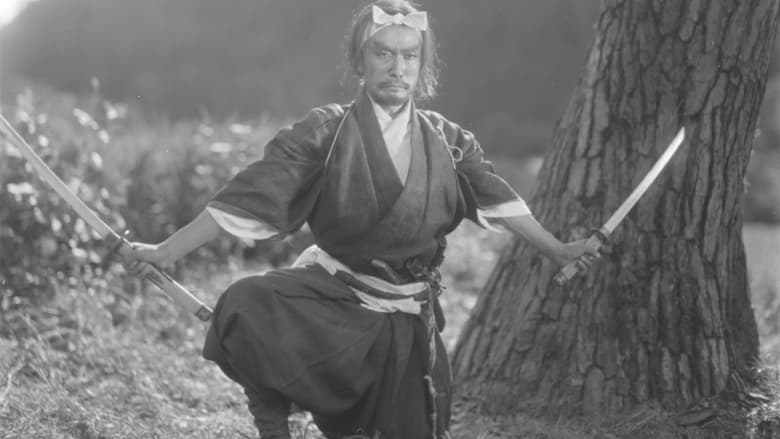
Miyamoto Musashi
The first of five Musashi series, Shinobu and her brother Genichiro plead with the famous swordsman Musashi Miyamoto to teach them swordsmanship to avenge their father's death. The killers of their father see the sister and brother practicing with Miyamoto, and so enlist the help of another powerful swordsman, Kojiro Sasaki, which gives Sasaki an excuse to battle Miyamoto.
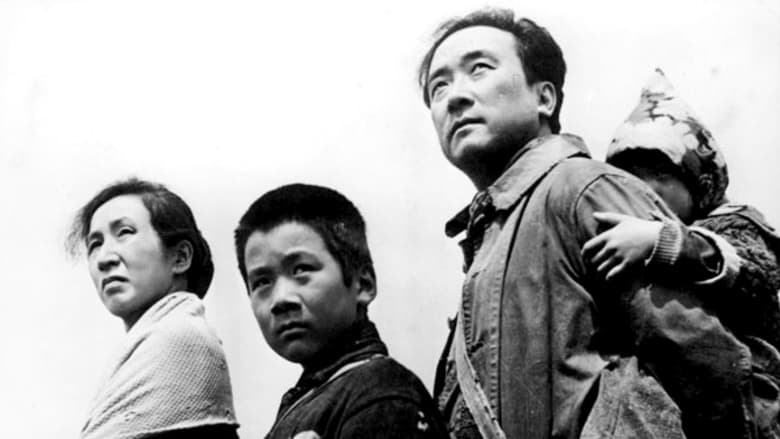
Still I Live On
About the struggles of day labourers to achieve dignity and a standard of living above the starvation level. Utilising the Zenshinza theatrical troupe.

Saga of the Vagabonds, Part Two: Forward at Dawn
Story of a bandit king part 2.
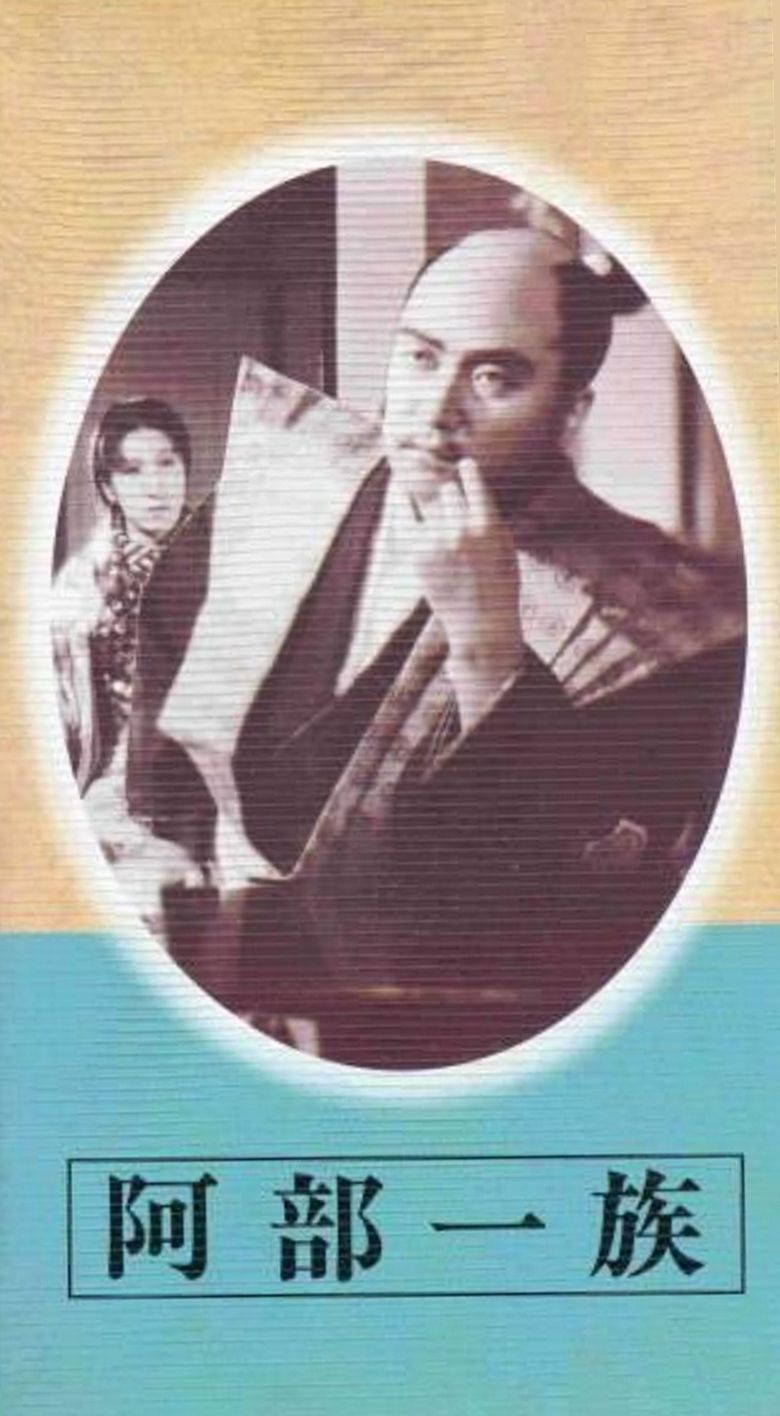
The Abe Clan
“19 vassals of Lord Hosokawa ask permission to commit harakiri with him, as a demonstration of their loyalty. Only Yaichiemon Abe is refused permission, forced instead into the vassalage of his lord’s successor. Humiliated and derided, Yaichiemon eventually commits harakiri without permission. His eldest son is then punished for Yaichiemon’s suicide, and when he resists, is sentenced to death. The entire Abe clan rebels upon the son’s execution, and the clan is annihilated.” --Alan Poul, Japan Society
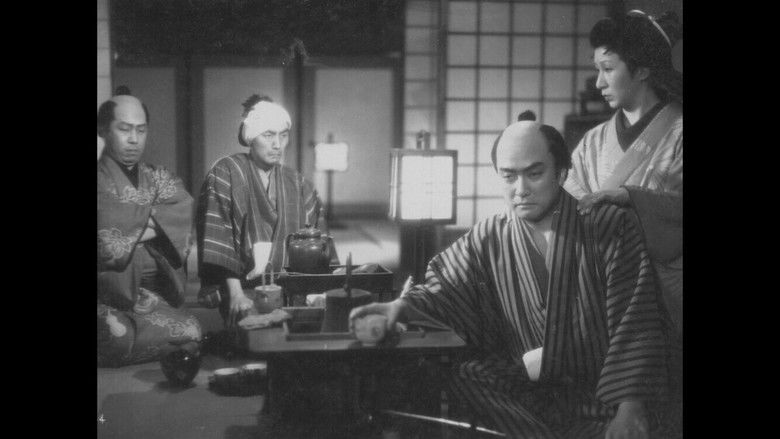
Banzuiin Chōbei
A jidaigeki film on Banzuiin Chōbei produced in 1940 and directed by Yasuki Chiba.
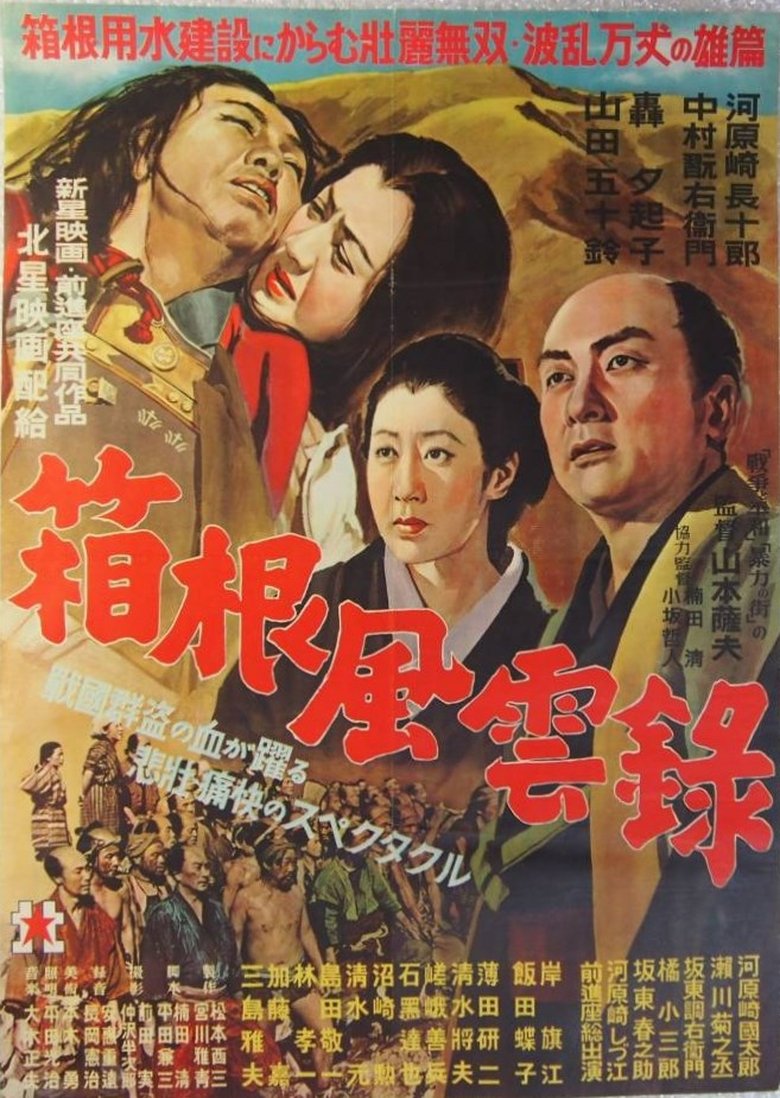
The Stand in Hakone
A period film about a peasant revolt in the region near Mount Fuji, occasioned by high officials' depriving the farmers of their water rights.
Filmography
as Sasuke
as Magistrate O'oka Echizen
as Shuzo Mori
as Musashi Miyamoto
as Kuranosuke Oishi
as Sentaro Takikawa
as Matajuro Emoto
as Matajuro Unno
as Toki Saemonnojō
as Kochiyama Soshun
as Iwakichi