

Conchita Montes
Acting
Biography
María de la Concepción Carro Alcaraz "Conchita Montes" (1914-1994) was a Spanish film actress. With a degree in Law, she dedicated herself to film at the hand of Edgar Neville, with whom she had a sentimental relationship that lasted 30 years until the director's death. In addition to film, Conchita acted in several plays, TV programmes, and series. Her performances in the film Life on a Thread (Neville, 1945), and the play The Dance (Neville, 1952) are particularly noteworthy.
Born: March 13, 1914
Place of Birth: Madrid, Spain
Known For

Roots
Four independent stories based on writer Francisco Rojas Gonzáles's work, depicting the reality of Mexican indian people: Las Vacas (The Cow), Nuestra Señora (Our Lady), El Tuerto (One-Eyed) and La Potranca (The Filly). In El Tuerto, a one eyed boy is relentlessly bullied by his mates. His religious mother asks God to make the boy's eyes equal. The outcome is tragic.
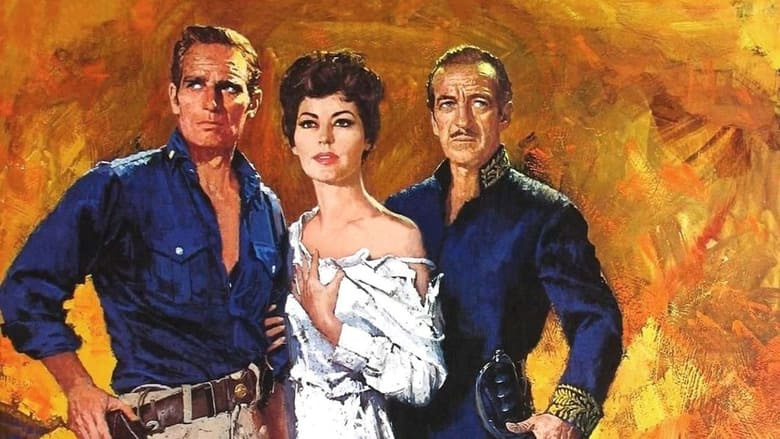
55 Days at Peking
Diplomats, soldiers and other representatives of a dozen nations fend off the siege of the International Compound in Peking during the 1900 Boxer Rebellion. The disparate interests unite for survival despite competing factions, overwhelming odds, delayed relief and tacit support of the Boxers by the Empress of China and her generals.
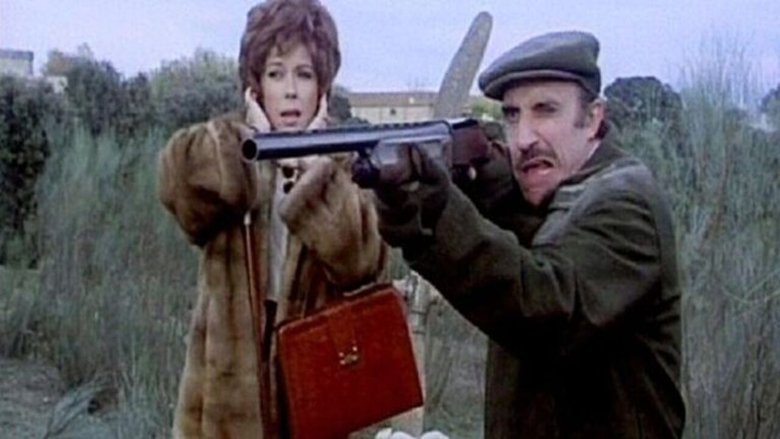
The National Shotgun
A catalan manufacturer of intercoms travels to Madrid, accompanied by his mistress, to attend a hunt that he has organized. Its main purpose is to mix with people of high society to improve their business. All seems well until the owner of the farm shows full authority over James, who is the real organizer of the meeting. The celebration is diverse characters who live next to absurd situations.
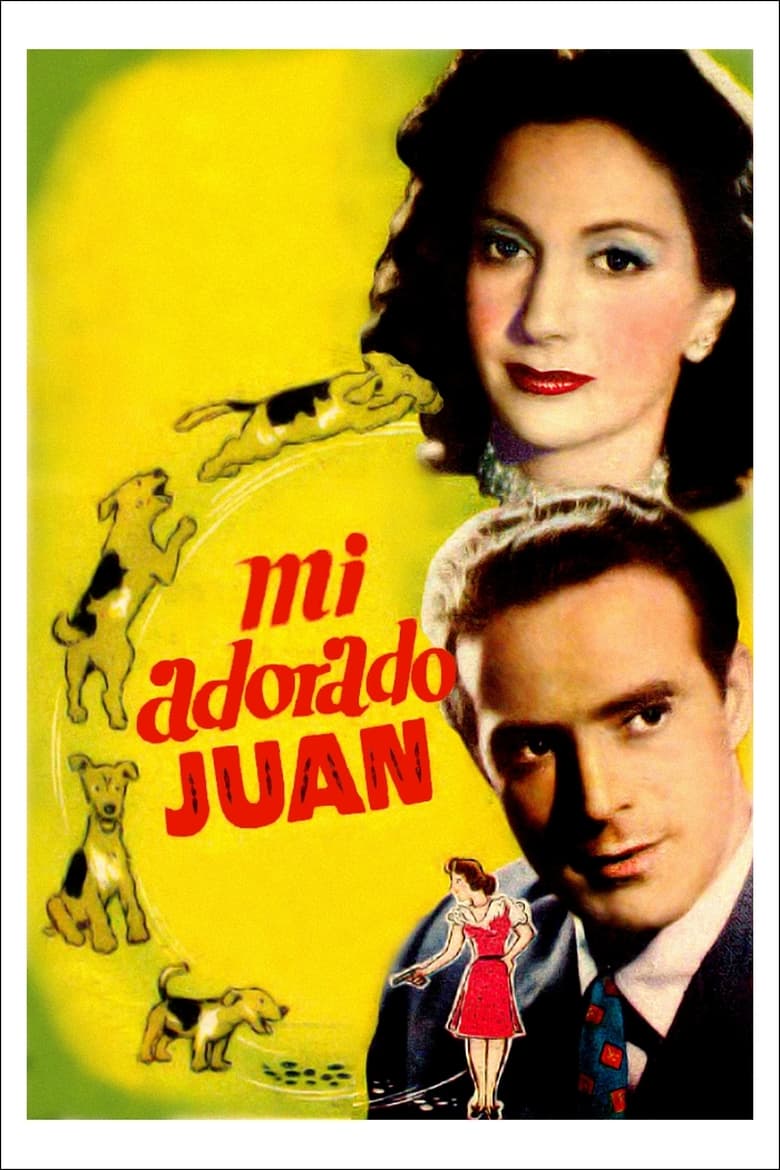
My Beloved Juan
The strange disappearance of the dogs of his neighbors leads Juan to investigate the case on his own. It ends up finding out that the author of the robberies is a young woman called Eloísa, the cocky daughter of a scientist who uses dogs to create an antidote against sleep. Juan and Eloísa fall in love, but he will ask her to leave her luxurious mansion to live only with his salary.
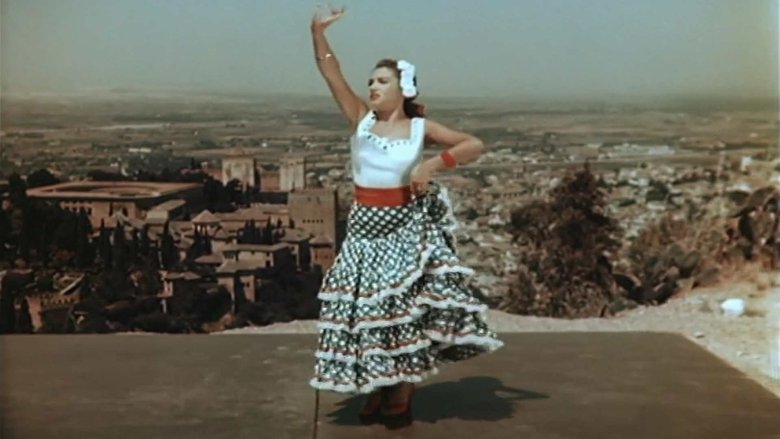
Flamenco
Title changed to "Flamenco" when it was first released in the USA in 1954, this is a program of Spanish songs and dances with the emphasis on "flamenco" or gypsy contributions. The USA version has an English narrative written by Walter Terry, the dance critic of the "New York Herald Tribune" newspaper. Heading the cast are Antonio (I), Pilar Lopez and Maria Luz, three of Spain's foremost dancers of the time, accompanied by members of the Ballet Espanol. Filmed in Cinefotocolor in which orange and blue dominated, a combination that should appeal to the fans of Auburn University athletic teams. Distributed in the USA by Martin J. Lewis.

Mi calle
Life events around a city street and its residents are told along the years while time goes by, wars break out and end and life evolves.
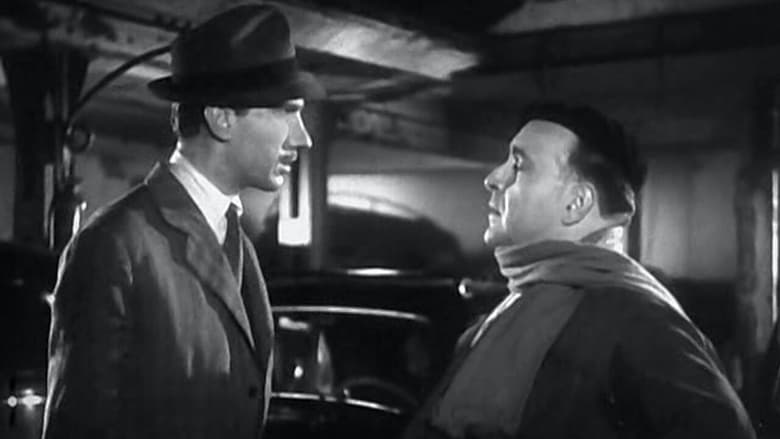
The Last Horse
Fernando has just finished the military service. It decides to buy Bucéfalo, the horse that has been his partner for this time and returns to Madrid removing with it to the animal. But everything has changed, the city already neither is the same and even he nor finds stables nor has time to attend to it. This way the things remedy will not have any more that to look for any solution.

Neville's Time
Documentary about the life of spanish director Edgar Neville.
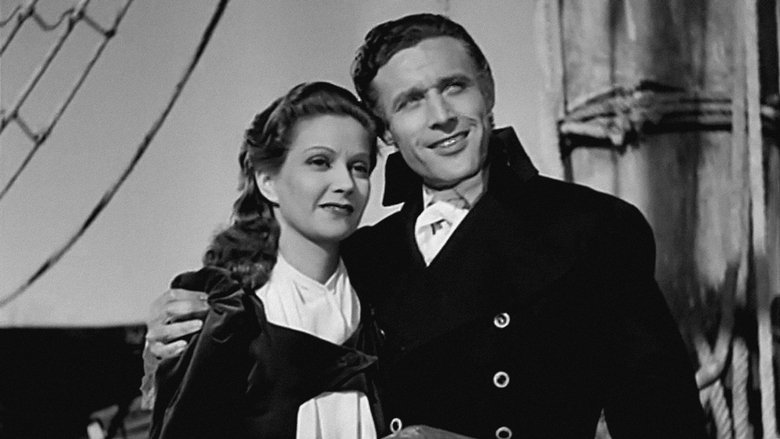
Correo de Indias
A Dutch sailing ship finds the wreckage of a Spanish mail ship, which has collided with an iceberg. Inside, the bodies of a man and a woman are found embraced.
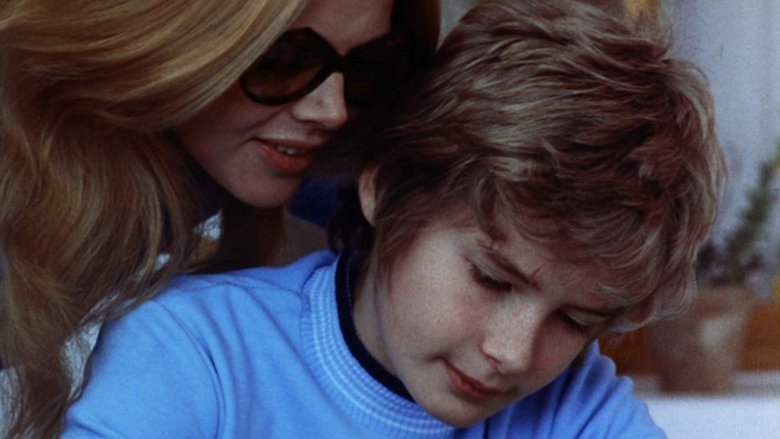
What the Peeper Saw
A wealthy author's second wife begins to suspect that her 12-year old stepson may have murdered his mother, who mysteriously died in a bathtub accident.
Filmography
as Herself
as Mary
as Eugenia de Montijo
as Soledad
as Condesa (uncredited)
as Sophie
as Mme Gaumaire
as Julia
as Adela
as The City Woman (segment "Las vacas")
as Eva
as Isabel, florista
as Eloisa
as María Buschenthal
as Andrea
as Nieves
as Mercedes
as Carmen
as Vera
as Nadia
as Carmen