
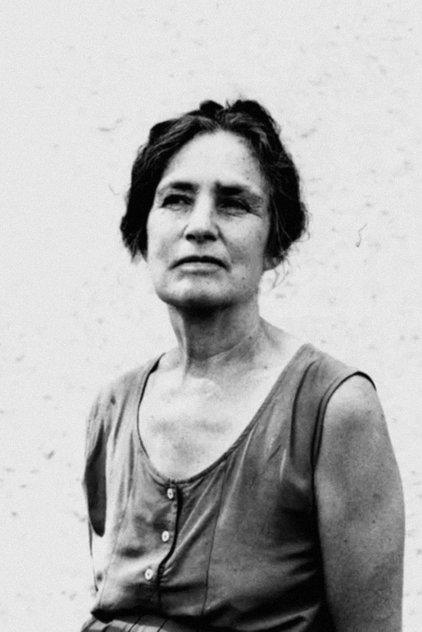
Danièle Huillet
Directing
Biography
Danièle Huillet was born on May 1, 1936 in Paris, France. She was a director and editor, known for Sicily! (1999), Class Relations (1984) and The Chronicle of Anna Magdalena Bach (1968). She was married to Jean-Marie Straub. She died on October 9, 2006 in Cholet, Maine-et-Loire, France.
Born: May 1, 1936
Place of Birth: Paris, France
Known For
Fragments of Conversations with Jean-Luc Godard
In his meetings with various different people, Jean-Luc Godard develops his thinking about history, politics, the cinema, images and time, and this will lead to his exhibition as an artist at the Pompidou Centre. Jean-Luc Godard’s conversations with Dominique Païni, Jean Narboni, André S. Labarthe, Jean-Marie Straub, Danielle Huillet and Christophe Kantcheff were filmed at his home in Rolle, in his study, at the Fresnoy National Studio for the Contemporary Arts (in front of students) and in the exhibition rooms of the Pompidou Centre.
Where Does Your Hidden Smile Lie?
Undaunted by a commission to make a film about his mentors and aesthetic exemplars, the filmmaking team of Jean-Marie Straub and Danièle Huillet, Costa records with great sensitivity and insight the exacting process by which the two re-edit their film Sicilia!, discussing and arguing over each cut and its effect. Incorporating comments about the influence of figures as diverse as Chaplin and Eisenstein, about the ethical and aesthetic implications of film technique and such matters as rhythm, sound mixing, and acting. The film becomes a tour de force, immersing us in the mysteries of cinema as practiced by some of its greatest creators. Costa calls the film both his first comedy and his first love story.
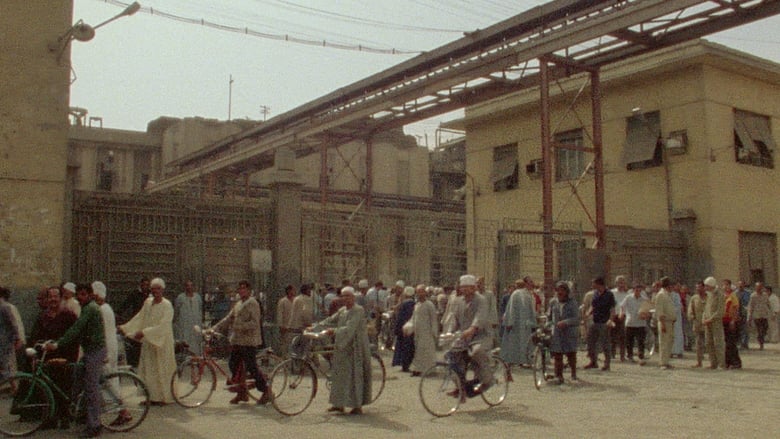
Too Early / Too Late
Inspired by a letter by Friedrich Engels and a 1974 account of two militant Marxist writers who had been imprisoned by the Nasser regime, Straub-Huillet filmed this film in France and Egypt during 1980. They reflect on Egypt’s history of peasant struggle and liberation from Western colonization, and link it to class tensions in France shortly before the Revolution of 1789, quoting texts by Engels as well as the pioneering nonfiction film Workers Leaving the Lumière Factory (1895).
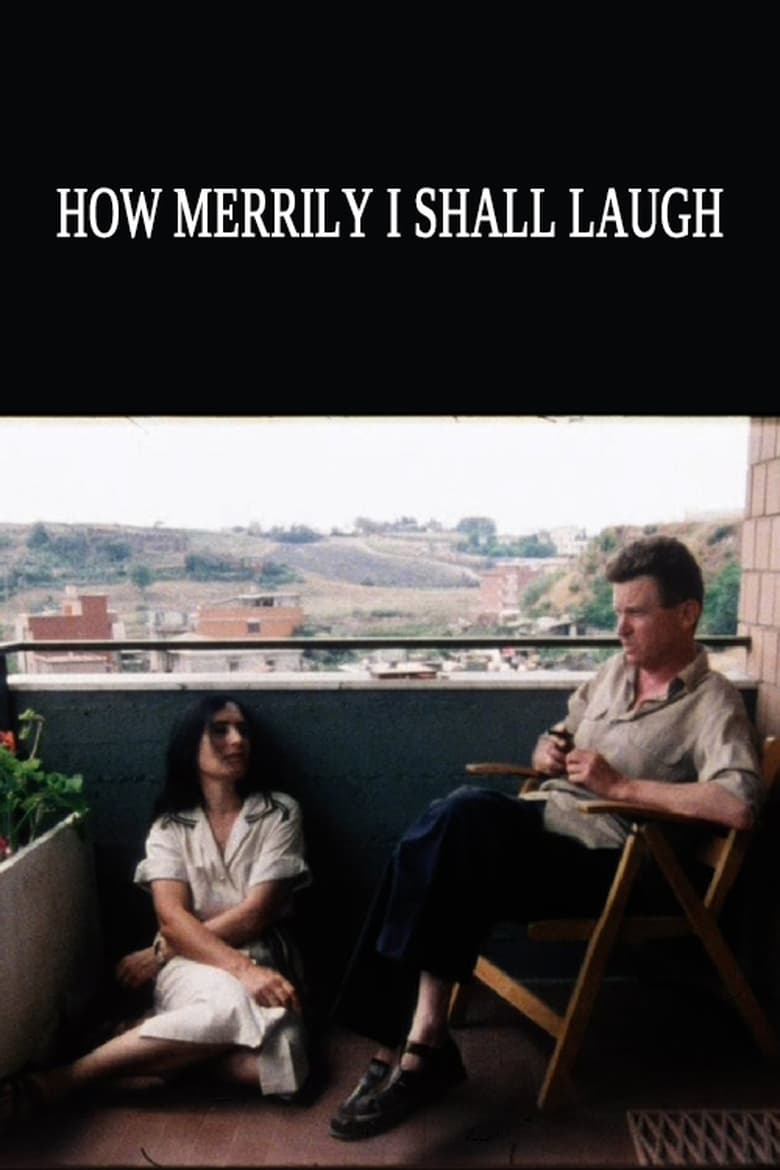
How Merrily I Shall Laugh: Danièle Huillet and Jean-Marie Straub on Their Film Class Relations
Filmmaker Manfred Blank (director of the excellent Pharos of Chaos) interviews Danièle Huillet and Jean-Marie Straub at some length about their then-current production, Klassenverhältnisse (Class Relations), in which he, himself, performed as an actor.
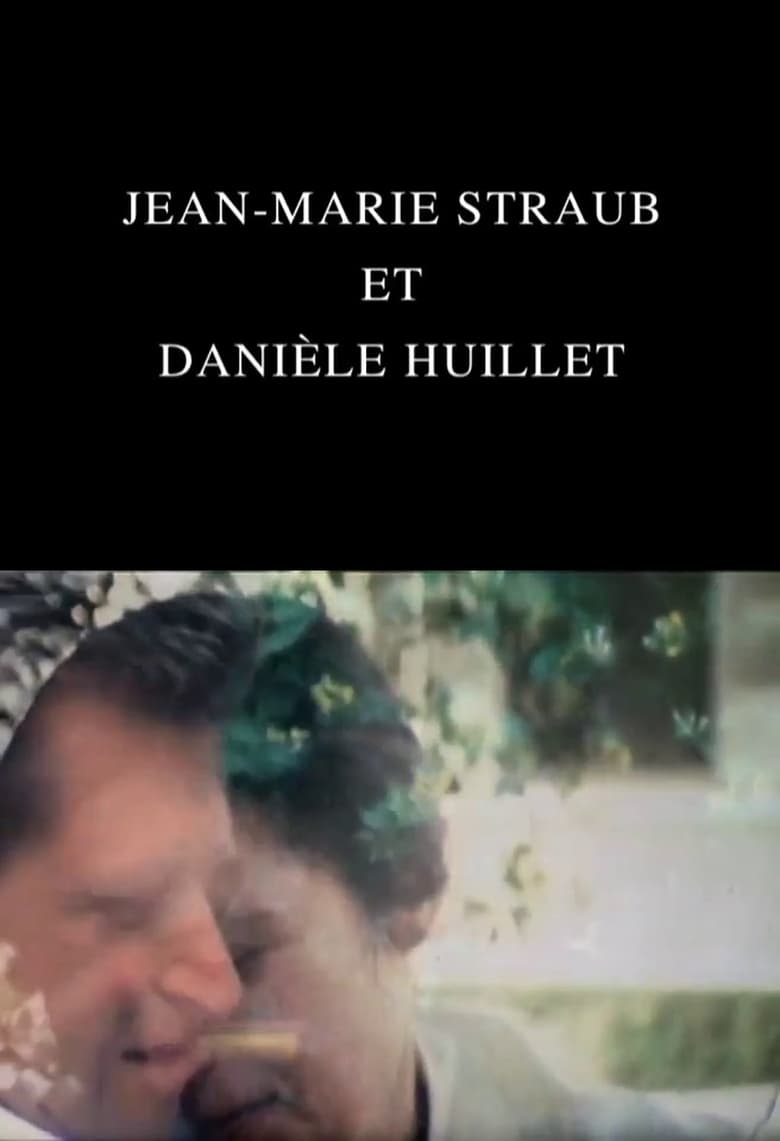
Jean-Marie Straub and Danièle Huillet
"Jean-Marie Straub and Danièle Huillet" is the overlay of two Cinematons by Gérard Courant with Jean-Marie Straub and Danièle Huillet: "Jean-Marie Straub, Cinématon number 342" and "Danièle Huillet, Cinematon number 343," filmed on May 27, 1984.
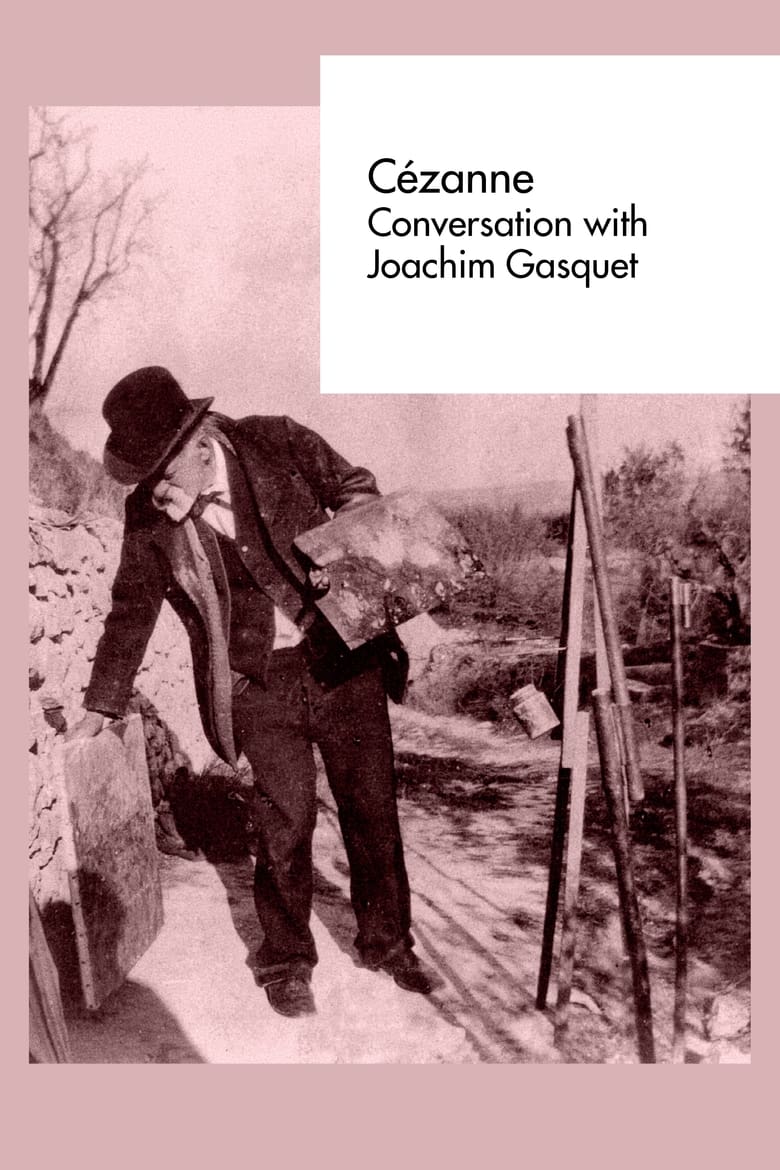
Cézanne: Conversation with Joachim Gasquet
A landmark work of symbolistic imagery. The words that the filmmakers speak offscreen are imaginary conversation with Cézanne quoted from a critique by Joachim Gasquet. An exchange of memories spanning over 250 years interweaves everything from the philosophy of Empedocles to excerpts from the film Madame Bovary, to extant paintings by Cézanne, to the buildings of the artists’ village at Mont Sainte-Victoire. —ntticc.or.jp
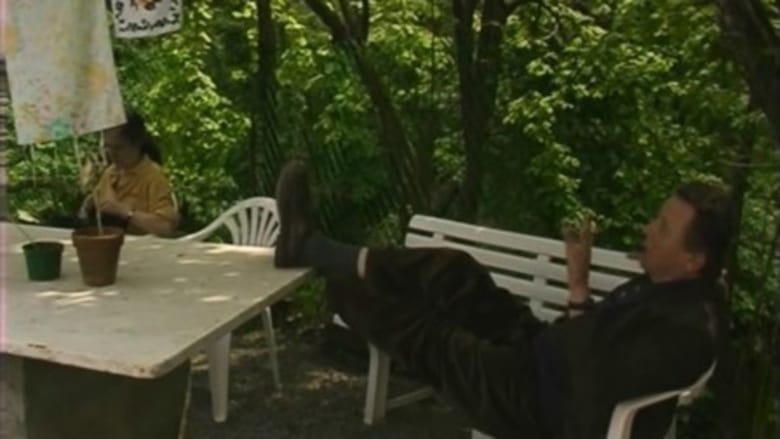
6 Bagatelas
Six unused scenes from Where Does Your Hidden Smile Lie? One of the more priceless of the “bagatelles” in this collection features a lounging Jean-Marie Straub who gives a non-stop disquisition on liberty and filmmaking while Danièle Huillet busies herself with laundry, and their dog Melchior frisks in and out of frame. —Cinematheque Ontario

Jean-Marie Straub and Danièle Huillet at Work on a Film Based on Franz Kafka’s Amerika
This film is at once a self-portrait and an homage to Jean-Marie Straub, Farocki's role model and former teacher at the Film Academy.
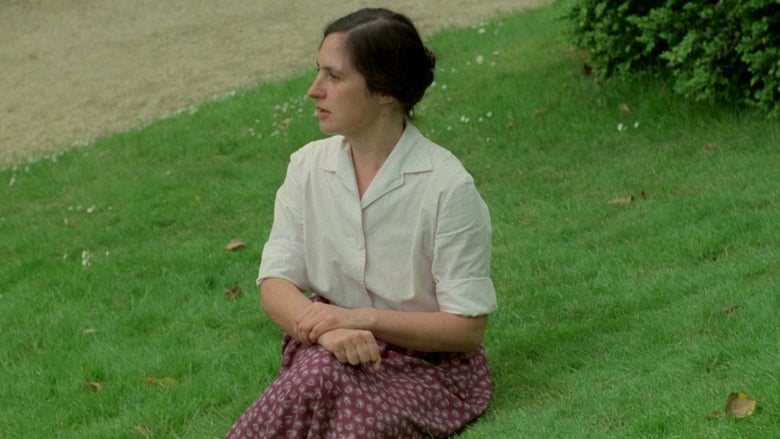
Every Revolution Is a Throw of the Dice
A tribute to Mallarmé that not only asserts the continuing relevance of his work but also confronts its literary ambiguities with political and cinematic ambiguities of its own. In outline, the film could not be more straightforward: it offers a recitation of one of Mallarmé’s most celebrated and complex poems (it was his last published work in his own lifetime, appearing in 1897, a year before his death) and proposes a cinematic equivalent for the author’s original experiment with typography and layout by assigning the words to nine different speakers, separating each speaker from the other as she or he speaks, and using slight pauses to correspond with white spaces on the original page.
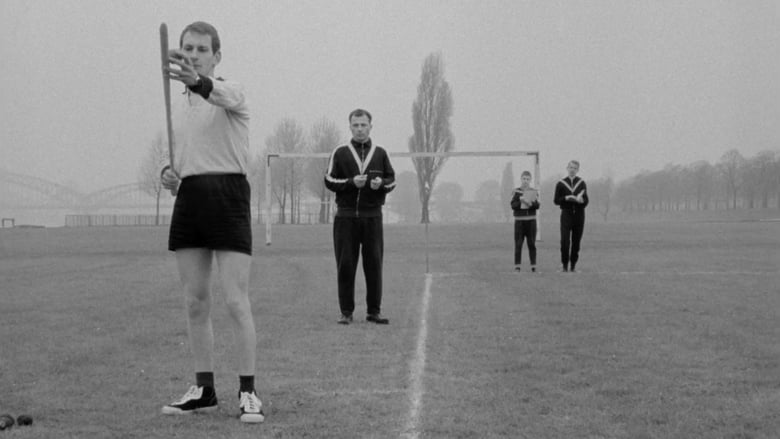
Not Reconciled
A story about the continuity and collapse of history, the power of suppression, and the terror of reconciliation; loyalty, treason and revenge. In a brave cinematic game, Heinrich Böll’s story Billiards at Half-Past Nine is split up into cracks, blocks, breaks and sudden turns, as the life story of a German family, covering numerous generations, is propelled forward.
Filmography
as Himself
as Herself
as La femme
as Herself
as Herself
as Paul Cézanne (voice) [uncredited]
as La femme (uncredited)
as Narrator (segment A) (voice)
as N°343
as (Re)citer
as Young Johanna Fähmel