
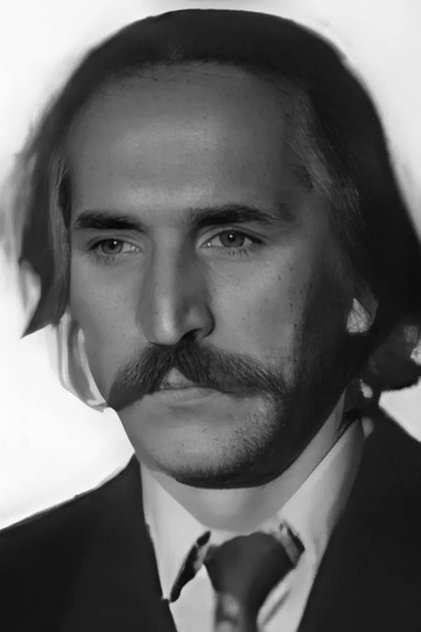
Djoko Rosic
Acting
Biography
Bulgarian actor of Serbian descent. Father is Serbian and mother is Bulgarian. Actively starred in Hungarian cinema. At the age of 19 (1951) he emigrated to Bulgaria for political reasons. In 1957 he graduated from the University of National and World Economy in Sofia. For 17 years he worked as a journalist for the Bulgarian National Radio. In 1962 he made his debut in Bulgarian cinema. Since then, he has acted in more than 110 films, mostly in Bulgaria, and since 1975 in films by Hungarian and Yugoslav filmmakers.
Born: February 28, 1932
Place of Birth: Krupanj, Serbia, Yugoslavia
Known For

There Is No Death
The new supervisor Vasil arrives at the construction site of a dam. Vasil has problems with his men, who mistrust him and reluctantly submit to his perfectionism. He becomes involved with the refreshment bar attendant Lilyana. Vasil, who always wanted children, cannot abandon his childless wife and breaks with Lilyana. When four workers are buried in a tunnel landslide, Vasil makes his way to them and manages to drag them all out, except for Zlatan, a spiteful egocentric, whose legs are caught under a fallen prop. Zlatan begs Vasil to save him, even if it means cutting of his legs. To release the miner's legs Vasil cuts the prop, which is also supporting the roof of the tunnel. Zlatan is rescued. However, Vasil is killed. Since then, the workers say his steps can be heard bellow the dam wall.
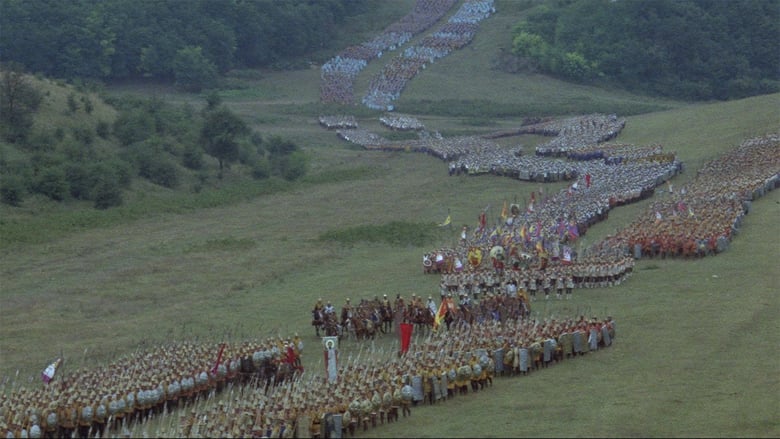
Khan Asparukh - Part III - Land Forever
The last part of the epic "Khan Asparukh" - "Land Forever" is an impressive finish to scale narrative, created for the nationwide celebration of 13 century anniversary of the Bulgarian state. The authors collected in final chord all storylines, culminating in the political strengthening of the young Bulgarian state. In the center of the film epic again is the image of Khan Asparukh - a lofty romantic hero who embodies the virtues and energy of his people.
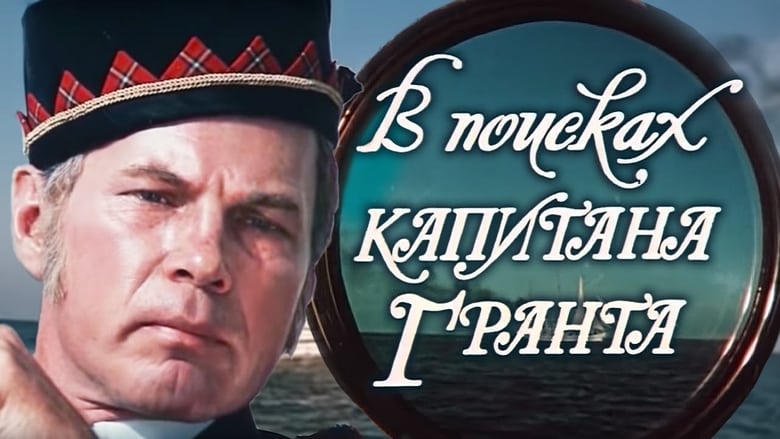
In Search of Captain Grant
Lord and Lady Glenarvan found a bottle in the ocean. This bottle contained a letter from Captain Grant that he and two of his sailors had survived a disaster at sea and need help. Unfortunately, the letter was damaged by water, and the latitude is known (37 degrees), but not the longitude. The Glenarvans decide to find Captain Grant.
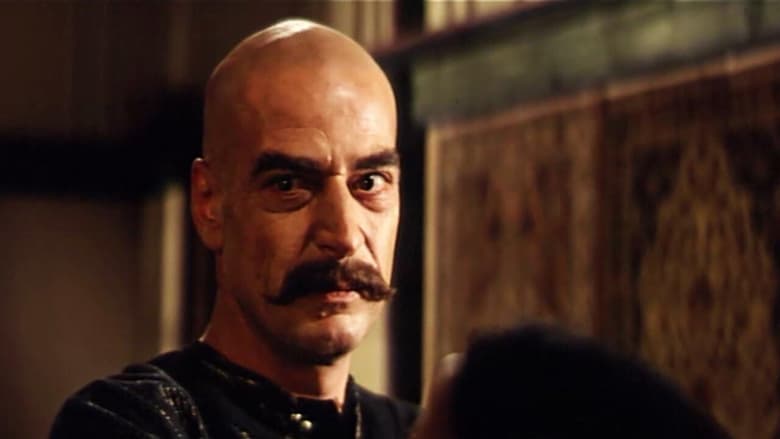
Time of Violence
In the 17th century, a Bulgarian Christian region is selected by the Ottoman rulers to serve as an example of conversion to Islam. A Janissary who was kidnapped from the village as a boy is sent to force the reluctant inhabitants to convert. The Turkish governor seeks a peaceful solution, but ultimately torture, violence, and rebellion break out.
Khan Asparukh - Part II - The Migration
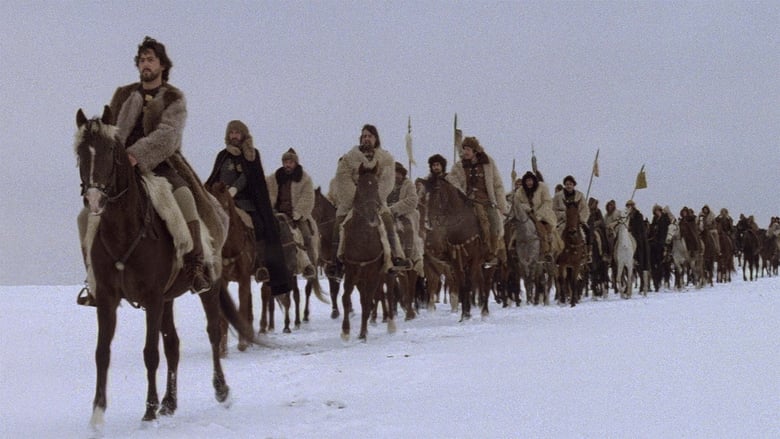
This is an epic screen presentation showing the creation, the consolidation and the power of First Bulgarian Kingdom and the first Bulgarian ruler Khan Asparuh. The second part of the great historical epic - "The Migration" - tells about the long journey to the land of the Bulgarians of today's Bulgaria. Here the young Khan Asparukh laid the foundations of the new state. The authors adhere to the established historical versions for this event. The film builds on the impressive mass scenes and the convincing served psychological characteristics of the main characters. The image of Asparoukh is a natural center of the story, in which many minor persons recreate the environment of the Khan. Romantic exalted, Asparukh is shown as capable leader of the people, consistently implement his own ideas.

Passion
A woman and her lover plot to kill her older husband.
Hungarian Dracula
Aesop
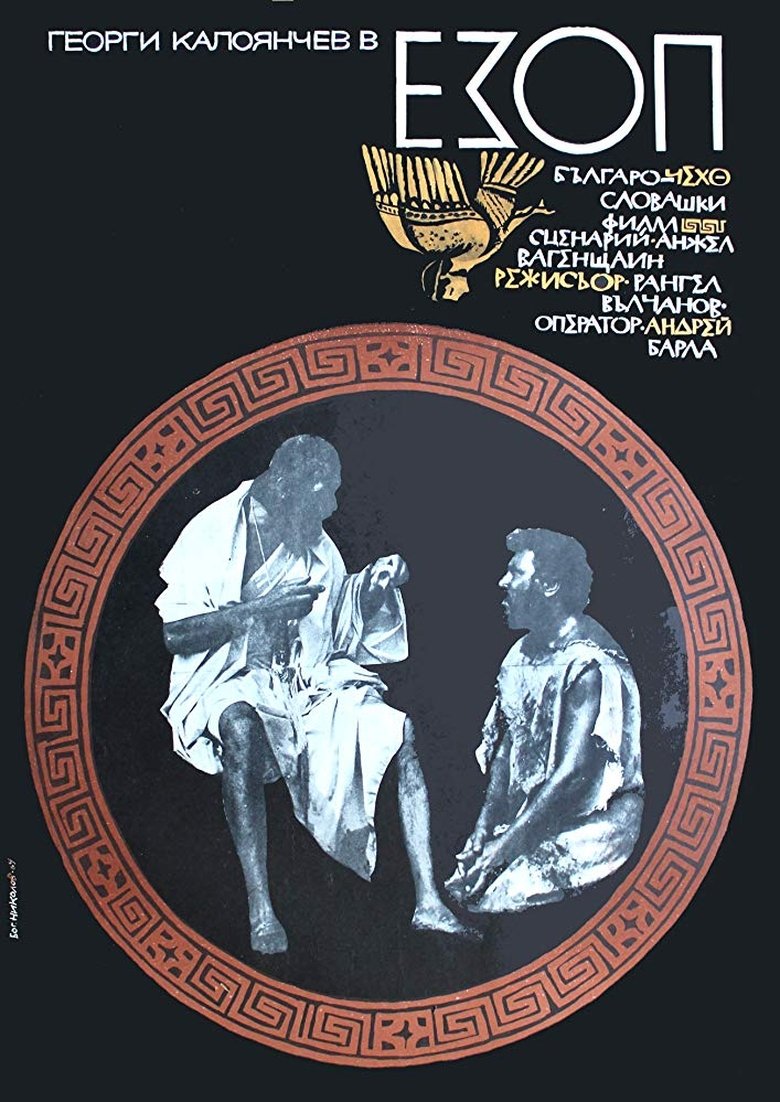
This film brings us back to show us the life of the famous ancient sage Aesop, who helped people with his wisdom in their struggle for freedom and happiness.
The Wind Is Whistling Under Their Feet
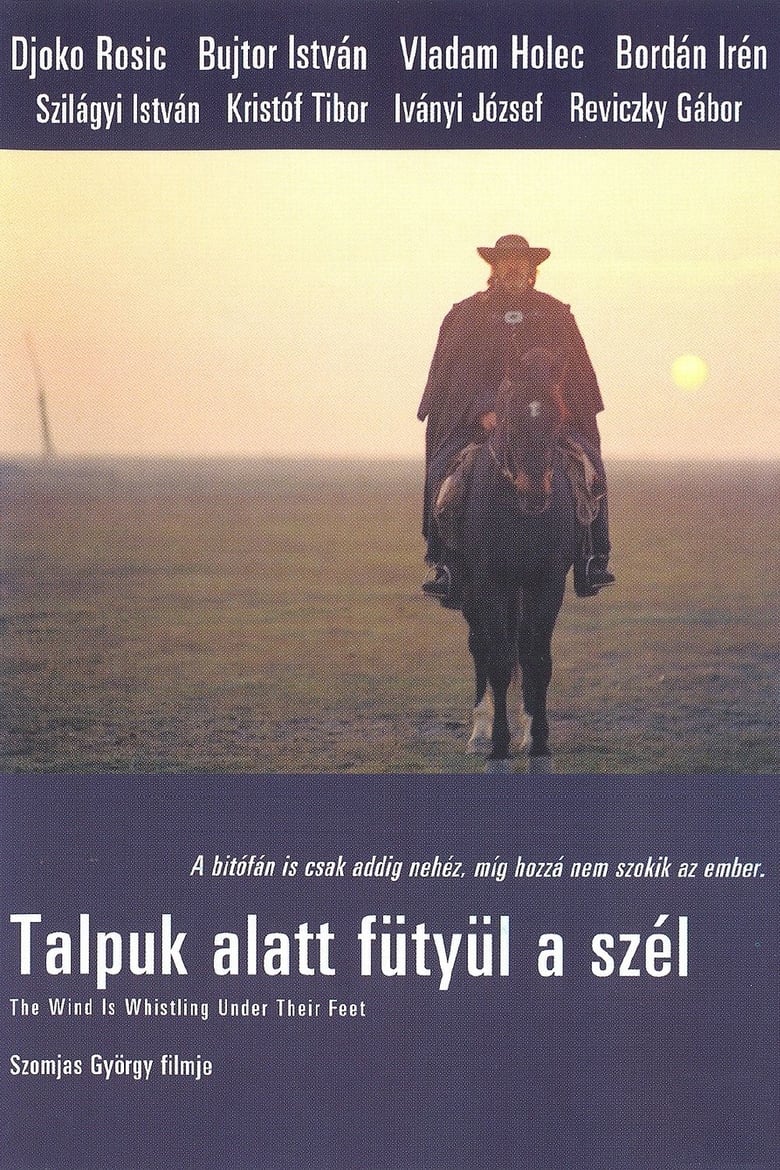
György Szomjas’s first feature—made after a decade of short documentaries—is a bold attempt at a goulash western, set on the puszta, or Great Hungarian Plain, in 1837. Mixing Miklós Jancsó imagery and a Sergio Leone narrative, this ballad-like saga opens with image of a lone horseman on the empty plain, riding past a rude gallows. The film concerns the vengeful return of a legendary betyár (outlaw), briefly a hero to the local herdsmen who oppose the state building a canal across their grazing land. Although Szomjas works from ethnographic records and archival material, it is hardly surprising that this violent, primitivist film would be more popular with Hungarian audiences than critics. Replete with young guns, crooked sheriffs, tavern brawlers and hardbitten plug-uglies, this widescreen film is strikingly shot by Elémer Ragályi (cinematographer for most of Gyula Gazdag’s films)—a feast of loamy, autumnal colors.
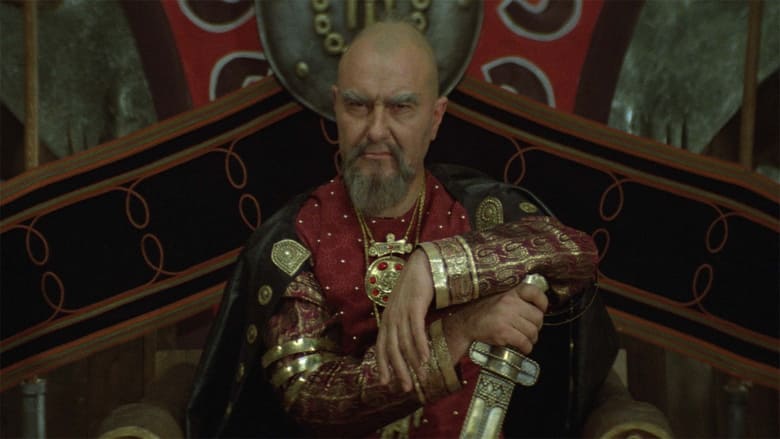
Khan Asparukh - Part I - Phanagoria
This is an epic screen presentation showing the creation, the consolidation and the power of First Bulgarian Kingdom and the first Bulgarian ruler Khan Asparuh. This is the first part of the film trilogy about the events before the creation of the Bulgarian state in the middle of the VII century. Volga Bulgaria is straining under the attacks of the Khazars. Following the testament of his father, the sons of Khan Kubrat looking for a new home for their tribes. The youngest of them - Asparukh, wander 20 years in search of "land forever" for his people and reaches the mouth of the Danube. The film is narrated by captured Byzantine chronicler Belisarius, which should Asparukh in his journeys. Byzantine witnessed the heroic efforts of the Bulgarians to win the land south of the Danube and to create their new country.
Filmography
as Iren's father
as Feri bácsi
as Priest
as Dezső úr
as Elder Berber
as Кръчмар
as Grandpa
as Gustav
as The husband
as Mr. Daniel
as Rakshia
as Kauboyat
as Karahasan
as Csungi
as Ayrton
as Landolfi
as The Icherguboil
as The Icherguboil
as The Icherguboil
as Chitanugata
as Miklós, Barbara férje
as Hegyessy
as Nestor
as José
as István Hajnóczi
as Farkos Csapó Gyurka
as вуйчо Ваньо
as the cousin
as Kresos Envoy
as Petar
as Georgi Dochkin
as Zlatan
as Lord Lennox